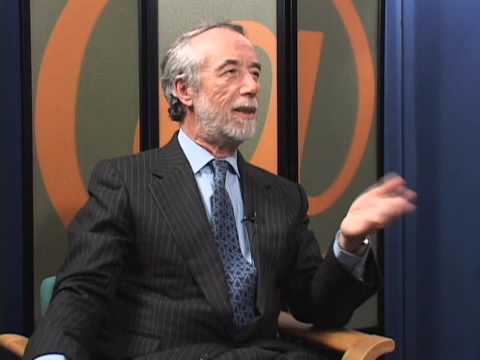
Managing in Turbulent Times: BCG and Knowledge@Wharton
Ask about Knowledge at Wharton
Episode Description
Part 3: Managing in Turbulent Times: A downturn can be profoundly unsettling, especially when it involves cost-cutting, ownership changes, layoffs or bankruptcy. Business can suffer when people are emotionally distracted by feelings of uncertainty, grief, guilt and anger. In this special video report, experts from Wharton and The Boston Consulting Group outline five actions that managers can take to minimize declines in productivity and stimulate confidence in the future and company leadership. Managers who learn how to listen, inspire trust and maintain morale can help their companies thrive in the downturn and beyond.
Read the full transcriptHide the full transcript
- for most employees the current downturn is profoundly unsettling especially when
- it involves cost cutting ownership changes layoffs or bankruptcy the emotional toll of
- uncertainty grief guilt and anger can create major distress when people are emotionally
- distracted business can suffer at the worst possible time here are five ways to support your people minimize declines
- in productivity and build confidence in company leadership and the future first communicate
- openly biggest thing to do in a downturn is Don't Panic your people and the way you panic them is by not telling them
- what's going on so the most important thing to do is is to tell them where things are even if they're bad uh if you
- don't tell them they make up an answer and the answer they're going to make up is worse than the truth so the most
- important thing is to keep them informed as to what you know and if you don't know what's going on tell them that how
- your people see you see you as being at a point in time particularly around a critical decision or a critical
- announcement will go a long way to how they respond so thinking through how you as a leader convey a clear message
- convey as much as you can Accord with the values of the organization convey confidence and
- convey your Human Side as well as being very clear on what the logic of the decision
- is that's a very important thing it's also important to think Beyond layoffs where possible the biggest mistakes
- companies make when they're thinking about staffing needs in a downturn is that they Panic now they don't think it
- through carefully somebody at the top of the organization makes a decision and says we need to cut people so they don't
- think first about alternatives to layoffs or alternatives to downsizing ways that might keep morale together and
- keep the workforce together the advantage of pay cuts is it keeps the workforce together uh if you do it the
- right way it can reinforce a shared sense of sacrifice that we're sort of in this together U there are some downsides
- uh to it a lot of people worry about their top talent leaving I think that's frankly a misplaced worry at the moment
- some companies for example have used rical unpaid or lesser paid uh roles where you basically tell people we'd
- like you to go to some do something different for six months or so we're going to pay you a small stien while you
- go back to school or while you work for a nonprofit in the community on our behalf we sometimes forget to be human
- during stressful times be sure to listen to and support your people as one client
- in financial services mentioned to me recently we're dealing with an industry where organizations that have been
- around for more than a 100 years are literally crumbling around us they can lose sight of the needs of their
- employees and in particular fail to enroll some people whose support is actually quite critical think through in
- a structured way who are the people who are critical to help the organization manage through
- these turbulent times uh who are the real opinion leaders and then what do you see their
- level of support and their level of understanding as being very often you'll find that people who seem extremely
- opposed to what's happening who seem to be resistant who seem to be uncooperative are doing so because they
- have some very genuine concerns they may be concerns for themselves but they're just as likely to
- be concerns for their people or concerns for the organization about risks which have been taken on simply by showing
- those people the appropriate respect of listening to them actually changes how they feel and changes in a more positive
- way the influence they're likely to have on the people who surround them productivity can plummet during
- stressful times to keep your organization on track set clear expectations for each team for each
- individual what is expected during these difficult times uh what are the objectives which have to be delivered on
- what are the projects which have to be seen through the completion but at the same time what are the decisions
- that have to be made or have been made to respond to these challenges and what do those mean for people those
- considerations help remove ambiguity and they help set very clear expectations for what people need to do key part of
- setting expectations then is driving results being very clear what are the critical Milestones where are necessary
- lead indicators in place what do we ultimately expect to achieve to have the means in place to track those without
- being unduly burdensome and to be able to intervene where it looks as if things are are going off track part of this
- also particularly if there is a substantial rebalancing of the organizational arrangements and
- objectives may involve a rapid Cascade of revised mandates and targets layer by layer so that everybody is very clear
- and as much as possible re-enrolled in order to go on despite the tough times finally don't lose sight of the
- future if you've maintained the morale motivation and Trust of your employees during these challenging times you'll be
- in an incredibly strong position going forward sh
Brief Summary
Strategies for supporting employees during downturns include communication, alternatives to layoffs, and maintaining morale.
Key points
- Support Your People. In times of downturn, it's crucial to support employees to minimize productivity declines.
- Communicate Openly. Keeping employees informed is vital, even if the news is bad.
- Think Beyond Layoffs. Avoid panic-driven decisions; consider alternatives to layoffs to maintain morale.
- Listen to Your Employees. Understanding employee concerns can change their influence positively.
- Set Clear Expectations. During stressful times, clear expectations help maintain productivity.
Episode highlights
- Support Your PeopleIn times of downturn, it's crucial to support employees to minimize productivity declines.“Here are five ways to support your people.”0:34Sep 29, 2009
- Communicate OpenlyKeeping employees informed is vital, even if the news is bad.“The most important thing is to keep them informed.”1:08Sep 29, 2009
- Think Beyond LayoffsAvoid panic-driven decisions; consider alternatives to layoffs to maintain morale.“The biggest mistakes companies make is that they panic.”1:50Sep 29, 2009
- Listen to Your EmployeesUnderstanding employee concerns can change their influence positively.“Listening to them actually changes how they feel.”3:56Sep 29, 2009
- Set Clear ExpectationsDuring stressful times, clear expectations help maintain productivity.“Set clear expectations for each team and individual.”4:09Sep 29, 2009