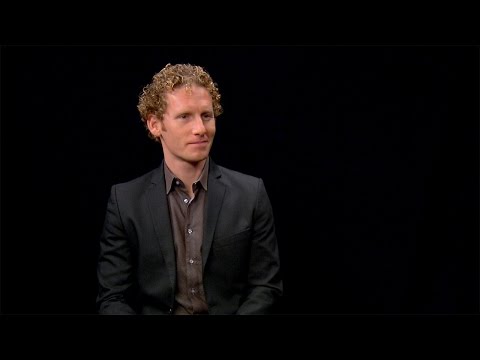
The Business of Selling Calm
Ask about Knowledge at Wharton
Episode Description
ABOUT THE EPISODE In a beverage market built around energy, caffeine, and alcohol, Recess is building a brand around the opposite need: a moment to unwind.
Zech Francis, CMO of Recess, explains how the company is making relaxation a more relatable consumer occasion. He discusses the strategy behind mood-support sparkling water and zero-proof mocktails, how Recess is expanding beyond a single product into a broader platform brand, and why rituals and real-world sampling matter when marketing a new category.
Francis also shares how Recess uses retail media, Amazon, and product trial to build awareness, and why AI works best as a tool for stronger human thinking rather than a substitute for it.
ABOUT THE PODCAST Marketing Matters is hosted by Wharton marketing professors Barbara Kahn and Americus Reed. Each week they discuss marketing and advertising trends, consumer behavior, data and analytics, the latest in retail marketing, brand-building, and much more with their expert guests. Episodes are recorded at the Wharton School.
----- The Wharton School of the University of Pennsylvania is committed to sharing its intellectual capital through Knowledge at Wharton, the school’s online business analysis journal.
Launched in 1999, Knowledge at Wharton offers free access to:
- Articles, podcasts, and videos highlighting Wharton faculty research and analysis of current business trends - Interviews with book authors from Wharton School Press - In-depth series of curated content like Wharton Executive Education’s Nano Tools for Leaders - A searchable database of more than 10,000 articles covering all aspects of business - A weekly newsletter that delivers Knowledge at Wharton insights directly to your inbox
Visit the Knowledge at Wharton homepage: https://whr.tn/3qUpSBE Subscribe to the Knowledge at Wharton YouTube channel: https://whr.tn/3DEAgAU
Read the full transcriptHide the full transcript
- Especially like leading into the years of COVID and especially outside of COVID, I mean, you
- really saw like stress and anxiety enter the zeitgeist, right? So I think I think this brand and
- other brands that are getting built in this relaxation space are a counterweight to what's happening
- in overstimulation with too much caffeine and the rise of energy. Hello and welcome.
- You're listening to Marketing Matters on the Wharton Podcast Network, our weekly podcast where we analyze
- the latest in advertising, marketing, customer behavior, retailing, branding, new product launches, everything marketing.
- I'm Barbara Kahn, the Patty and J.H. Baker Professor of Marketing, and I'm joined by
- my co-host, Americus Reid, the Whitney M. Young Jr. Professor of Marketing and the brand
- identity theorist, or maybe the more general identity theorist. Yes. And today we are so happy to have
- with us Zach Francis, who's the Chief Marketing Officer of Recess. And he was a 2025 at age 40
- under 40 honoree. So I guess you're under 40. Are you still under 40? No, I'm not under 40 anymore.
- I like squeaked in right before I turned 40. So I was very honored to have gotten
- that under my belt with the right timing. Yes, we have Zach, who's now over 40. That's right.
- More importantly, he's the Chief Marketing Officer of Recess. And Recess is a new type of beverage.
- It's a functional beverage focused on helping people relax and unwind. And it has a lineup of sparkling waters
- and non-alcoholic mocktails. And as we know, we've talked about it before, this non-alcoholic market is a really
- growing market. People are drinking less alcohol and they're looking for different kinds of beverages.
- So Zach, welcome to our show. And why don't you tell us a little bit more about Recess?
- And then we'll talk about your background and branding and lots of fun. Yeah, sure.
- Well, first and foremost, I just want to say thank you so much for having me on.
- It's a real honor. You guys will crack up at this. So the long running joke in my family
- is that I never went to college. And there's this long story and long history with my mom where, you know, I did
- all the normal stuff. I went down the AP path, took eight AP classes in high school, was all teed
- up to go to college, and then deferred to just starting to work right out the gate.
- And so I just told my mom, I was like, I'm going to figure it out. I'm going to make more money.
- I'm not going to go to college. So right before I got on this, I texted my mom and I go, Mom, you're
- going to crack up. I'm going to go on the Wharton Luckety Matters podcast. And she goes, Honey, I knew you'd figure
- it out. You always forge your own path. Good for you. That's perfect. You are a firm believer in college and
- university. Listen, I am not anti-college at all. I'm definitely not going to come on here.
- I'm just a fan of like, you got to do the work at some level, right? So like if you are intrinsically self-motivated,
- I do think depending on the career path you want to go down, you can just start doing the work and you'll figure it
- out eventually. I think that if you need the structure and mentorship, most importantly, I think college, especially
- at the level of Wharton is like, so, you know, I'm envious of not having like folks like you in my younger part of
- my career, because it surely would have like helped me, you know, overcome adversity much quicker,
- not make so many, you know, mistakes kind of along the way. So definitely like very pro getting the work
- done in whichever way you want to do it, whether it's college and traditional path, or
- you can just do it on your own, go for it. Well, before we, Barbara Khan, Barbara Khan is
- always ahead of the curve. She's always ahead of the curve, ladies and gentlemen.
- But before we give you your honorary marketing manners degree, Zach, we do want to, we
- want to do it. We're all about research here on marketing matters. So as Barbara Khan was alluding, you know,
- we do want to do a little quick sort of taste test, if you will. Let's do it. Yeah, let's do this.
- I have strawberry rose. I have. That is, that is our number one selling flavor. And a raspberry lemon, which you have, Americus,
- is pretty close behind it. And then we have this new pink lemonade flavor that we just released as well.
- So we've got like the Holy Trinity here on the podcast. Listeners, I want you to, if you're not
- watching this, listen to the audio, please. This is amazing. Okay. That sounded refreshing.
- It's actually delicious. Oh, this is delicious. Zach, thank you, sir. I am, I'm in a zen state now.
- I am, this is. But let's get into that. So we, you started talking to us about how you don't have the degree, which is
- not where I thought you were going to go. Hey, it's okay, it's okay. It's a curve ball.
- We pivot here. I mean, so we just opened this product, Recess. Yeah. But more than just delicious, right?
- It does have a distinct differentiation. So why don't you talk about that? Because I was actually a little worried when
- I read about it. Like what exactly does it mean? What's going to happen when I start drinking
- this drink? Sure. Well, I guess first I would ask you a question because I'm a huge student of
- just trying to understand how people interpret products. So you guys without, you know, you read
- about the brand, you've seen us on socials, you did your due diligence going through our
- website and reading other articles, but tasting the product, if you were to like remove all
- of that from your brain, what does Recess Mood taste like to you guys? I'd be so curious to hear your feedback.
- I love that. Well, first of all, Barbara, I'm going to just jump in and you can please add
- as well. I mean, first of all, I love bubbles. So I'm a big fan of the texture of bubbles on the tongue.
- And I realized this later in life that I thought I loved sodas, but I didn't love sodas.
- I just love the texture of the bubble. So I love the water. And so anything that can, to Barbara's point,
- anything that can give me something a little bit more than what water can do, I think adds for me a little bit of
- incremental value. What are your thoughts, Barbara? Sure. Yeah. So I've thought about this a lot because
- I gave up alcohol during COVID. So I don't, but I love alcohol. I don't drink it anymore, but I like
- the idea of alcohol. And what I liked about it was that it was a ceremony. It was more than just a drink.
- I liked the idea that I was drinking something deliberately, you know, more than just like
- for thirst. I also don't like water. And like America said, I like bubbles. So what I'm looking for is something that
- when I drink it, I feel like, you know, kind of I'm doing something. It's not just, and I am not disappointed
- with this taste. It's not, it's like, I mean, I don't know how I describe it. Mine does taste a little bit strawberry.
- I don't know what mine tastes like. So I'm not sure. Yeah. I'm getting, I'm getting the hints.
- Barbara, but please, as Zach unpacks this, please go back to that word ceremony, because there's
- something there that you said that I just want to learn. I want to learn more about what you
- meant by that. There's something deeper there. Yeah. So like, for example, I didn't do it
- this time because we're drinking on the show, we're showing the can, but one of the
- things like if I drink non-alcoholic beer, for example, I don't like drinking out of
- the can. I like putting it in a beer mug. I like being with everybody. I really want to be part of 5
- o'clock cocktails. And when I drink a drink, sometimes I'm just drinking it because I'm thirsty.
- Obviously, that's still a reason. And like Americas was saying, I drink soda, this and that.
- But sometimes I like the idea that there's a story behind my drink. And I like thinking about that when I
- experience it. And I like your story. I like that you're going to try. Because I'm kind of hyper.
- Ask him. The idea of having a drink that's going to help me relax. That is intriguing.
- Zach, the understatement of the year before you jump in, because Barbara is about as subtle
- as a drive-by shooting. No, she's the most, I mean that in a positive way, because she's the most intense
- person I know. A positive drive-by shooting. A positive, yeah, that's right. What are your thoughts?
- I think the reason I ask the question is like, when you read about this product,
- you know, and you start with the ingredient stack of magnesium and L-theanine and lemon
- balm and adaptogens, a lot of this, even for like— I saw what you said, and I was so afraid you were going to
- make me say it. Sure, no, like even more educated consumers, right? Because you guys are like tastemakers inside of
- a cool state, inside of a cool city, inside of a cool ecosystem. And like even for you, the way to
- talk about some of these ingredients does feel a little bit foreign, right? And I think like, to zoom out like
- 30,000 feet, the positioning that we're taking at recess is we are not talking about—and
- I'll drill into like the actual flavors in a sec, but the way that you're talking
- about anxiety and stress, right? Like we are trying to reposition that to make these more like everyday conversations.
- So like for example, if I was on this podcast right now and I said, Americus, you seem really anxious.
- You'd be like, dude, you don't even know me. You're judging me, telling me that I feel
- anxious. You're not my good friend. You're not my therapist. Like I'm not talking to you about this.
- But if you and I started to have a discourse on like, man, I was just so stressed today because I've had back-to
- -back-to-back one-on-ones or like, man, my commute to the office today was just so brutal.
- I was just stuck in traffic or, you know, Sunday scaries, inbox overload. Like these are kind of really relatable everyday
- things that Americans are dealing with and people around the globe, frankly, are dealing with.
- And so the premise of Recess as a brand is we're not selling just one product. We have our Recess Mood product line here,
- but we also sell Recess Zero Proof. We have Recess Powders. We have some Recess Gummies that we're going
- to be coming out with and some other really exciting innovation. And so we're building a platform and an
- ecosystem that is all predicated around helping people unwind. And again, it's not like prescriptive.
- We're not like your, you know, psychiatrist prescribing you Xanax or Benzos or whatever.
- This is something with natural ingredients, like 53 milligrams of magnesium and some lemon balm and
- L-theanine, these natural ingredients that naturally do help you calm down. But when you zoom in, and the point
- of my question originally was, you know, outside of all the research you guys have done,
- when you taste it, what does it taste like? And for me, Recess Mood is just a really premium sparkling water that happens to help
- you chill, right? It's a very easy to understand position versus, you know, us as a brand taking this
- position that, oh, it's going to cure anxiety. It's going to cure stress. It's going to, you know, fix all these
- problems throughout your day. Like, no, it's not, right? It's like, it's a little moment of calm
- in a can that we're delivering to you via natural fruit juices, you know, really delicious
- sparkling water, premium ingredients. We use a really premium magnesium and L -theanine and lemon balm stack in the actual
- Mood product. And so again, it's just like a little moment for you to have like an anytime
- unwind in your day when you need like a little moment of calm. So again, I just I love asking people
- because, you know, it's funny, like I had a former colleague of mine come over to
- my house a few weeks ago and was asking him this exact same question. I go, dude, have you tried recess?
- And he goes, yeah, he goes, I tried it. And Barbara, similar to what you said, he
- was like, I didn't know what to expect, right? Like he had this like big expectation for
- what he was going to feel like. But like that is the difference between what we're selling.
- We're not selling, you know, a high ADV spirit where you understand the effects.
- We're not selling a high THC product where you under you understand like the mind altering
- effects of it. But then conversely, we're not just selling a normal sparkling water or normal mocktail.
- We are taking a position where there is a functional ingredient stack that actually does help
- you calm down and take the edge off a little bit throughout the day. So let me ask you a question, because
- this is a big, big market with a lot of a big category, I mean, with a lot of players in it and a
- lot of small startups who have been really successful. And this idea of functional beverage is an
- idea that's been around for a while. And they're, you know, Red Bull's energy drink.
- And then he came on with whatever they have in there to, you know, some kind of nutritional thing that's better for you.
- So you're entering. I don't know when you entered this, how long you've been in the market.
- But it says it on my hat. I think 2018. So it's been it's been around for a minute.
- Yeah, it's been around for me. I've only been in the CMO seat since late February.
- So I'm newer to the brand right now. I mean, that's it's a competitive. It's always been a competitive industry.
- Sure, this is Pepsi. We're talking about big ad dollars. Sure. And a lot of distribution money spent on
- this. So how do you come in as a new brand with maybe a strong positioning, but get through the clutter and make a difference
- in this category? Yeah, I think I think to zoom out, you know, talk about the original part of
- your question. Like there there is a long storied history of niche brands in function becoming mainstream.
- Like we are not doing something that novel, right? Like the calm effect and the calm ingredient
- stack is our novel kind of moat and competitive advantage. But if you look at brands like Celsius,
- right, like Celsius started all these years ago, even John Fielding, when he entered the company,
- it was they were doing nothing. They had like 17 employees, sub, you know, $3 million in revenue.
- And their whole position, and I don't remember back to this, but their whole thing was
- they were a metabolism drink. So their value prop to consumers was drink this product and then you'll burn calories.
- It's a caloric drink, right? And it's like it's like an insane position, right? Because you read that as a consumer.
- Coffee replacements of people I know who drink it, drink it instead of coffee. Sure, so but when they originally started, it
- was just this hyper niche, like metabolism drink, right? And then and then they brought into Aputure
- and be like, no, no, we're an energy drink that's better for you. Right. So they're going after like a giant market
- of people that are looking for, you know, caffeine in general, delivered in different ways via
- flavor and function, sparkling or not sparkling via coffee, via energy, whatever.
- You look at Poppy, Poppy is another one, right? Like Poppy, Ollie Pop, etc. started with this very niche value proposition.
- If you remember back to like the original Shark Tank episode where they pitch the sharks
- on Shark Tank, they were called Mother and it was like an apple cider vinegar company,
- right? Like it wasn't a soda. They were going after this really hardcore gut biome.
- It did. And then and then they were like, okay, like, and then, you know, our partners from
- Kavu got involved and they kind of, again, brought into Aputure and opened up the way
- that they talked about the brand and be like, no, no, it's soda, but it's better
- for you. Right. And then you look at athletic, athletic, the same thing you guys remember back like, you
- know, 20 years ago, I remember being at a, you know, a backyard barbecue with my
- dad during a moment where he's like, oh, I'm just gonna take a break from drinking
- beer. I don't remember what that the brand was. There was that really popular N.A. beer
- from forever ago. Barbara knows her alcohol. I didn't like O'Doul's as much as I
- like N.A. Okay, so O'Doul's like took this kind of like niche thing of like, at that time, drinking N.A. beer was
- not crazy, but it's kind of like, well, if I want to pretend that I'm drinking beer, this is my only choice, right?
- So then athletic comes along and athletic took this thing that historically was super niche.
- It was like moderation and zebra striping and a lot of these like, you know, brand
- positions that the N.A. category is taking now weren't really popular. You were drinking O'Doul's because you were pregnant
- or you had a problem, right? And then like… It was a negative thing I felt left out.
- Yeah. Athletic, I feel part of the party. Part of the ceremony. Right. And so, so athletic, athletic made it beer,
- but just, but it happens to have no alcohol in it. It's more of like an athletic lifestyle choice.
- And so we're, we're doing the same thing. Like we're taking this like hyper niche, helping
- you calm down, helping you relax. Again, if I were to talk about the brand positioning as being like, we're a cure
- for anxiety and stress and all, you'd be like, that sounds like craziness. Like there's, there's no way.
- Wait, let me stop you, Zach. And I know Marcus is going to ask questions, but I'm going to ask a question
- here just. Sure. I'm curious about the way you're positioning it. So what was the chicken and the egg?
- Did you look in this market or whoever started this company and find the gap and
- say, you know what? There's a non-alcoholic beer and there's an energy drink. What's missing is calm.
- Or did you have this product and then figure out the positioning? Yeah. And let me just add a little bit
- more nuance to Barbara's very, very important question here, which is, cause she tells me this
- all the time, which is like America's great brands figure out how to synchronize with cultural
- relevance. And one of the things that I think that I noticed, Barbara, you can tell me
- this is correct. That self-care is now the thing. Like now it's like all about, you know,
- wellness and like, you know, stepping back and like not being on the, the hamster wheel
- and all this stuff like Barbara's saying. So chicken or the egg question, like how
- did this happen? Where did, what, what, what was the way that it evolved? Yeah. So, so Ben Witte, our founder, he, I
- love Ben. He's such a bright cerebral guy who's had a very real vision for this brand since
- 2018. And like, you know, I could give you his whole history, but the, the, the TLDR,
- the long and short of it is that, you know, the, the original thesis of the brand is that with the rise of energy
- and the rise of caffeine and overstimulation, there has to be a counterweight to that, right?
- Like all, all markets are built on this bell shaped curve, right? So you have the most extreme high ABV
- products. You have an NA product, right? Like every single category exists in this way.
- You have, you have better for you snack food. And then you have like, you know, talkies
- that are made of like, God knows what red out there, right? Yeah, sure. You're eating Skittles and you're like, my teeth
- feel like they're literally going to fall out of my mouth. Like what is this? Yeah, there's this bell shaped curve.
- And so, so the brand was originally built that like we're entering more and more overstimulating,
- overstressed, over anxious times. Especially like leading into the years of COVID
- and especially outside of COVID. I mean, you really saw like stress and anxiety enter the zeitgeist, right?
- So, so the way that I'm positioning recess is very broad and relatable, but, but if
- you really drill in like the, the America as a whole kind of had like PTSD from not knowing what was going to happen
- when we entered COVID and then post COVID, like people didn't really understand what was happening.
- And so I think, I think this brand and other brands that are getting built in this relaxation space are a counterweight to what's
- happening in overstimulation with too much caffeine and the rise of energy. And again, not that, not that Monster or
- Celsius or Alani or Pick Your Poison, they're not bad. Like we're not like, this is bad, but
- in, in similar to the counterweight to, you know, if you look at the, the rise in alcohol in particular, the biggest inflection point,
- and this ties into my background previously being the head of marketing at, at Beatbox was
- that you saw the inflection and this real hockey stick moment happened where high ABV, ready
- to drink cocktails are quite literally what is saving the alcohol industry. Like beer is in decline, wine is in
- decline, spirits are in decline. You look at like bourbon and whiskey and all these, they're literally like stopping production because
- they can't sell the supply that they've created. And then you look at ready to drink
- cocktails have really popped off, right? And so with our zero proof product, which
- is this, this I'll reveal this to you guys too, we have this really exciting espresso
- teeny flavor that's coming out. Like as we speak, we also have a, an apple teeny that's coming out as well.
- Apple teeny. Yeah, teeny, teeny packed. They taste like the real cocktails, right?
- Even though they don't have, They do. The apple, apple teeny does, espresso teeny is,
- you know, admittedly challenging because that kind of cream full flavor on your mouth, but they're
- both fantastic flavors. I encourage you to pick it up. But so the point being is like the
- inflection and this hockey stick moment with RTD alcohol, they're also on that bell shaped curve.
- There's that counterweight of people that just want to moderate their drinking, right?
- And so, so for us, like we are, we are not a sobriety brand, right? We are not like, we are not taking
- the position that you shouldn't drink. We are not judgmental. Do whatever you want to do.
- We are more entering the conversation as a zebra striping and moderation brand where I have,
- I'll have this story. My little brother, it was his birthday a few months ago. And one of his friends came with his
- wife. And I saw her like just watching her drinking patterns because like, you know, I'm probably
- weird like you guys where I'm like, oh, I wonder why she's doing that. So she would have a cocktail and then
- she'd order like a Rambler, like a sparkling water, drink the Rambler. And I was like, hey, like, like talk
- to me about like your, your pace of drinking, right? She goes, well, to be honest, she goes,
- I just like, I can't drink the way that I used to. So I'm intentionally just pacing myself, right?
- And so, you know, similar Barbara to when you were pregnant, you wanted to feel part
- of the conversation. You wanted to feel part of what was happening culturally. To the point where you're pouring your Odules
- into a cup. So you have the ceremony to feel like you're a part of the drinking occasion, socially
- that's happening. So our products are fitting that exact need state. You're positioning yourself in beverage.
- But the other thing that obviously comes, comes to mind is drugs, you know, like, so
- how do you position to that? Yeah. You know, legal drugs we're talking about. Allegedly, Barbara's just speaking.
- She's just, you know, this is a speculative, clearly. I mean, this brand. So how do you think about your, your,
- I mean, is it on relaxation? Is it on beverage? Like exactly what is your niche?
- What's your position? Sure. So I mean, the phrase legal drugs is like, is changing so rapidly.
- Like I, I have quite a few friends in the beverage industry that have THC products,
- THC brands that are very popular. And, and like, I feel for them right now because the regulatory environment is so slippery,
- right? Like they think one month that this is going to get the federal regulations are getting
- pushed out further than they're getting pulled back to get a 30 day extension. So I would just say that like, we're
- not trying to like play too much in the, you know, as a counterpoint to what's happening in the THC space.
- This brand originally funny enough started as a CBD product. It was one of the first CBD beverage
- brands back in 2018. And the business essentially just had to pivot through the regulatory, you know, movements that have
- happened through the 2020s is like, it is not getting federally legalized. So for us building this brand, like we
- kind of had to move away from CBD to the point where like, right now we still have a CBD product line, but we
- are deprecating it at the end of this year. And it's only 1%, it's around 1% of the business.
- So it's like kind of a nothing burger from a revenue perspective. We've been phasing out to really focus on
- like recess mood and recess zero proof and then some of these other platforms that we're
- coming out with. And I think like the question like, you know, what we're building is like we're building
- a real platform brand. So yes, we are in beverage right now. But as mentioned, we have a reformulation of
- this powders business that we're coming out with. So it's like an on the go, unwind
- product that we're coming out with. And it's called a calming drink mix. It's going to get picked up nationally very
- quickly towards the end of this year and then in the next year. And so we're really looking to like capture
- these large markets and then build a product again as a counterweight to a lot of
- these big trends that are happening. Let me jump in because I this is Barbara said something that just like this is
- percolating in my mind now, which is the idea that there's a lot of things out there that might in inside the mind of
- the consumer, they might put on the same map of things that they're trying to figure
- out. Well, what is the true value proposition for this particular product? So you have the CBD stuff out there.
- The other thing that is interesting, because that could be a challenge, right? Because people don't, you know what, you don't
- want to necessarily be in that space. Yeah, but, but then the other thing, but there to Barbara's point, there are a bunch
- of other things like meditation, like all these other sorts of activities that if you can
- like, can I get, can I get part of that routine? Yeah. Can I get part of that habit, that
- routine when Barbara's waking up before she's blasting her students, uh, you know, she's going to
- relax. Can I, can I get her to drink the recess and do her journaling and her meditation and her mindfulness?
- Right. So there's speak on that. Is that what you do? I do. I do. I do. And I'm going to start drinking recess, ladies
- and gentlemen. Yeah. I mean, listen, like, yeah, that is a big part of our position is like, we
- want to become an everyday part of your routine. Like similar for me, like I, I've been
- taking this specific, like vitamin stack for the past five years where I'm taking like 500
- milligrams of magnesium and D3, K2, like, et cetera, like all these different ingredients kind of
- put together because it just helps my kind of like mental state from like a calmness
- and a clarity perspective. And so that is part of my routine. And then you, you look at brands, you
- know, even in like the, the powder space, like colostrum, like what the hell was colostrum
- five years ago? Like that was not a thing. Right. And now you have Armra and you have
- Cowboy Colostrum and you have these brands that are popping up and they're part of your
- daily routine where you're like, oh, I'm just going to take my colostrum and put it
- in my coffee, put it in my water, shoot it real quick. And like we, it is a, it is
- a routine occasion and ritual. And so I would say that recess mood, recess zero proof, recess powders, we're building these
- different products and this platform to be a part of your daily ritual. So whether that is like Monday to Friday,
- where you're like, dude, I need to lock in, I can't screw around. I'm not going out and partying this week.
- And you're drinking recess mood throughout the day based on when you want to take the
- edge off and you want to feel a little moment of calm. That's great. And then zero proof.
- We're there for the occasion. We have a few minutes left and I do want to ask this because it is
- marketing. Yeah, go for it. So what you're describing right now, and the Americas's question triggered it, is what our colleague
- Jonah Berger would talk about, like a trigger moment, like you're trying to get in a
- routine, you know, like at a, at a coffee, at a, you know, at five o 'clock, drink a Miller beer or something like
- that. And you're talking when you're doing something like that to calm down. So you have, and all the other things
- you were talking about, brand platform and the different product lines, that's your marketing message.
- But how are you getting it out? What's the media? Are you doing social media? Are you doing advertising?
- Like, because it's such a broad topic area. How do you get it out? Sure, sure. We're, I mean, we're, we're doing everything.
- Like, unfortunately, well, I guess, fortunately or unfortunately, depending on which way you look at it,
- there's like a, an effective brand right now from a marketing perspective is doing a little
- bit of everything, right? Like, like, I wish it were that simple, right? Like you were doing this one thing and
- it's like, it's so incredible. Like we have a blended media model where we are doing, we were very successful on
- Amazon from a sales perspective. So we're doing a lot of Amazon paid search. We're doing a lot of like drive to
- our PDP pages. We are doing a lot of, you know, retail media advertising, but on the brand marketing
- side of things, like I'm just incredibly bullish on getting cans in hands, you know, to
- your point, America, it's like, I say this all the time. I'm like, at the end of the day,
- I can digitally market my product over and over and over again to you, but you need to try it, right?
- You guys just now probably the first time, hopefully not, but first time you probably drank
- recess and you're like, oh my gosh, like I, this is different than I thought it was.
- And hopefully you guys enjoyed it. And so when you're at that decision point in a store where you're going to pick
- up this product or that product, you're going to pick up a LaCroix or a Topo Chico or a recess.
- You're going to pick up our product because you're like, that was just a really great
- product, right? And so we're doing America's ask your AI question. Go ahead. Barbara knows I'm so predictable.
- Talk to us about how you're incorporating these generative artificial intelligence tools.
- Yeah. I mean, listen, like AI steer, like there's nothing you're going to do about it.
- Like I think that the way that I framed this up for my team, especially the creative team is like, this is just a
- tool. This is like before in graphic design, before Photoshop and Illustrator, you were cutting things out
- and collaging and taping them together and scanning them into a computer. And now you're using Photoshop and Illustrator to
- do the same effort. So I think AI, you know, in, in graphic design from a thought partner perspective, it
- is a tool. So I think the people that over index and over utilize AI are going to be
- at a deficit because they're not triggering the parts of their brain where they're connecting with
- actual humans they're selling products to. And so I think the way that you need to look at AI is, and for
- me, like I use it as a thought partner all the time, like pose these very complicated questions and be like, what is your
- perspective on these specific points of this question? And then it's just, it's just one counterpoint
- versus me having to pick up the phone and America's, you're not available 24 hours a
- day. You're probably the smartest guy, you know, that I could pick up a phone and call,
- but like, you're not available to me all the time. So AI is always on thought partner for
- me. And that's the way I view it. Excellent. Well, you know what? We are out of time.
- Thank you so much. Zemo, a recess for your energy, even though this is supposed to be a calm moment.
- I know. I am the representative of this relaxing brand, which is hysterical. And he probably had five or six recesses
- before he got on the call. So Lord knows where we would be. I'm just always high energy.
- I can't help it. I love it. We love it. We love it. Anyway, where can our listeners go to keep
- up with you, with the brand? Sure, sure. About all of my socials are just my name.
- So Zach Francis on LinkedIn, Zech Francis. And then same on, you know, any social
- platform I'm available on. And then take a recess is take a recess.com. And then at take a recess on social.
- So we're on Instagram, TikTok, YouTube, etc. All the all the main platforms. So yeah, looking forward.
- Like, I mean, this all your listeners, like, truly, if you have a question, if you
- want to double click on something, you quite literally can reach out to me in any
- way that you feel comfortable. And I'd be happy to have a conversation. And if there's something I can do on
- the mentorship side, this is something that, like, I always sought in my personal life.
- And so if anyone out there just wants a piece of advice, if I can spare the time, I surely will.
- So, so feel free to reach out. That's very generous. Thank you very much. That's all we have time for today.
- And we'd like to thank our producer, Jacob Grodnick. And thank you all for listening today.
- We'll be back soon. Till then, this has been Marketing Matters on the Wharton Podcast Network.
- I'm Barbara Kahn, here with America's Read.
Brief Summary
Zach Francis discusses Recess, a functional beverage brand promoting relaxation amidst rising stress and anxiety in consumers.
Key points
- Zach's Unique Path. Zach shares his unconventional journey to success without a college degree.
- Taste Test on Air. The hosts and Zach taste Recess beverages live, sharing their reactions.
- The Rise of Relaxation Beverages. Zach Francis discusses how brands like Recess counteract overstimulation with calming drinks.
- The Rise of Relaxation Brands. As stress and anxiety become prevalent, brands like Recess are emerging as a counterweight.
- The Shift in Alcohol Consumption. High ABV ready-to-drink cocktails are saving the alcohol industry amidst declining sales.
- New Zero Proof Products. Recess is launching exciting new flavors like espresso teeny and apple teeny.
Episode highlights
- Zach's Unique PathZach shares his unconventional journey to success without a college degree.“I'm going to figure it out. I'm not going to go to college.”2:35Sep 24, 2026
- Taste Test on AirThe hosts and Zach taste Recess beverages live, sharing their reactions.“Oh, this is delicious!”4:35Sep 24, 2026
- The Rise of Relaxation BeveragesZach Francis discusses how brands like Recess counteract overstimulation with calming drinks.“We're not selling just one product; we're building a platform for unwinding.”10:11Sep 24, 2026
- The Rise of Relaxation BrandsAs stress and anxiety become prevalent, brands like Recess are emerging as a counterweight.“We're entering more and more overstimulating, overstressed, over anxious times.”18:31Sep 24, 2026
- The Shift in Alcohol ConsumptionHigh ABV ready-to-drink cocktails are saving the alcohol industry amidst declining sales.“High ABV, ready to drink cocktails are quite literally what is saving the alcohol industry.”19:31Sep 24, 2026
- New Zero Proof ProductsRecess is launching exciting new flavors like espresso teeny and apple teeny.“We have this really exciting espresso teeny flavor that's coming out.”19:54Sep 24, 2026
- The Role of AI in MarketingAI is viewed as a tool for enhancing creativity and connecting with consumers.“AI is always on thought partner for me.”29:04Sep 24, 2026