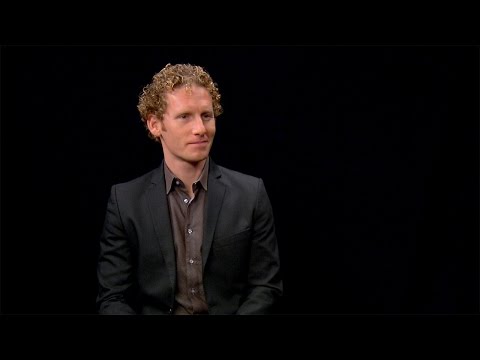
Marketing Student Margot Stern Talks Pizza, Gatorade and 'Legit' Brand Messages
Ask about Knowledge at Wharton
Episode Description
Margot Stern is a Wharton MBA student. During a recent class on consumer behavior, she called on the expertise of high school students in and around Philadelphia for their insight about how best to position the national running shoe brand, Saucony. Stern spoke with Knowledge@Wharton High School about her interest in marketing, focus groups and why she is impressed by high school students' authenticity.
Read the full transcriptHide the full transcript
- [Music] Margo thank you for joining us thanks for having me so tell us about yourself
- and the Wharton class you took on consumer Behavior so I'm from Philadelphia um I actually went to a
- high school called Germantown friend School here in Philly and I've lived in Philly most of my life I've traveled a
- little bit internationally and studied abroad and I'm actually in the Wharton and Lauder MBA and master's program in
- international studies so I'm particularly interested in marketing and marketing across different cultures and
- different consumer groups so I decided to take a class with Professor americaus Reed on consumer Behavior because I was
- really interested in the cross-section between psychology and branding and marketing so in this class um in a
- traditional class you might think that you would go to class and have different lectures about topics and learn things
- by textbooks but in this class we actually worked with an outside client this was a real professional client it's
- a national running shoe brand and they wanted us to take their product which was running shoes and find a way to
- Market it more effectively to high school students so for the entire semester we worked with the professor
- and with this company and actually interviewed and worked with a lot of high school students to try to figure
- out how to position this marketing shoe to I'm sorry how to position this shoe brand to appeal to a younger Market to
- the high schoolers great okay so and the brand is actually soy the company is s right yes and how did you go about
- finding high school students to offer feedback about the sakon brand so we reached out to students in a number of
- different ways um we try to use some of our personal relationships to get in touch with parents either of uh Wharton
- parents that were Wharton professors or people that we knew and we would reach out to high schools that way sometimes
- we would reach out to the athletic department um and then Wharton actually has a program where they work with high
- schoolers in West Philly and so we were actually able to work with some high school students here in West
- Philadelphia so overall it was great because we were able to get a great variety of students from all around
- Philadelphia from both private schools and public schools um so did the students respond well to your brand
- related questions tell us a little bit about how the process went usually we would start with a group of students and
- we always offered them pizza and Gatorade because we had done a little bit of research and we thought that was
- uh the best way to get to students so we would offer them pizza and Gatorade and
- um at one point the company made some gift certificates available some discount cards for their sneaker brand
- so we would bring along with us a bunch of different sneakers some were this particular company's brand and then we
- brought along some other brands of shoes things like Nike ones that that high schoolers have definitely heard of so
- usually we would start by addressing the high schoolers and just talking to them
- a little bit about the importance of what we were doing and we said that when a company looks to market a shoe
- directly to a high schooler they want to learn from that high schooler so they want to learn not just about what kind
- of shoes that high schooler wears but what's called a psychographic profile so for a high school or Scholastic athlete
- a psychographic profile would be what are their interests what kind of music do they listen to what kind of rituals
- do they do to get ready for big games and what do they do if they win how do they celebrate and then what do they do
- if they lose so um the high schoolers were definitely animated and interested in telling us their own personal stories
- and we found that it was very specific there were some things that as a team people did together and then there were
- some things that high schoolers had you know their favorite song that they would
- listen to to get psyched up or their way to sort of focus before the big game so
- there was a combination of things that were individual for each individual high schooler and things that were more of um
- kind of a group activity so that was kind of how we started before we even got into specific Brands later we would
- move into asking them questions that were associative so what kind of a feeling or attitude or type of
- personality do you associate with this sneaker so we might give them a Nike sneaker and say what you know what does
- this make you think of if you have if you have to describe the personality the person that wears this shoe what's the
- person and they were often very specific answers so Nike was a person who was athletic and cool and dominant and you
- know New Balance for example and I'm sorry to say this but they were sort of the grandfather taking long walks with
- the dog so it was really interesting because the high schoolers had really specific ideas of what different brands
- kind of meant to them and without realizing it they were talking about brand personalities and brand identities
- so it was definitely interesting and and the high school has had a lot of really
- good insights so this basically constitutes a focus group right yes can you talk a
- little bit about the use of focus groups in consumer awareness and in brand identity and brand awareness sure so
- usually when uh when a company is trying to either create a brand or understand how their brand is received or pictured
- or understood in the marketplace they'll pick a particular cross-section of people and some cases it's a specific
- group so in this case it was people you know within the ages of I don't know 15 to 18 who were athletes co-ed but it
- could be anything it could be you know mothers of children who are between the ages of two and four it all depends on
- what the product is and what they want to learn about the group so in this case um the company wanted to learn about
- what high schoolers thought about their product and a focus group is one of different ways to do that other ways
- might be doing a survey a written survey where you send it out to many different
- people you ask questions and people answer those questions according to different feelings they have about
- Brands but what makes a focus group special is that sometimes there are insights or ideas that come out of
- people talking to each other so an interview a one-on-one interview is a great way to get you know an expert's
- opinion maybe if you were marketing a drug you would ask a doctor on his opinion of the drug and maybe if you
- wanted to know if people preferred Diet Coke or Diet Pepsi you could send a survey out to thousands of people but in
- this case when you want to get a little bit deeper insights and you want to understand how people function as a
- group then you can do a focus group which is usually around you know maybe six to 10 people and in this case it was
- often around that number and there are certain ideas or opinions that sometimes came from people bouncing ideas off of
- each other so we would hold a sneaker up and we would say what do you guys think
- of this and one person would say well this color is cool I like this and another person would say yeah but look
- you know the treads on the bottom of that sneaker are too big and this isn't a legitimate running shoe so you you
- learn that way how people's ideas about brands are not just individual but are influenced by each other so what did you
- learn about the the appeal of the salony brand to high school students what were
- some of their key insights honestly high schoolers didn't know a whole lot about
- the running shoe which is was not a surprise because what we understood about it when we began the project is
- that this is a shoe that's very popular and very well respected among Elite and fitness Runners so an elite Runner would
- be somebody that competes regularly as a runner and a fitness Runner would be somebody that's out there you know three
- four times a week running regularly cares about what kind of gear they use it you know pays attention to different
- brands in terms of their functionality so Sak is already a well-respected shoe and very popular in that segment but we
- found that a lot of the high schoolers we talked to didn't really have a very specific idea about it they didn't
- necessarily have um specific associations about you know who is the brand personality that sakon is mostly
- because they weren't entirely familiar keep in mind though that we talked to high school athletes that
- represented a cross-section of athletes so football players soccer players basketball players the runners that we
- talked to if there was a group usually the person or two people in the group that were Runners they had heard of Sak
- maybe they had run with it and they had kind of a quiet respect for understanding it was a good running shoe
- but there definitely wasn't any sort of enthusiasm or excitement about the shoe so what do high school students want
- most from their brand messages what did you take away from this well that's a really interesting question it wasn't
- necessarily what we expected um when we first talked to the high school students
- about Brands and what brands were popular we we got a lot of response about Nike and under arour and they were
- two very different appeals so Nike was an appeal that was Nike was popular because it's cool the advertisements are
- really cool and uh the high schoolers were really specific about Nike ads so they could quote or imitate an ad that
- they had recently seen and they really responded positively to that so they thought it was cool they also would go
- into Stores um a Modell's or a Dick Sporting goods and would talk about the experience of walking into that store
- and saying yeah you know there's a tiny little section over here for you know a smaller brand and then the whole wall is
- Nike and there's so much variety so variety was a really big deal to them too being able to have lots of different
- options for colors and styles was something that captured their attention so what surprised us was that we thought
- that maybe high schoolers would be a little suspicious of a Big Brand like Nike you know Nike is a huge company um
- we thought that these same high schoolers who sort of have their own individual ways of relating to sports
- and athletes in fact and really care about sort of the personalization about sports but then when it came to Nike
- they were impressed by its sort of largess and popularity and being big and powerful was actually positive so that
- was really interesting um under arour was perhaps one of the most interesting in insights was that high schoolers felt
- like if somebody was wearing Under Armour it made them and they use this word legit so there was something about
- the importance of authenticity in athletes that if you showed up to a basketball game and the posing team
- walked on and they're all wearing suits that's another form of okay these people
- mean business you know they're here to play they're serious they're legit and it was kind of the same thing with Under
- Armour people who wore Under Armour you know athletes who wore it were considered legit and that was something
- that really resonated with high school students and that was actually something that we took back to saky and we said
- look you're a company that isn't super well known among high schoolers and you're not going to be a Nike and you
- don't necessarily want to be a Nike because if you were then all of your Elite Runners that respect you because
- you're this authentic running shoe company are going to start thinking that you're just one of these sort of
- mass-produced brands so why not take the message of legitimacy and try to work with that work with what you already are
- so sakon is a legit running shoe we knew that high schoolers really responded to
- this idea of legitimacy and authenticity and we thought try to create a brand message around what it means to be an
- athlete who's legit and if you really want kids to start paying attention to running shoes then maybe the way to do
- that is to create a message and a brand around how run running is a legitimate part of being an athlete or being in
- physical running condition is somehow makes you more legit as an athlete so all this knowledge you're gaining about
- Brands and consumerism as a student where do you hope to take this in your own future well the thing that was the
- best part of this project for me honestly was talking to the students I really enjoyed it and I liked that their
- opinions were different than mine I liked that they surprised me I liked that I didn't always know what they were
- going to say one of the things that really surprised me for example was um I talked about this a little bit with
- students personalizing things but you sort of look at these top athletes that are really popular and they're the ones
- that are in commercials and they're the ones with sponsorship and you assume that you know particularly a high school
- age male is going to really respond to those athletes it's going to really sort of idolize them but one of the questions
- we asked in the focus groups was what athletes inspire you and who are the athl states that really motivate you and
- and when you aspire to be like someone who is it and um more than one focus group so these were two completely
- different focus groups kids that did not know each other mentioned the same baseball player and they mentioned it in
- the same exact context which was this is a baseball player that I look up to because he's this particular position
- and he's kind of of short stature and you know I don't think I'm necessarily going to be the next Babe Ruth
- I don't think I'm necessarily going to be the next you know famous basketball player but here's an athlete that I kind
- of relate to and I think you know maybe if I worked really hard I might be able to Aspire to that so that was this
- really exciting thing that was so cool because you had two completely different kids that didn't know each other saying
- the same thing about an athlete who's definitely popular but somewhat of an underdog they were so excited about this
- that it made me excited and it made me particularly excited because it was so cool to see that these high schoolers
- had really done their research they were really knowledgeable about these Sports
- and they were relating to people because they felt a personal connection and the
- same question came up with another answer that was even more kind of heartwarming which was that a lot of
- them mentioned fellow athletes teammates you know they said if if I have a teammate who plays basketball and I play
- soccer but he's really good at basketball I go watch his games you know or just my friends who play really well
- they inspire me and this was an answer we got from kids all across the board so kids at different schools with different
- backgrounds you know playing different sports they all said the same thing and I thought that was really interesting
- that here's a group of people that yes they respond to big companies like Nike yes advertising is effective on them if
- if Nike advertises a really cool sneaker they're going to be excited about that sneaker but that doesn't mean that all
- they care about is branding and marketing and messaging they also care about their friends and there's a level
- of integrity and authenticity among high school students I think is really impressive that at such a young age all
- of these athletes were really focused on what's real to them not just this sort of picture of what's in the
- media very interesting thank you for joining us Margo thank you for
Brief Summary
Margo discusses marketing strategies for a running shoe brand targeting high school students, emphasizing authenticity and peer influence.
Key points
- Margo's Insights on Marketing to Teens. Margo shares her experience working with high school students to market running shoes.
Tension
30/ 100Low tension