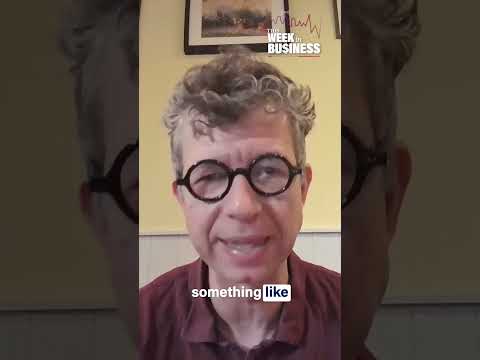
Paul J. H. Schoemaker's 'Brilliant Mistakes': Finding Opportunity in Failures
Ask about Knowledge at Wharton
Episode Description
Groupon's rejection of Google's bid. Subscription changes at Netflix. The New York City Schools' hiring of a former publishing executive. Do events like these, which were considered to be colossal mistakes by some, also have the opportunity to result in game-changing innovations? That is one of the questions that Paul J. H. Schoemaker, research director of Wharton's Mack Center for Technological Innovation, has been exploring throughout his career. In his new book, Brilliant Mistakes: Finding Success on the Far Side of Failure, Schoemaker identifies ways to take advantage of the opportunities that can flow from mistakes. 📂 Innovation
Read the full transcriptHide the full transcript
- [Music] [Music] I'm Steve Cobin executive director of Wharton digital press and today I have
- with me Paul Shoemaker who's the author of brilliant mistakes finding success on
- the side of failure Paul welcome thanks for having me Steve okay a brilliant mistake sounds like an oxymoron how can
- a mistake be brilliant well if you learn more from the mistake than it cost you it might actually get to be brilliant
- but I recognize there's a bit of a paradox in the title so I think it is an action that you take or a prediction you
- make that turns out to be not right and this this hurts you initially and then but it also opens up new Vistas and it
- may result in Innovation Discovery you see starting to see the world differently or yourself differently and
- this could be in a small way you get fired from a job unexpectedly and it prompts a lot of learning or you enter a
- new market or a new technology and initially many things don't work out well but then the benefits eventually of
- having made quote that mistake more than compensate for its cost that would qualify as a brilliant mistake what are
- some examples can you give me an example of a brilliant mistake sure I think uh a
- common example is that people start after they leave uh school they start to work and they take a job and they may
- think they're doing wonderfully well and then they go to their boss and they insist on a raise they may get fired on
- the spot and as they go home to you know think about it they say boy that was dumb why did I do that but it may also
- be as they start to think about it more deeply once the emotion has subsided uh they really start to think about so why
- did I have such a distorted view of how people perceive me and what my added value is in that company and this may
- get people on to the right path and and many I think successful people have had those experiences can you another
- example of a brilliant mistake well I I think that of course in science there's many right there's many scientists from
- Fleming who discovered penicillin by allowing a certain amount of sloppiness in his in his laboratory and because he
- did that he had a wider range of observation and noticed spores coming into a dish which then led to the
- discovery of you know penicillin well Paul what got you interested in brilliant mistake in the first place
- what led you to develop the ideas in your new book well first of all I've made a lot of mistakes in my life and
- there's a rationalization process where you want to believe they're brilliant but they aren't so the topic is is
- intriguing for anybody who reflects I think on their own life but what really intrigued me is the following if you ask
- successful people in business what they learn to most from they tend to say my mistakes right uh and then the next
- question that I ask is so why not make a few more mistakes if they so valuable why leave this up to
- chance and they don't have a good answer to that question and I didn't have a good answer to that question either and
- now I think I'm confused at a slightly higher level about that question in your book brilliant mistakes
- you argue that managers and organization should make more mistakes they should make mistakes on purpose why do you say
- that yes and I have to say that of course with a little with a caveat you have to do it carefully and
- strategically well I think that most people are risk averse which means that they play it quite safe and they don't
- explore as widely around their viewpoints their mental models as they perhaps should organizations exacerbate
- this because they reward people for results most of the time not so much you know good intentions or good process for
- exploration so I think leaders who want to um compete on Innovation and that's an important caveat if your intention is
- to change the business model if you're in a new environment I think you should have more tolerance for mistakes than is
- typically the case in companies you argue though that companies should make m not just have more tolerance for
- mistakes but make them on purpose what do you mean by that yeah that is indeed a higher level of making mistakes I
- think you should first start by mining the existing mistakes very well because most of the time we run away from our
- mistakes we don't want to think about it it's an unpleasant experience but once you start to realize that mistakes are
- are Treasures are Gifts of sorts and then you say now how can I create ecologies or environments where this
- happens more uh more naturally more fully and in our own company we did an example where we would routinely reject
- proposals that came in for for projects that that we had no connection to over the transom we thought this was a waste
- of time to respond to those opportunities and what we did once is list a whole bunch of assumptions that
- was made by this management team in that company assumptions about how you run the business you know uh and this was
- one of them that we don't respond to requests for proposals rfps that we have no connection to and it turned out that
- it was an easy way to test that uh whether that was a correct assumption and when we did to our Delight it turned
- out that some of these um unsolicited proposals turned out to be quite profitable but it wouldn't have started
- by unless we started to list some of these key assumptions so you deliberately decided to make a mistake
- yes and look at uh proposals that came in over the transom which you wouldn't have previously and yes and under the
- old frame of mind if we had done a cost benefit analysis or even more sophisticated have like a rate of return
- on the investment we would have rejected it we've said this is not a good thing to do but just like David oakie uh
- brilliantly would run advertisements that he thought would not work to test his own views about advertising so I
- think you make the best decision you can whether you hiring people or you're launching products but if you have been
- hammered by life a little bit and accumulated some wisdom about also the limits of your knowledge then there
- should be a part of your brain that says you know I don't have all the answers I
- don't have a full understanding of the situation so you should permit a little bit to have discovery that is seems
- accidental but really is maybe strategic as well now in your book brilliant mistakes you argue that there's certain
- sorts of mistakes that you should make but you don't want to make mistakes that are going to bankrupt the company that
- are catastrophic how do you distinguish how do you decide which mistakes are worth making to learn so so after the
- fact it's easier of course you could do a cost benefit analysis of the many mistakes you've made in your life and
- you say were they high cost where they high benefit low cost low benefit and that gives you right there four
- different combinations so you don't want to make more of the high cost mistakes in a personal situation driving your car
- into a tree and ending up in a wheelchair you don't learn enough from that to justify it there's also mistakes
- that are very high cost having a divorce or indeed bankrupting a company but the
- lessons can also be enormous can be transformational Etc and I think ahead of time it's sometimes hard to make that
- determination so I think you have to look at the conditions that favor these iant kind of mistakes and I think those
- conditions are if you have a lot of uncertainty in the in the problem you're not the world has changed on you so
- probably your old ways of thinking are not quite the right ones then you have to create more space to discover new
- approaches and if you don't do it others will yeah how do you turn a mistake into
- a into success how do you turn failure into success well some people sort of would say that once you have made a
- decision the die is cast and now the consequences you don't control and and was a bad decision or a good decision
- but it's determined at the moment of choice but I think most managers realize that you know there's so much
- uncertainty that the first decision is just that the first decision and you have many opportunities whether you hire
- people or you launch a new product to Midstream make mid-stream adjustments so these after the decision interventions
- that happen can turn what seem to be initially not a good decision into a better one just by intervening and the
- learnings that come from it apart from the immediate benefits the longer term learning can also be of such a magnitude
- that it dwarfs the original cost uh what surprised you the most in writing the book well as I thought about it first of
- all that it is a complex subject that it is a controversial subject very few people want to say they favor mistakes I
- was also struck however that many very successful people have a not only a tolerant approach to mistakes uh from in
- in music or in sports but they actually embrace them to some extent they have an
- intuitive sense that these mistakes are as uh Joyce put it they are portals of Discovery these are new venues new
- avenues for having you know insights that otherwise you wouldn't get and that's the key the mistake is an
- expensive way to get to new insight but if that is the only way to get to that inside it may still be worth you know
- pursuing so that was one that that um very successful people practiced this the other thing that intrigued me was
- that there's actually a rational basis for you can actually build a case for making mistakes either through portfol
- folio theory that you put in things that go against conventional wisdom or a sort
- of an options perspective that you're buying options on on future learning it is a difficult subject uh I certainly
- don't have the last word on this I feel I'm scratching the surface but I think in this time where many companies have
- made great mistakes because of the global recession and the financial crisis I think this is a time that
- really we should try to say so what have we learned from this this is a gift for
- many companies how robust is their business model what can they uh what should they do differently and so I
- think the maybe the book was a mistake but we have to wait 10 years to see if enough learnings come out of it but I
- think it surprised me how deep and and wide the subject really is what is your most brilliant mistake well we all make
- them and it's hard to uh you know reflect on them in personally I think I made a mistake you would say from an
- academ I was an academic for many years and I decided to take a rather long sabatical outside of Academia when my
- career was going quite well just having been promoted uh to uh to associate professor and U and a lot of my colleagu
- said this is not smart you know you have a nice momentum going keep doing research and do it at a later point and
- and I went against that conventional wisdom and there were clearly some costs you know for two years fewer
- Publications but there were also great benefits resulting in a change in career a change in setting up a company uh Etc
- so I would say that the benefits did outweigh those costs so you learned from the mistake to your benefit I did I
- would recommend it to others as well yeah why is it so hard for most of us to learn from our mistakes what's what are
- the problems we run into I think that people don't enjoy thinking about them H there's a visual reaction to mistakes
- you know we use expressions like eating your words and being sick to your stomach when something wrong happens so
- we willing to learn from surprise if it is a positive surprise if something good
- happens to us we well we happily talk about it with others and dwell on it mistakes we want to suppress also in
- organizations and uh and and the challenge there for for leaders and companies is to create cultures where
- people actually get the benefit of the tuition that the company already has paid namely the mistake uh what do you
- think is the most important thing that readers will get out of your book brilliant
- mistakes well number one I think that it will change their view about what a mistake is and and the value of it
- secondly I think they will see lots of examples where in business this has been used to Advantage by rather gifted
- leaders and thirdly they will get a road map of what mistakes to make because there's many dumb mistakes you can make
- so you have to be clever about the mistakes you decide to invite into your life and be careful so Paul schoemaker
- author of brilliant mistakes thank you very much thank you Steve for having me [Music]
Brief Summary
Paul Shoemaker discusses how embracing mistakes can lead to innovation and success in business.
Key points
- Brilliant Mistakes Explained. Paul Shoemaker discusses how mistakes can lead to innovation and success.
- Learning from Mistakes. Exploring how successful people embrace mistakes as part of their growth.
- The Value of Mistakes. Shoemaker argues that mistakes can be treasures that lead to new insights.
- Creating a Culture of Learning. Shoemaker emphasizes the need for organizations to embrace mistakes strategically.
- Redefining Mistakes. Shoemaker shares insights on how to view mistakes positively and strategically.
Episode highlights
- Brilliant Mistakes ExplainedPaul Shoemaker discusses how mistakes can lead to innovation and success.“A brilliant mistake sounds like an oxymoron.”0:34Nov 7, 2011
- Learning from MistakesExploring how successful people embrace mistakes as part of their growth.“Why not make a few more mistakes if they’re so valuable?”2:57Nov 7, 2011
- The Value of MistakesShoemaker argues that mistakes can be treasures that lead to new insights.“Mistakes are treasures, gifts of sorts.”4:22Nov 7, 2011
- Creating a Culture of LearningShoemaker emphasizes the need for organizations to embrace mistakes strategically.“You should permit a little bit to have discovery that seems accidental.”6:04Nov 7, 2011
- Redefining MistakesShoemaker shares insights on how to view mistakes positively and strategically.“It will change their view about what a mistake is.”11:21Nov 7, 2011
Tension
45/ 100Some tension