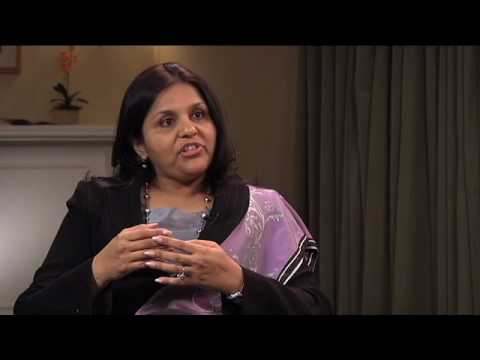
Suneeta Reddy: 'Medical Tourism Is a Huge Market'
Ask about Knowledge at Wharton
Episode Description
Medical tourism -- the phenomenon in which hospitals in emerging markets offer "sun, sand and surgery" at low prices to patients from North America and Europe -- is gaining in popularity. While India lags behind countries like Thailand as a result of airport infrastructure and other bottlenecks, health care providers such as Apollo Hospitals are expanding at 10% a year. In an interview with India Knowledge@Wharton at the recent Wharton India Economic Forum in Philadelphia, Suneeta Reddy, Apollo's executive director of finance, discussed the company's opportunities and challenges in this fast-growing market.
Read the full transcriptHide the full transcript
- this podcast is brought to you by Indian knowledge at Warton please visit knowledge. won. up.edu India for more
- information India imagine was the theme of the 2008 Wharton India economic Forum
- that was held in Philadelphia recently the dayong event attracted several leaders including apj Abdul Kalam former
- president of India as well as CE EOS of Indian companies nonprofit groups Consulting and private Equity firms
- Indian knowledge at Wharton brings you one-on-one conversations with these leaders today we are speaking with
- Sunita ready who is Executive Director of Finance at Apollo Hospital Enterprises and she's also on the board
- of focused health insurance company Apollo dkv uh sonita thanks very much for joining us today my pleasure uh how has
- medical tourism grown over the years it has grown uh I wouldn't say substantially but it's
- grown by 10% um initially 10 years ago you know AP poloo started uh focusing on patients outside
- of India and um it didn't happen with marketing it was more of a pull of customers towards good quality medicine
- rather than marketing and pushing them through advertising and marketing the reason that it happened was that around
- southeast Asia people people began to see a value proposition which was high value in terms of clinical outcomes high
- quality Care at one/ Tenth of the cost of what they would pay in the unit traditionally pay in the United States
- and 1 fifth of what they would pay in the US and probably onethird of what they would pay in a country like
- Singapore so we started attracting to patients from all over southeast Asia as it progressed you know people began to
- realize that the India story where Healthcare was concerned was improving dramatically just 2 years ago we got the
- jci accreditation which is which puts us on par with hospitals in the rest of the world you
- know shoulder-to-shoulder with the Mayo Clinic and Cleveland Clinic and with that we started getting patients from
- the West as well um most of them use you know the internet as a medium through which you know they fix this uh their
- appointments and arrange Consultants with doctors but again it's it's this value proposition that is really driving
- consumers and I would say that currently 10% of our total revenues come from medical tourism now that's not really a
- large amount and it's grown by 2 to 3% um they are obstacles in the way of this happening one is that you know our
- airport facilities I mean if you look at the hospitals that are really doing well
- they're connected to international airports and you know they're about maybe 50 to 60 flights compare us with
- Thailand there 260 flights international flights flying into Bangkok every day and that makes it really easy for
- patients to go to Bangkok for medical tourism whereas if you compare that with the Chennai where our largest hospital
- is there are about 15 flights and I think one is you have to look at the airport infrastructure the second thing
- that you really have to look at is most of the work that comes to India is of a you know the case mix is is Ser care and
- acute care it's not the plastic surgeries that you see in in a in Bangkok it's the high-end Orthopedic
- work it's Cardiology some of it is oncology so they come for the really high-end work and to do that because
- we're recognized for that sort of work to do that it's it is quite uncomfortable for patients to make this
- journey and we need to smoothen out that process you know the 12 hours and 14 hours and the immigration and Custom and
- we're working at that when we now have people at uh you know to facilitate and assist these patients as they come
- across uh finally I'd like to say that that there is a huge opportunity here because if you look at the us alone they
- 40 million us who are who are not insured if you look at the UK there are about 250,000 Asians who are not who who
- are in the waiting line with NHS so this is a huge market and I believe that the
- way to address this Market is to create a package that will enable them to use Indian facilities we tried talking to
- governments and saying you know why don't you send patients who don't have treatment who have no options to
- India but then again uh we've spoken to benefits companies Etc I think the only single hurdle facing the US and foreign
- patients coming here is a legal liability and the fact that they cannot address uh their concerns through a
- legal Forum in the United States whereas they could use the Indian legal system but um it's become a way of life that
- people want want to have that uh the legal system to back them up in case there is a problem now the incidence of
- problems is is not even 0 1% so far because a successfully it's a very good clinical outcomes are so good and we are
- jci accredited and patients have the same rights that they would in the U that they would in the US they would
- have in India so they are protected but I think it's it's just a hurdle that we need to overcome and once we've done
- that I think you know we will be tying up with insurance companies we will tie up with Benefits companies and to see
- how we can we can really assist people who need that type of healthare have you seen a discernable increase in in your
- Western clientele over the past few years I know the story story has been out for a little while now I was just
- curious to know if you've seen yes yes we have seen you know there has been a rise of about 5% and what do you
- attribute that to then if it's difficult say to to access uh these people through
- Insurance programs or through the government is it direct advertising you mentioned advertising earlier it's not
- at all advertising it's the fact that you know people are so confident that their clinical outcomes will be good and
- uh it's testimony from patients whove who've went through the whole process that is actually like I said it's it's
- pulling patience to the system because uh we don't Market I mean you don't see advertisements but we are now working
- with CI and CIA is a confederation of Indian industry which is doing the brand India you know there is a brand India
- foundation and they have a come they have a campaign called incredible India so I work with them and we are now doing
- experience Indian Health care and it's just launched you know we just launched that campaign and hopefully we'll see a
- lot of results happening from that great uh your program uh combines uh elements
- of both Western care and also Eastern medicine I no this in a lot of your materials you advertise the point that
- there's centuries of Eastern Medical Practice that you rely on as well can you talk specifically about how some of
- those things what some of those elements are yes now we do believe in an Integrated Health care uh package in
- that sense we talk about allopathy in you know for the actual treatment in terms of surgery um diagnosis Etc but
- where rehab is concerned and where well-being in is concerned we you know we've tried to integrate the systems of
- ayurva and yoga and uh it has helped because when patients go back they need to readjust to a lifestyle that talks
- about continuous well-being being and um and really I think the key here is um I believe there is a lot of
- value that we will get from ayura and and yoga certainly a big Market in the US too now or at least a growing Market
- it is it is uh it's it's strange but when panjali discovered yoga thousands of years ago there were very few Indians
- practicing it and now that it's such a r 6% of the world today practices yoga and a lot and it's become famous because
- it's you know the movie stars in the west and uh people all over America are doing it and now it's come back to India
- and people are now saying okay it should become a way of life Aura is the science
- of life right so you're you are one of the largest Health Care Systems in in India correct yes we largest and so I
- guess one question would be uh about your community ini do and how you're reaching out to poor populations can you
- tell us a little bit about sat which which the acronym stands for save a child's heart and maybe some of your
- other community initiatives as well yeah uh I'll start with such uh such is save
- a child's heart it also means the truth in Hindi um the reason that we started such is that you know we came across so
- many children who had heart disease and we believe that if an intervention at that stage you know when the child is
- Young will give them a more productive future so we said let's do something for children and make them productive adults
- because that's what India really needs and um we started this Foundation where the hospital does everything free of
- cost the consumables act the money for the consumables come from donations and uh people have really done
- you know have donated in a large way so far we've completed 500 free surgeries and our Target this year is to
- do 1,000 every year and the surgeon does not charge and the hospital does not it's just 50,000 Rupees for the
- consumables which come as a donation so people find it not so difficult to give a check for 50,000 especially when you
- know you're saving a child's life and you're assuring him of a good future ahead sure the second thing that we do
- is this Outreach to at a village level you know where Healthcare is not available we really wanted to create a
- sustainable model not really to do it as Charity but create something that was sustainable for the future so we uh in a
- small village in chur in fact your President Bill Clinton inaugurated this initiative out of aragonda we set up a
- small Hospital which was a primary care facility we connected it through tele medicine through our T to our tery Care
- Facility so and then we created an insurance product which was one 1 rupee a day
- which allowed people access into the primary facility so what would happen is if they fell sick they would be treated
- here they wouldn't have to pay anything except for the one rupe a day 325 rupees
- um and they would be if they needed some tertiary care work they would be connected via Tel tele medicine to our
- specialist in the main hospital and they would only have to travel or come come to the city when they needed acute care
- and I think it was it's an excellent model currently we have 64 tele medicine centers that connect us to you know to
- many centers in India and we are going to work on this model and set up more of these Primary Care initiatives the third
- thing of course that we do are these camps where we go into the villages and Screen them for cancer and you know
- India is the only country where cical can cancer still exists and oh cancer is a big it it the numbers are just growing
- exponentially and we believe that early intervention and screening is one of the
- ways to check the growth and you know mortality from cancer so there are many camps that we do out you know from each
- of our hospitals that have to do with cancer screening the fourth of course is to do with Wellness because preventive
- Healthcare is a big as aspect of healthcare you know it will be a$1 trillion industry in the next 5 years
- and without looking at it from the industry Viewpoint I think healthcare education is important and AP poloo
- tries to do that through its preventive healthare schemes and our uh Outreach programs where we do these checkups in
- villages right now what would you identify as the biggest challenges facing the industry looking forward I
- think you know two challenges is the main of course is skilled Manpower the fact that the government has not allowed
- for the corporate corporatization of of you know colleges they still function at a trust level
- which means that you know people either pay capitation fees and the number of seats are so limited by state
- governments health is a State subject so there's a dichotomy there whereas it should be something that you know
- there's a central policy on on it's not a fundamental right that people get healthare you know it's it it is very
- much so in each state there's a separate policy and I believe that the need for healthcare education is tremendous one
- is for for people to learn about healthare the second is of course is to get skilled manp part and I think that's
- a huge challenge because now our nurses are going to the us our doctors are migrating to the US they're going they
- have been going to the UK in the us alone you have 40 ,000 of the doctors trained in India at a subsidized rate
- because these hospitals are trust hospitals and they they really don't pay that much but um we we really need to
- double the capacity in terms of training colleges because if we going to create the 880,000 beds that are required for
- us to meet the wh Norms then we need to staff those 880,000 beds I think the second issue has to do with uh with the
- high cost of real estate because set up a hospital um you need real estate you know you need land and uh the way the
- prices have almost doubled traditionally it was 40% of project cost and now it's
- moved to 65 and I think we need to set up a healthcare reat like you have in the US to overcome this hurdle right
- well thank you very much for speaking with us today you're most welcome for more information please
- visit knowledge. won. up.edu SL [Music] India
Brief Summary
Sunita Reddy discusses medical tourism growth, healthcare integration, and community initiatives in India during this episode.
Key points
- Medical Tourism Growth. Medical tourism in India has grown by 10% over the years, attracting patients from Southeast Asia and beyond.
- Community Initiatives. Apollo Hospital's 'Save a Child's Heart' program provides free surgeries for children with heart disease.
- Challenges in Healthcare. The healthcare industry faces challenges like skilled manpower shortages and high real estate costs.
Episode highlights
- Medical Tourism GrowthMedical tourism in India has grown by 10% over the years, attracting patients from Southeast Asia and beyond.“High quality care at one-tenth the cost of the US.”1:36Jun 26, 2008
- Community InitiativesApollo Hospital's 'Save a Child's Heart' program provides free surgeries for children with heart disease.“We've completed 500 free surgeries and aim for 1,000 this year.”10:02Jun 26, 2008
- Challenges in HealthcareThe healthcare industry faces challenges like skilled manpower shortages and high real estate costs.“We need to double the capacity in terms of training colleges.”14:13Jun 26, 2008
Episode quotes
Tension
45/ 100Some tension