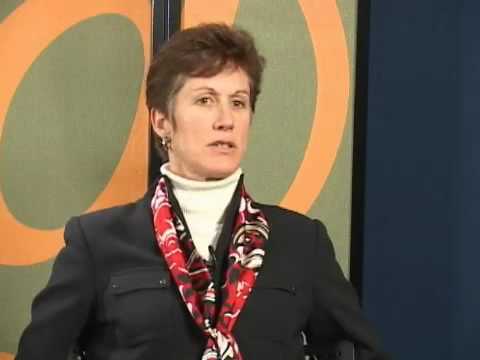
Aegis's Sandip Sen: Understanding the Full Spectrum of a Customer's Business Needs
Ask about Knowledge at Wharton
Episode Description
Delivering services globally across several locations and understanding the full spectrum of a customer's business needs are the new imperatives in business process outsourcing, according to Sandip Sen, president (Americas) and chief marketing officer of Aegis, a Mumbai-based provider of business process services. Telecommunications, health care and financial services are the top three areas for outsources services, he says in an interview with India Knowledge@Wharton.
Read the full transcriptHide the full transcript
- [Music] sandip thank you so much for joining us today thank you uh wanted to get your
- sense of uh how things are coming along in the uh Outsourcing World these days uh uh as we know the world has been
- through uh a financial crisis and an economic crisis uh how did that affect the Outsourcing business and where are
- the opportunities these days I think the Outsourcing business uh has had a paradoxical uh relationship with the
- economic uh crisis a lot of the large firms which were Outsourcing some of them went into
- trouble talking particularly of the bare STS of the world Etc so obviously the Outsourcing they did uh could affect it
- but what happened as a result of the crisis was people obviously looked at their balance sheets and said hey we
- need to you know make us more efficient reduce costs and a lot of firms who were
- not Outsourcing or at the very early stages looked at both Outsourcing and offshoring so a lot of companies who
- were not in the Outsourcing Paradigm came into the Outsourcing so that was one the other thing is companies like us
- have globalized so we are today in multiple countries and multiple geographies and uh what we've now
- realized is that so we are very big in India and the Indian economy still grew in spite of the uh the economic crisis
- we are big in uh for example in South Africa which saw a growth that helps you kind of you know mitigate your risks uh
- so the US is not just the only player in the market so I saw two Trends one was of companies which were not very much
- Outsourcing being either forced to Outsource or thinking of Outsourcing or embracing faing that Paradigm and one is
- that if you are completely diverse then you have different markets which are growing at different levels so overall I
- think uh uh you know we didn't do that badly the industry uh didn't have the kind of growth that it had in 2007 but I
- think 2010 you will see much more robst growths for the industry also can you give me a greater sense of aes's
- operations and the kinds of verticals in which you are active and again where do
- you see the opportunities going forward so ages is uh today uh one of the you know one of the paradigms we said is
- we've got to be Global in the global sense of the word so we have you know we kind of follow the Sun as we call it we
- have operations in Australia we have operations in Philippines we have India and Sri Lanka uh in Africa we have South
- Africa and Kenya uh we have in the US and then we have in Central America uh we have about 40,000 people uh in all
- these locations uh a primary Paradigm is what we call the customer life cycle management so from the time the customer
- comes into the system to managing him to customer service to customer retention to collections to customer data analysis
- so we we do there and within this Paradigm of customer life cycle analysis we are doing a lot of work for Telecom
- Financial Service Healthcare and travel and entertainment so those are really the big verticals I think there is uh
- growth in each of these sectors Telecom is booming in most of the world in India
- and Africa uh Financial Services is something which is growing uh everywhere and even in the
- US there is a greater propensity to Outsource Financial Services again because of cost and efficiency play uh
- health care I mean there's a huge you know with 32 million people who are going to get insurance over the next 10
- years there's a huge scope so for us the scope is going global uh frankly our our our motro has
- been by saying wherever there is economic commerce between people you need uh BPO so so our aim is to be at
- 195 countries uh we currently at 15 uh theoretically at least and we are moving so we see scope in new geographies and
- each of these markets we see a huge scope as we go forward that's interesting can you give me an example
- say in the Telecom space of the kind of uh jobs that are coming your way and how
- do you compete with you know some of the more uh the the larger Outsourcing companies uh that that have been uh you
- know perhaps uh building their brands in this space for a long time I think in Telecom uh uh we've been doing this for
- a fair bit of time uh both in the US in Australia and UK and in India I think we
- again on the customer life cycle we do the entire bit we do a lot of customer acquisition through a variety of ways
- whether it is Voice or email or direct mail we do customer support uh we do tech support we do a lot of back office
- so tomorrow if you want to say hey I need a cell phone connection let's say a prepaid connection then there is a lot
- of activation we to be done before your cell phone starts working or you are activated in the system so we do all of
- that our work uh we then do uh collections uh we do customer retention so again uh you know we do we do the
- entire process uh uh you know for for chelom uh the other question that you asked I think in a lot of countries like
- India we have a huge recognition I think in in in the US and we are a we are a multinational company but we are based
- in India and we indian-owned but we have 5,000 people in the US and that's something I think we've got to build the
- brand a little more let people know that listen this is a 40,000 people company and a company which has 5,000 people in
- the US which really even the big it Majors like an infosis or VPO will not have so yes I think it's a little bit of
- brand recognition and brand building uh that we also uh need to do how how are you going about building your brand I
- think in a variety of ways uh one is to look at industry formats so recently there was the International Association
- of Outsourcing in Florida so we were very prominent there the IOP as we said we take part in a lot of uh Niche
- industry events like the healthcare we took part in a couple of conferences Telecom uh collections debt that's
- number two third what we are doing is we are also trying to uh uh you know look at it we we we we spoke at a frost and
- Salan conference I spoke we're very big with nascom we try to do a collaboration
- between nascom and here in the US so primarily using industry forums industry bodies trade uh exhibitions and of
- course uh being present say at a school of learning like won are all part of helping to build the brand uh well uh uh
- one of the points that was made uh during an earlier session at the Borton India economic forum is that in the BP
- space uh it's very clear that the the the emerging trend is no longer related to uh labor Arbitrage uh you know or a
- race to a bottom for the lowest price uh that much more the competitive Advantage is Shifting towards value
- added Services uh and and building Greater value through providing new and Innovative services to clients uh to
- what degree do you see that happening in your portfolio of services and can you give us any examples so I think I would
- uh say you know this value added Services is a bit of a cliche uh I think the the trick is to do both today what
- has happened and you're absolutely right uh you know the the lowest cost is is not just the value proposition and in
- fact India is not low cost anymore there are countries which are low cost than India but I think there's a market for
- doing a kind of work where you get huge economies of scale there are good margins in the business and what we've
- done in India to keep the cost Advantage for example move from a tier one city to
- a tier 2 city which is a huge cost advantage to see that we we have a cost advantage and I think that's that's a
- business and that's Pro so you know there's no good or bad business it's a business is it profitable does it make
- sense but having said that it's important to have a much more holistic relationship with the customer and
- therefore you need to do much more than what you're doing so just to give you an
- example in all these processes uh let's say let's do something let's say in the financial services sector we started
- with customer support and voice but now we do processing so we do claims processing uh we do uh uh you know
- things like like uh uh medical coding medical billing so you you know once you've been engaging with the customer
- you've got a foot in the door by maybe which is not the highest value but that allows you to work with the customer
- understanding his process understanding his business you can then do much more of that business so if you look at us we
- started as a call center uh 5 years back 100% of a business call center today it
- is less than it's about 65% 35% of it is back office processing data analytics which we started to do and I think so I
- think not to completely ignore I mean you can make a nano and a Jaguar is our philosophy uh so you keep doing that do
- it at do it at the right cost get the right margin but with your new existing customers new customers give them a
- variety of services so that you have a holistic relationship with them so that you have relationship at multiple points
- and that makes the business more sticky at the end you know you raised a very interesting point about about managing
- your costs by moving to the you know moving away from tier one cities to tier two two cities uh and also the fact that
- uh the Outsourcing business India is no longer the the lowcost provider uh do you have the skills As
- you move from say one Center to the other do you find enough people with the kind of skills that are needed to do the
- kind of work you do and also globally which are the emerging centers for BP and uh that that offer the kind of value
- uh best value for uh money and what does this mean for India as a comparative uh
- source of Advantage so I think yes it's import uh you know you need to choose the right centers uh in some of our
- centers for very specialized work we've taken people from outside who come in uh
- you know who stay there so uh for example uh we wanted uh you know we do some work uh for French speaking uh for
- some European company now you know and we then we realiz whether we do it in a Bangalore or say a smaller City like
- myour it's still difficult to get the same guy so we've got a lot of people from the Ivory Coast which is a French
- speaking nation and they speak French so we said it doesn't matter whether we relocate them to Bangalore myour but
- myour is cheaper for us and so you need to do a little bit of management but you
- need to choose the right City so there are lowcost cities which have good universities so two in the South I'm I'm
- mentioning a couple of cities like myor and Mangalore good University Systems you get students St uh so that that that
- is that is something that you have to choose and clearly do the other thing is uh uh you know U countries like uh let
- us say uh Sri Lanka countries like Vietnam countries like Kenya countries like Ghana so we have an operation in
- Kenya uh which is another lowcost country uh good Affinity to the UK uh we we've just been exploring Hana Egypt uh
- you know we've been looking at operations in Egypt so some of these are are markets
- uh where there is uh which are other lowcost markets uh which can certainly uh work with India and be a challenge to
- uh the cost structure at least in India uh how serious is the policy challenge these days uh especially when
- governments start funding uh businesses which seems to have happened quite a bit uh in the
- aftermath of the financial crisis uh politicians are always concerned about jobs uh uh has that made the policy
- environment any more difficult for boo companies these days so I think I think uh there is there is there is a little
- bit of a challenge but there is also a little bit of difference between rhetoric and reality uh politicians of
- any stripe anywhere in the world are concerned with public opinion and therefore we need to be sensitive to it
- but also uh companies whether government funded or otherwise have to be profitable so there are two kind of
- Divergent strains of thought so Outsourcing has continued but uh we believe u also that listen if you are
- out offshoring from the US you should have a presence in that country so we have grown our us presence we believe
- there are certain kinds of jobs which have to be in the US because of security reasons because of policy reasons and
- frankly When in Rome be like Romans so our policy has been yes it will not fundamentally affect the shift to
- Outsourcing but we are sensitive and we believe that if there is a country where
- there is a lot of business we are getting say in the US just just to give an example we need to have a big
- presence in the US and we need to see how to grow that presence and that's what we are doing uh just one last
- question if you were to look out over the next four to 5 years uh where do you see ages going and uh you know where
- would you want to be I think I see ages being more Global I think we want to be truly Global uh
- because for two things one is there are opportunities in every market and for us
- one of the differences as opposed to other companies is we look at the local market in these
- countries one of the reasons we've grown is that we are by far the largest call center in India and the largest BPO in
- India so we've taken the Indian market we are very big in the South African domestic market and that's a growing
- market so we see multiple geographies a to give a customer a choice uh say a Us customer where he wants to be number two
- to grow the local market uh so that's one thing we want to do I think we've been growing in size uh I think our
- choice has been to even on a revenue number to be over a billion dollarss not so much for the number per se we are
- currently about 700 million uh because I think if you are large if you have the scope and the size then you get a seat
- at the table for any major Outsourcing that happens so I think that's really our scope to be credible and large in
- size and to be truly Global thank you so much for speaking with us really been a
- pleasure thank you
Brief Summary
Sandip discusses outsourcing trends, Aegis's global operations, and the industry's shift towards value-added services.
Key points
- The Paradox of Outsourcing. The outsourcing industry faced challenges during the economic crisis, yet paradoxically saw growth as companies sought efficiency.
- Global Expansion Goals. The company aims to expand its operations to 195 countries, currently operating in 15.
- Shifting Value Proposition. The outsourcing landscape is shifting from cost-cutting to providing value-added services.
Episode highlights
- The Paradox of OutsourcingThe outsourcing industry faced challenges during the economic crisis, yet paradoxically saw growth as companies sought efficiency.“Companies not in the outsourcing paradigm came into the outsourcing.”1:25Oct 19, 2010
- Global Expansion GoalsThe company aims to expand its operations to 195 countries, currently operating in 15.“Our aim is to be in 195 countries; we are currently at 15.”4:00Oct 19, 2010
- Shifting Value PropositionThe outsourcing landscape is shifting from cost-cutting to providing value-added services.“The lowest cost is not just the value proposition anymore.”7:33Oct 19, 2010
Tension
40/ 100Low tension