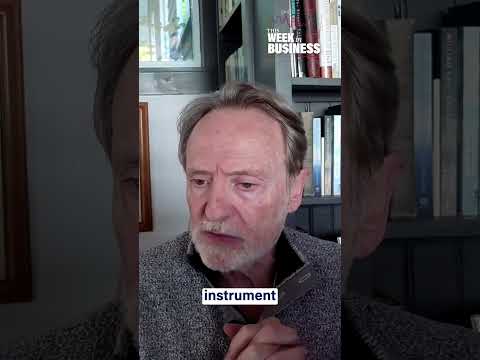
AI in Human Resources – Wharton Professors Matthew Bidwell and Sonny Tambe | AI in Focus Series
Ask about Knowledge at Wharton
Episode Description
EPISODE OVERVIEW While workers are looking at AI to boost their productivity, so are managers. Wharton professors Matthew Bidwell and Sonny Tambe – faculty co-director of AI at Wharton – join Eric Bradlow, vice dean of Analytics at Wharton, to discuss AI’s transformation of human resources (HR), offering guidance for managers and decision-makers on ways to leverage AI to improve the workplace while dealing with uncertainty and other rising concerns. This interview is part of a special 10-part series called "AI in Focus."
Topics and questions covered: 00:00 - Introductions 1:23 - How will AI impact how we manage people? 4:57 - Concerns over AI in human resources 7:38 - What is unique about today's AI? 10:24 - How does AI know which problems to solve? 14:14 - Potential applications for AI 18:47 - Which jobs at risk? 22:05 - Profs. Bidwell and Tambe use of AI in the classroom
SERIES OVERVIEW The artificial intelligence revolution is officially upon us. Hear from host Eric Bradlow, Vice Dean of Analytics at Wharton, as he meets with Wharton faculty experts across a wide range of business domains – from healthcare and neuroscience to sports and the auto industry – to learn how AI will impact these fields moving forward, and what we can do to stay ahead of the curve.
----- The Wharton School of the University of Pennsylvania is committed to sharing its intellectual capital through Knowledge at Wharton, the school’s online business analysis journal.
Launched in 1999, Knowledge at Wharton offers free access to:
- Articles, podcasts, and videos highlighting Wharton faculty research and analysis of current business trends - Interviews with book authors from Wharton School Press - In-depth series of curated content like Wharton Executive Education’s Nano Tools for Leaders - A searchable database of more than 10,000 articles covering all aspects of business - A weekly newsletter that delivers Knowledge at Wharton insights directly to your inbox
Visit the Knowledge at Wharton homepage: https://whr.tn/3qUpSBE Subscribe to the Knowledge at Wharton YouTube channel: https://whr.tn/3DEAgAU 📂 Management;Human Resources;Technology;AI 🏷️ Research;AI in Focus
Read the full transcriptHide the full transcript
- welcome everyone to the current edition of the Warton AI SiriusXM podcast series
- here on artificial intelligence I'm Eric bradow Vice dean of analytics here at the Wharton School
- also the KP Chow professor of marketing statistics and data science today's episode as all of our episodes are is
- sponsored by analytics at Wharton and AI at Wharton and today we're going to talk
- about a topic that I think it's hard to walk down the street or talk to anyone in business and not have them speak
- about which is AI and Human Resources so I'm here today by two of my colleagues the first is my colleague from the
- management department Matthew Bidwell Matthew is the Shing Jang and Y da Professor a professor in the management
- department he's also the faculty director of a center that's a big part of analytics at Wharton Wharton people
- analytics initiative and he's also the academic director of Wharton Center for human resources program Matthew welcome
- here to our show thank you very much for bringing me on Eric a it's great to have
- have you here I'm also joined by my colleague Sunny Tay Sunny is an associate professor of operations
- information decisions at the Wharton School and also teaches many of our courses on AI so Sunny welcome to the
- show thanks thanks for having me it's great to have you both on such an important topic so let me start with the
- beginning Matthew maybe I'll start with you um how since you're one of the you are the faculty director now of Wharton
- people analytics um how do you think AI is going to affect the way that we manage people what are both the concerns
- that you have and in equally importantly what are the big opportunities uh big question I mean
- obviously we need to think a little bit about how we Define ai there's kind of you know these days when we think about
- AI we kind of leap straight to chat GPT and large language models and so on or what people a lot of people would call
- the generative AI part where the computer the large language model is generating a response yeah um yeah if
- you look back historically last five years um people have used AI almost to describe anything that involves numers
- so it's it's a broad range um yeah I think with any of these Technologies as ever there's a lot of opportunities to
- kind of improve how we manage people uh when we look at how people are managed so much of what goes on is kind of gut
- decision making this kind of intuition and we have pretty much a century of research suggesting that our guts are
- terrible decision makers that actually there's a reason why we should be thinking with our brains rather than our
- stomachs um and so more broadly when we are more systematic when we are more thoughtful when we rely on data in
- making decisions who do we hire who do we promote how do we manage people all those sorts of things we usually make
- much better decisions and so I think the extent to which AI helps us be more systematic in doing that um it's going
- to be really helpful it's already being helpful there are obviously big concerns
- um I think kind of three spring to mind um so one big concern everybody has is bias
- and discrimination um again we know there's a lot of bias in the labor market we
- know our guts are discriminating all of the time um yeah the good news is probably most of the time AI is going to
- be less discriminatory but we think it's going to be discriminatory um you know particularly when we look at some of
- these more sophisticated large language models right they have been trained on the Corpus of data that is out on the
- internet even when people aren't being deliberately sexist and racist um that embodies a whole set of cultural
- assumptions so take sexism for example there's been some very nice studies that kind of look at word embedding models
- and other things that are trained on kind of the Corpus of text you see on the internet and they show not
- surprisingly that we think words to do with careers are more closely related to men's names and words to do with kind of
- home life and family more closely related to women's names and so once you start using those models to make
- decisions about employment I think the risks of bias and discrimination are very serious um and I think one of the
- things we worry about particularly more generally with kind of using algorithms rather than judgment in managing people
- is if you have a manager that discriminates that's a problem for the people working for that manager if you
- have an algorithm discriminates the fact that I can apply a hiring algorithm at scale across an entire company across an
- entire industry the sheer volume of people that are potentially affected is huge um so I think that's one of the
- advantages of scale and the disadvantages of scale yeah and so I think that is I think that is a very
- live concern um if I can go on a little bit just talk about my other two concerns um I know we have many other
- questions but I think another couple of things that we're thinking about um algorithmic algorithms like any
- technology have often been applied in a fairly punitive way in HR um so I think the the classic example of this is
- scheduling software um and so with scheduling software it's very tempting if you're an engineer sitting in kind of
- your office trying to do the right thing you're like how do I increase productivity and the way I increase
- productivity is by carefully matching people's schedules to shifts in demand during the day and so I'm running
- Starbucks I want to give somebody a shift that starts at 7 in the morning and then runs till 10: well by then
- we're through with the kind of office rush and then I want them to go away for a while so I don't have to pay them and
- then maybe I want them to come back between 4 and 6 and so what you find is these schedules end up creating
- schedules that are great for the company but have proved terribly damaging for the people who actually have to try and
- fit their lives around what the algorithm thinks and probably frankly end up causing long-term damage in the
- organization as well because you maximize that match between supply and demand but you end up driving up
- attrition as people won't stay with those sorts of schedules and so I think there's a broader issue I mean it's
- always ATT tension in managing people you know how much do you take into account kind of what those people think
- but I think when you have people managed by AI you have a bunch of assumptions that have being baked in by the
- schedulers by the engineers whoever they are increasingly detached from what's going on in the ground and I think that
- that often leads to some really bad and disrup Ive decisions and so I think done
- well we can incorporate a lot of these algorithms um and you know manage people better but it does require us to really
- think about how these algorithms are being used and have kind of that closed loop so we engineer something and then
- we say okay what's actually happening and we're very alive to the problems it's creating and go back and
- re-engineer it I think when you kind of just sit down do an optimization problem
- then kind of put it out into the world and let everybody suffer the problems um that
- creates a lot of damage too so those are some of the things I'm worrying about I
- think one of the things that we always talk about is that you know first of all what is the objective function you're
- optimizing that's the first thing and I think we would all agree and I'll turn it over to sunny in just a second would
- be you know these things should be a decision support tool the minute you automate them you have those dangers of
- you know it up you know if you'd like maximizing some objective that may not be good for the employees and certainly
- may not be good for the firm so Sunny let me turn things over to you since I know for a number of years you've been
- one of our Pioneers in teaching AI to our students um what's changed like why are things so why is everyone so excited
- today you know I'm a statistician I've been here at Wharton for 28 years we've been doing you know kind of big data
- science for a long time what's unique and what's changed about today that's made I'm sure everybody want to take
- your class everybody be interested in every single thing you're working on so I I think you I I think you know you
- touched on it just a second ago uh but this this this tension between a decision support which is what a lot of
- technology has been doing for a few Generations now moving to this world uh potentially um either recommending a
- decision or even automating decisions and that that's you know what we do at work all day what we do is make
- decisions right and that's what businesses do organizations are are optimized to do and so a technology that
- can uh Ser as that that can make decisions or recommend decisions has implications uh for all parts of the
- organization people compare it to you know electricity has a potential to change everything so I think that's one
- part of the uh the reason that people are energized about uh this particular topic uh the other thing that's that's
- exciting but also somewhat concerning is that I think there's more unpredictability right now around AI
- than there has been for tools past right so we think about as we scale up these models people are seeing more emerging
- capab capability that they would not have expected so let me press you on this just this one topic for a second so
- I can imagine uncertainty in a few things one is um I type something into a large language model chat GPT Bing AI
- Etc something comes out I type the same thing in maybe something doesn't the same thing doesn't come out so that we
- could call that in the measurement literature test retest reliability that's one possibility one is sunny Tay
- changes one word in the prompt prompt engineering if you'd like something radically different comes out what form
- of uncertainty are you talking about or maybe it's the measurement one that I think about or maybe it's a different
- one right no for when I when I think about uncertainty in this context I'm thinking about the uh the question of
- where these uh Technologies can add value to the jobs we do right and so if I as a person who uh designs jobs or an
- organizational planner thinks about where it fits in uh the answer is changing in ways that I think are a
- little bit unpredictable and so if we think about what it can do now what it can do uh tomorrow uh even the people
- who are at the frontier of this technology find themselves quite surprised these days that we didn't
- think it was going to be able to do that and so that kind of uncertainty um combined with the fact that it has the
- potential to affect decisions everywhere uh have have have a lot of potential for
- you know sort of thinking for for for change uh in ways that we don't exactly know what's coming but it's is
- energizing in a way so Sunny maybe you could just clarify something for me and for all of our listeners here on our
- show um the things that generative AI models can do they don't I mean the algorithm
- itself the statistical engine itself doesn't just come up with it right I mean somebody has to have programmed it
- to be able to do a certain type of problem it's not like it generates solutions to problems it just generates
- let's say you wanted to you wanted your AI engine to make some decision about how to optimally schedule something
- which Matthew said somebody a programmer somewhere had to have said this is a problem this AI engine should solve it's
- not like the AI engine searched around the world and said let's solve time card scheduling problems the algorithm
- doesn't decide the problems humans help the algorithm decide which problems to solve right humans on the input side
- absolutely do tell it do help it understand what problems to solve at the same time they're incredibly general
- purpose so what capable and flexible enough to solve is is quite quite impressive yeah I know Matthew you
- wanted to jump in here and talk about kind of this this idea of kind of the breath of problems and what the future
- might be I mean well I think kind of on the uncertainty piece I think it's it's very interesting I mean Sunny knows much
- more about this than I do just for anybody listening at home so I'm kind of mainly curious to hear what he thinks
- but I mean STS me a lot of the uncertainty is is how good they're going to get how quickly I mean I think you
- know you said and we're all talking about it and everyone wants to talk about it it's partly because we're all
- so surprised by kind of just the leap in capabilities over the last year um of these models kind of just blowing
- through the touring test in a way that we thought was a long time off but the big question is have we now reached
- another kind of plateau where you know at which point you kind of say these are neat tricks and they can do some things
- quite well but the lack of accuracy the hallucinations all of those sorts of things are we ready to turn over large
- processes to them wholesale I'm not sure or they're really going to improve and the thing it makes me think about is
- self-driving cars I mean I remember like s or eight years ago when we were thinking about buying our next car I
- thought this is the last car I'll ever buy because you know by the time I'm ready to buy another car all cars will
- be self-driving you know there will be no steering wheels why would we have them and it turned out
- you could get like 90% of the way but that last 10% proved really hard and so the question in my mind is great Point
- could we see something similar or do we think really they are going to keep improving at this rate yeah no
- absolutely I 100% agree I the challenges with all these tools right is are that and you mentioned this I think a little
- bit when you talked about bias discrimination and managers is that all these tools are embedded in a context
- where we have I don't know 200 250 years of infrastructure about what to do when
- a manager gets it wrong right we understand how to deal with human decision error anytime you're talking
- about putting one of these tools in place which include self-driving cars it includes large language models and it
- gets it wrong we don't have that legal organizational infrastructure and that has been an absolute uh has been a
- constraint and I I suspect it will continue to be so we may well have hit a plateau it's just that whenever I think
- about what the future is going to bring with these tools you know I think this is if I think about the history of
- science a little bit this is uh somewhat rare in that you have a situation where
- where you have a tool that can do certain things and the scientists are not trying to figure out how it works
- right that hasn't happened very often in history and so this uncertainty is what
- I I tend to tend to caveat some of those comments because of that uncertainty which is new I think when you compare it
- to other technological innovation so let me ask you both next about what I'll call application areas that you think
- are let's be positive people are about extremely positive so for example one area that Matthew you already mentioned
- was about hiring let me let me ask you the following if the following would be a good example or a bad example so I'm
- even going back to my days so prior to coming to Wharton you two may not know this I was at the educational testing
- service in Princeton and we were working on automated scoring algorithms for essays long time ago people may not have
- called it AI but we were ingesting the words and trying to construct scores but not for the purpose that when Matthew
- Bidwell takes the SAT that's the score he's going to get but how do I use humans in a most efficient way when I
- have millions of essays to score how can I use an engine to basically do a first
- pass algorithm and then humans will come in on the really tough ones so let's take hiring as an example but you use
- any example you want why can't I use an AI engine to do a first pass algorithm to look at a thousand résumés that I get
- for a job 950 get pruned off by the algorithm and then the 50 that seem to have the credentials that match what I
- want I then use humans and intervention to go in so do you have any concerns about that two-step process now bias and
- discrimination Can Happen by the algorithm so maybe there's some in that 950 but what do you think about that and
- also if you have a better example than mine I'm sure our listeners would love to hear no that's great I would totally
- do that um so and I actually I mean there' have been some experiments with this um generally they've worked out
- reasonably well I always say it's not some I'm it's not so much that I'm a huge AI Optimist I'm just human skeptic
- um so I mean think the challeng is when you look at people how people actually make hariring decisions it's so
- haphazard that hariring actually I think is one of the places where this tends to
- work really well now I mean we can get back to that question about kind of is it decision support is it actually
- making the decision I mean one thing just to be aware of is I think in practice that is a very fine line I
- think most of the evidence is people tend to do what they're told um and so frankly if the algorithm says
- you should hire this person most of the time that's what they're going to do and
- so you can't you know kind of when we say well there's a human in the loop so it's okay yeah but are they really I
- mean once they've been told this is the right way to do it they're going to largely follow the advice but yes I'm
- actually I I think that is one of the better places I think there are concerns about bias um my guess is in the vast
- majority of these cases the bias of the AI is still orders of magnitude less than the biases of the human rers so I'm
- I'm reasonably bullish on that as a case so Sunny what's your thought on both the
- example I gave Matthew just talked about and maybe what do you think is the most
- promising area where AI can have a transformative effect on human resources today I want to underscore and pick up
- on something you said which is Let's Be You Know positive people I think the uh framing of the conversation uh in the in
- the broader uh the Press uh maybe has been too much uh Zero Sum with employers and and employees or or manag
- and and workers and and and there may certainly be some of that but there uh it seems that there's a lot of
- opportunity to use these tools in a way that um enhances employee experience enhances employee well-being I was
- talking to an executive last week um that's using generative AI to write performance reviews and first of all it
- saves them a ton of time but the second thing is that they're able to use that excess time to do one-on-one mentoring
- and coaching uh so there are a lot of opportunities to maybe improve and they also by the way uh provide more frequent
- performance reviews so it's almost on a monthly basis instead of by anual so lots of opportunities um where where we
- can think about um the employee you know a lot of these tools what they're doing
- is they're taking parts of the work that we may not enjoy so much there so definitely there are definitely uh
- places where we can think about using AI um at least as a first order uh first order ad first order application uh to
- think about how how can work be better how can we do a higher touch better job and making sure our employees stick
- around are happy and are being productive so we're here on the Wharton SiriusXM AI series uh on talking about
- artificial intelligence this is sponsored by analytics at Wharton and AI at Wharton and again I'm joined today by
- my colleagues Matthew Bidwell of the management department and sunny Tay of our operations information and decisions
- department so Matthew let me just ask you um one of the things I love doing with my MBA students actually I've been
- doing this for years now is I always start out one of the lectures and I say you know AI in that case machine
- learning learning is coming for your job which kind of Industries or which areas
- of the workforce do you see you know in some sense if you were advising our mbas
- or undergrads like I don't know this seems like a pretty risky area to invest in today as a career any particular jump
- out in you and thinking like wow I don't know like for example I'll pick my home
- Department if I was in the Creative Marketing business today coming up with advertisements I'd be thinking I don't
- know seems like AI engines could do a pretty good job of you know coming up with a massive combination of features
- of ads that seem to be effective I'll just pick one from my home Department of marketing any anything come to your mind
- I'm nervous about this I mean i' I've chatted with sunny about this before we've had kind of two decades of
- people making predictions about what work is going to go away based on AI and in retrospect they've mainly been
- hilariously wrong um so I kind of feel like this is this an area that's very hard to protect we've recently seen
- these things saying you know when we look at which jobs are going to be most affected by these kind of new AI
- Technologies like things like English teachers are at the top of the list and you're just like no no I mean if I think
- about which jobs are likely to be safest from AI I cannot see chat GPT maintaining control in a class of 14y
- olds it's just not going to happen so I think it's very hard I mean we are seeing I mean you mentioned kind of
- creative I think uh freelance graphic designers have already really taken a big hit um so we're seeing some jobs um
- essay Mills so if you made your money by ghost writing papers for college students I've got really bad news for
- you um stack Overflow has just been laying off people kind of providing advice with
- programs but we're see we're seeing kind of these narrow kind of slightly strange
- kind of niches getting wiped out but I'm not yeah I'm nervous about making big predic
- about what's going to what's going to be affective I'm with Matthew on this I'm I'm relatively uh optimistic in the
- sense that uh we certainly you might expect to see some verticals uh affected quite a bit maybe maybe customer service
- operations customer basing operations you know but that's been sort of true of of tractors and zeros copers and
- everything in between by and large the evidence seems to be saying you know for large language models for uh for example
- that all of us are going to be using them to some degree will make us a little bit more productive the
- productivity gains will be uh promising but it'll be gradual and so uh we'll able to be maybe be able to get rid of
- some parts of our job we don't like become a little bit more productive and any job loss will be at a pace that the
- economy hopefully will be able to absorb it without any problems yeah I mean I do
- think if You' been if you'd predicted when the internet came in that one of the occupations that would be worst
- affected was journalists you know we'd have asked you to show your working right I mean there are kind of it it's
- quite unpredictable how these things play out so another question I'm sure our listeners here on SiriusXM uh and
- our podcast would like to know about is how are you to as Educators using it in your own classes you like for example
- are you going to allow students to submit assignments using generative AI are you going to encourage its use are
- you going to take certain parts of the material that you're teaching students and say actually you'd be better off
- just learning it through a generative AI engine so Matthew I'll start with you and then I'll go to Sunny who you know
- one could argue your entire course is about this so I'd like to start with you Matthew how are you going to use it in
- the courses you teach um it's still a work in progress I have to say I mean so I teach class on people analytics part
- of that I get people to um analyze data sets um you know I've tried throwing my problem sets into chat GPT it's made
- some fairly Elementary errors which has made me reassured that it's not going to
- make me completely redundant but I think I'll be encouraging my students that that is a way to to work on it but that
- they need to understand what the answers are that just expecting chat GPT to get
- it right is going to lead them astray I think it's it's a big problem I think for us though I mean as a kind of
- particularly saying the management department you know a lot of the way kind of in the social sciences we have
- tended to evaluate people and get them to learn is go write a paper and it's going to take us a while to figure out
- how to redo pedagogy when that is just so easy just to kind of get an AI to do so it it we are one of the industries
- actually that I think is most affected in in some ways and we're not going to lose our jobs but we're going to really
- have to I hope but we're really going to have to change how we do what we do and
- sunny both in your answer I'd love to hear since I know there's a at least in one of the two courses I'm well aware of
- that you teach there's actually a significant coding portion so if you could talk you know I've heard some
- people say it doesn't matter therefore whether you know r or python because you can do the conversion back and forth
- therefore it's just you got to be able to program in something and we'll let chat GPT do the rest but how how are you
- thinking about it yeah no so absolutely so so I'm I'm somewhat fortunate in a way because Ai and analytics are so
- Central to the courses I teach that these questions are I can just move them directly to the center you know and I
- think what you said is absolutely right it's first order these days for students
- to understand how you think about a coding workflow that involves large language models right so what changes
- where does the time go how much coding do you need to be able to know to use this effectively these are all questions
- we don't quite know the answer to but I think belong in the center of these types of courses and then another course
- I teach on AI uh asked some of the bigger questions the questions Matthew raised bias ethics those sorts of things
- that we're just not quite prepared for yet but that managers are absolutely going to have to deal with over the next
- two decades or so uh those are also Central to uh how we how we how we spend our our class time and the the uh
- there's just there's there's there's so many emerging questions every year new questions it's been um I mean there's
- there never enough time so maybe just in the last minute or so that we have I'll
- ask you each for a 15-second answer so I'm an employee what do I need to know about AI
- that's going to help me do my job better like what's the one thing I should know
- how to do as an employee Matthew any thoughts um experiment I think basically just try things play with the technology
- get online and see where it can take over parts of your job and make you more effective sunny I would say Embrace uh
- we prepared to embrace change we're just during a period where I think the way we
- do uh functions and operations and business processes is going to start to change quite rapidly and from an
- employees pect perspective I think just mentally they should have that mindset that I should I need to uh stay on top
- of how these things are changing well on behalf of analytics at Warton and AI at
- Warton um I'd like to thank my colleagues Matthew Bidwell and sunny Tay for our episode here on AI and Human
- Resources thank you for joining us thanks s thank you oh
Brief Summary
AI is transforming Human Resources, offering benefits and raising concerns about bias and decision-making.
Key points
- The Role of AI in HR. Matthew Bidwell discusses how AI can improve decision-making in human resources, addressing both opportunities and concerns.
- Enhancing Employee Experience with AI. Sunny Tay shares insights on how AI tools can improve employee well-being and performance reviews.
- AI's Impact on Employment. A discussion on how AI is reshaping job markets and which roles are at risk.
- Navigating AI in Education. Educators discuss how they are integrating AI into their teaching methods.
- Embracing Change in the Workplace. Experts advise employees to adapt to the rapid changes brought by AI.
Episode highlights
- The Role of AI in HRMatthew Bidwell discusses how AI can improve decision-making in human resources, addressing both opportunities and concerns.“AI can help us be more systematic in managing people.”2:51Nov 10, 2023
- Enhancing Employee Experience with AISunny Tay shares insights on how AI tools can improve employee well-being and performance reviews.“There's a lot of opportunity to enhance employee experience with AI.”17:36Nov 10, 2023
- AI's Impact on EmploymentA discussion on how AI is reshaping job markets and which roles are at risk.“AI is coming for your job.”18:51Nov 10, 2023
- Navigating AI in EducationEducators discuss how they are integrating AI into their teaching methods.“How are you using AI in your classes?”22:00Nov 10, 2023
- Embracing Change in the WorkplaceExperts advise employees to adapt to the rapid changes brought by AI.“You should stay on top of how these things are changing.”25:39Nov 10, 2023