Jindal Steel's Naveen Jindal: 'It's Very Important to Have Fully Integrated Operations'
Ask about Knowledge at Wharton
Episode Description
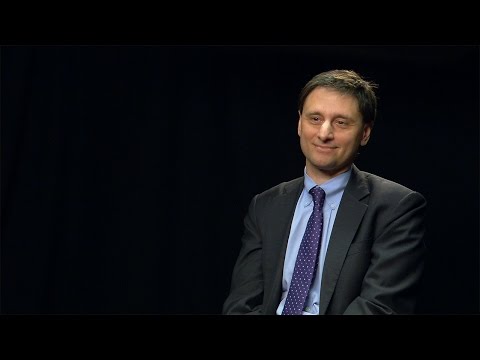
Under Naveen Jindal's leadership, Jindal Steel & Power has grown from a small loss-making division into a large and profitable enterprise. It has also moved beyond steel to power, mining, fuel and infrastructure. Jindal wears another hat too. He is a member of the Indian Parliament. In an interview with India Knowledge@Wharton, Jindal, who is the executive vice-chairman and managing director, spoke about his growth strategies for the company, his entry into politics and why he fought to change the Indian flag code. 📂 Public Policy
Read the full transcriptHide the full transcript
- naven thanks so much for joining us today thank you um I'm going to ask you a couple questions first about um sort
- of the turnaround that you affected at the company at uh gendal steel and power you are credit with really kind of
- taking a moderately running business right a factory in in fact and really turning it into a star performer so tell
- us a little bit about what were the key drivers of that turnaround okay when I um after
- completing my MBA uh from University of Texas at Dallas uh I went straight from Dallas Texas to rard in madha Pradesh at
- that time it was um middle of nowhere and this steel division of of gindel strips limited one of a flagship company
- was making huge losses and uh it was making losses like around uh 1520 million U every month every every year
- sorry and my father you know said no don't worry this company will make at least uh 25 million profit perom and I
- couldn't believe him I said the company making you know 15 20 million uh losses how the hell is going to make it 25
- million U dollar profit every year but then I worked and worked it has all been team effort you know I could have never
- done anything I mean no one can do anything alone so it has been team effort uh my father kept on U guiding me
- uh kept on giving me the courage to to go ahead and every time I would be in despair I would go and speak to him and
- he would encourage me to do it and then slowly slowly things changed and U we were able to start getting get good
- production then the markets changed steel started to do really well then we uh changed the company we from a we
- hived off the division into a separate company called jindel steel and power limited and then we have never really
- looked back we uh even during the downturn jindel steel and power paid all its interest payments repayments on time
- every time so we built an impeccable uh track record uh for the company and now then we set up a India's first mega
- power project first 1,000 megawatt project power project in the private sector so we implemented that now Jindal
- steel and power has uh the highest market capitalization of any steel company in the private sector in India
- and we've been able to do it with a team effort of the ENT all the people working
- in the company and I would just say that God has been very kind to us and the kind of policies we realized there was a
- extreme shortage of power in the country electricity so we set up uh a power plant which is doing exceedingly well
- whatever products Ste uh nobody was making U large sized parallel flange beams so we started to make beams we
- started to make uh plates in bigger sizes always tried to make products which there was a there was a demand for
- there was a shortage for to be able to meet up that demand and that really helped us so it's sounds like from what
- you're saying that you really kind of had a strategy to um really uh service the domestic market right where there
- was going to be that kind of demand for the long steel products that you manufacture and also um it looks like
- you're doing a lot of integration backward and forward integration um you know in in the business so can you talk
- a little about that your um going I mean you have some mining stuff right uh coal
- and ore and stuff like that um and um that's really helped sort of stabilize your business while some of the other
- steel companies have really been hit by the downturn right um you're right U it's very very important to have control
- over the key raw materials uh we do not have we do not control all the raw materials but say uh to the tune of 60
- to 70% uh raw materials we have our own captive mines we have a captive mines for irono for non-cooking coal even
- though uh the non-cooking coal is a very poor quality but then we beneficiate it
- again this something uh my father late op jindel he really believed in this he believed that we must control our raw
- materials if we do not then other people are going to control us so we made a conscious effort to acquire coal mines
- to acquire iron or mines and even though sometimes they were not the best quality
- raw materials and then we invested a lot to make those raw materials suitable and
- that has really helped us because uh there has been a lot of volatility in the raw material prices and you're right
- a lot of companies have suffered a lot and say we did not have and we still do not have cooking coal and because of
- which we also suffered hugely because prices from $100 per ton suddenly jumped up to $300 $350 per ton so it's very
- important to be a a player to have a fully integrated operations that's from the mining till the finished products so
- sometimes some areas U you know if it's hurting then the whole chain you know makes you stronger so one of the things
- that if any anyone does an analysis of you know India's needs right now infrastructure obviously is a huge one
- and your company is obviously cited right in the middle of that in terms of um steel and energy and stuff like that
- tell me a little about what you see as your company's role in um the infrastructure Improvement ments um you
- know obviously you have an interesting perspective as um someone who is a head of a company in a private sector but
- also as a member of parliament I believe since um several years so uh tell us a little bit about how you see that um you
- know the infrastructure Improvement happening okay I see um as from as far as our company is concerned jindel steel
- and power we uh want to concentrate more and more one is steel to uh to expand our steel operations to expand the
- capacity presently we're making 3 million tons of steel from 3 million we want to take it to 20 million tons by uh
- 2020 so we want to increase the steel making capacity and then even more importantly we're going to give more
- Focus to power generation presently we are generating around uh 1,500 megawatt of power we want to take this to around
- 20,000 megawatt of power and a lot of power we want to generate from hyle sources so that we are not contributing
- to global warming or to climate change we want to generate there lots of hdle power potential in the northeast of
- India and in fact right now a company has been awarded one of the one of the biggest uh hydle projects which is 4,000
- megawatt and there is no huge water reservoire there's no need to do any relocation of people it's basically uh
- run of the River Project which is environmentally which is very very friendly so that but it's a very
- challenging project in this northeast that I'm talking about there hardly any roads it's very it's all the whole
- region is very very mountainous and there's hardly any roads to be build to build such big uh projects but that's a
- challenge that's um I want to we we the whole company is going to be working and
- these projects one has to work closely with the government also because some infrastructure for these large projects
- has to be given by the government especially the the roads and everything so we are working closely with the
- government and we hope in the next 78 years we're able to achieve this so one of the things that you just touched upon
- is working in some areas especially in the northeast of India I think you have some projects in orisa for example right
- so um can you elaborate a bit on those challenges because um obviously those are some of the places that need the
- infrastructure the most and um especially if you're trying to perhaps Source some raw materials or do some
- projects there um you you really kind of almost need the infrastructure to build
- the infrastructure right so talk to us about some of the challenges of working in some of those less developed areas
- okay most of the times that you're building your steel plants and power plants is really in the areas which are
- not very developed so as part of your project you also have to develop roads over there you have to bring water you
- have to build your transmission lines so you have to develop the minds power Generations so all these things when you
- do and when you are doing these things uh in a place where there aren't good facilities you have to have U good
- quality education good quality schools good quality medical care because if you want to attract good talent and if you
- want good people to come and stay in these remote areas you know everyone's expectations today are very high
- everyone wants good quality education for their children good medical facilities for themselves to attract
- them because India offers a lot of opportunities you know all over so when we go to these places like you mentioned
- urisa or jarand so we do all these things building roads bringing in uh water pipelines making transmission uh
- lines um making the townships where our people would stay and building schools hospitals and these things the city also
- benefits uh from all this and uh there is a issue regarding because when you want to do set up a project it obviously
- uh it needs a lot of land and in India land is under a lot of pressure because our huge population is there so we try
- to look for land which is uh not very U not high yielding land not a land with high yield so try look for yeah yeah non
- aable land we look for Baron lands uh mostly you can't get it 100% but we try 75 to 90% which is Baron land so it's
- easier you know people are then very happy to sell that land and then also we ensure if you're buying some people's
- land even the RNR policy of the government of India that's Rehabilitation and resettlement policy
- of the government that also wants you to give vocational training to these people
- so that they could be employed later gainfully in the company and also you you build new houses for them you give
- them u a very good price for their land and then Employment so it is a win-win situation for all and then uh a company
- has been able to with its work has been able to build a really good name for itself so that people trust you and you
- try to take care of all the stakeholders so then it's a win-win situation for everyone so it sounds like your company
- is involved in quite a bit of projects so you're really developing the place as well as um you know building some kind
- of a um you know uh whether it's an or development or whatever so what made you um want to go for Parliament I'm just
- curious how did you feel that fit into sort of your strategy um for life okay it's that's uh I joined uh the
- parliament joined it's the first time that young industrialist has joined active politics in the history of India
- uh that I did drawing inspiration from my late father uh Shri op jindel uh he joined politics when he was 60 years old
- because he felt that the poor people the underprivileged people they do not get justice so and he said just being an
- industrialist if we yes we can make enough uh money for ourselves maybe we can work for a million people if you
- have a very big business maybe we can work for 10 million people but it definitely does not give you an
- opportunity to work for a billion people so joining politics for me is part of my
- strategy to make the country of my dreams rather than blaming others rather than blaming politicians that they have
- not done this they have not done that I wanted to give the best years of my life
- in making the country of my dreams in serving the people of my country and politics does give you that opportunity
- so I'm very fortunate that congress party especially Mrs Gandhi she gave me this opportunity and the people of
- kurukshetra that's my constituent in kurukshetra is a very U historic place that's where the epic battle of
- Mahabharata was fought that's where Lord Krishna gave the sermon of uh Gita so people there they gave me their
- blessings got me elected and I've been last 6 years uh I have been this is my second term now so I try to do the best
- for my constituency and I keep raising issues in the parliament for the Youth of the country about the internal
- security about the defense and wherever uh whatever best I know I try to do that
- talk a little bit about the youth because um you you really are sort of um I think seen as a role model as a young
- MP um obviously there's been a lot of talk about India's Youth and making sure that the services infrastructure
- education Etc are in place um because of course the youth population is is growing um what do you see as um sort of
- the short-term must does in terms of um the government you know what should it be doing to help with that right uh Su
- you know that India has a very large population of the youth and we also do realize that whichever country made uh
- you know very fast progress it was during that time when they had a the largest population of the youth so India
- is also going through that window of opportunity but we do realize it's only a window of opportunity it's not going
- to remain like this forever so we have to give good quality education good quality skill sets to our youth so that
- they can be gainfully employed they can make meaningful contributions to the development of the country and if we
- keep our youth unemployed if they are not able to effectively contribute to the nation's development then obviously
- it's it's unfortunate for them but it's even more unfortunate for the country because the country would have lost this
- opportunity forever so our government uh Congress Le government in India is making allout efforts to utilize this
- energy of the youth through we have the biggest plan ever in the history of uh the world which is the national rural
- guaranteed employment uh scheme which has already uh started to give and you know um around 400 million people uh not
- 400 40 million people are families are getting gainfully employed in this and whole lot of schemes are there in place
- already for giving good quality vocational training we are making a lot of E efforts in good quality primary
- education in improving the nutrition so you know they are healthy good quality education good quality vocational skills
- and then the way we are growing we are going at very healthy uh GDP growth rate and I'm sure in the coming years we'll
- even touch double digit growth uh say around 10% uh growth rate so then there'll be whole lot of opportunities
- in the in the economy and and the youth would be uh ready to take on these challenges and to to really grow the
- country some years ago um you know you were widely credited with um um basically advocating for um allowing the
- flag the Indian flag to be flown I believe um by any citizen anywhere in the country um you were inspired I
- Believe by the fact that you saw students um here in Texas when you were studying um flying the American flag um
- tell me how does something like that a symbol which the flag is how does that um help sort of um you know the country
- from a business standpoint from morale from you know the economic morale what do you see as the importance of that why
- was it so important to you to make sure that the flag could be flown uh when I was in the US I saw people taking so
- much of pride in being able to display their national flag MH you know say to ask an American as to what the flag
- means to them you know flag means a whole lot to them it's only a symbolic gesture but to see the flag because uh
- when a person displays the country's flag they rise above their religious affiliations their political
- affiliations and just show their love and faith in the country so similarly in India we have so many different regions
- so many people coming from different different casts regions political affiliations Rel I affiliations so the
- whole India all the Indians have to come together as Indians and the national flag is a symbolic gesture of that so
- like I said more I want more and more people to display the greatest symbol of a country on their homes offices and
- then even more importantly to live by the ideals of the flag if everyone does their job well if I did my job well and
- others did their job well you know there's no power on on Earth which can stop India from becoming a very
- prosperous very happy country I never use the word superpower or anything because that to me does not mean very
- much what we want is that all the Indians to be happy prosperous proud and definitely the national flag has uh
- helped somewhat in achieving that and just bringing a a kind of a realization that we are first Indians we first have
- to work together work in Harmony and peace with each other other and together we can achieve uh good things for the
- country thank you so much for joining us today thank you
Brief Summary
Naveen Jindal discusses his business turnaround strategies, youth empowerment, and the significance of national pride in India.
Key points
- Transforming a Failing Business. Naven Jindal discusses the turnaround of Gindel Steel and Power from losses to profits.
- A Vision for India's Youth. Jindal emphasizes the importance of education and employment for India's youth.
Episode highlights
- Transforming a Failing BusinessNaven Jindal discusses the turnaround of Gindel Steel and Power from losses to profits.“I couldn't believe him... how the hell is going to make it 25 million profit?”1:18Aug 23, 2010
- A Vision for India's YouthJindal emphasizes the importance of education and employment for India's youth.“If we keep our youth unemployed... it's unfortunate for the country.”14:37Aug 23, 2010
Tension
40/ 100Low tension