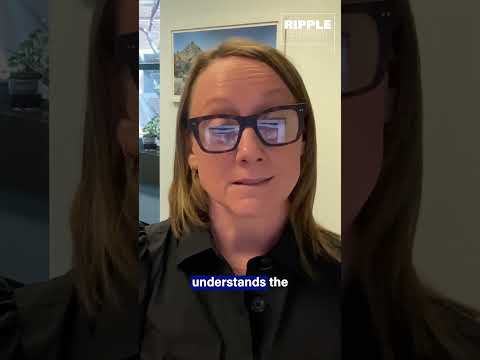
Literacy India's Indraani Singh: Working on the Three 'E's -- Empowerment, Education and Employment
Ask about Knowledge at Wharton
Episode Description
Literacy India started in 1996 as a non-profit organization, with the objective of empowering underprivileged children and women by making them self-sufficient. It had five children then; today that number has risen to 15,000. The students are given basic education and exposed to a variety of vocational skills. We have to keep on coming up with something new, says founder Indraani Singh in an interview with India Knowledge@Wharton. 📂 Public Policy
Read the full transcriptHide the full transcript
- well thank you randy for joining us uh just wanted to start off by asking you to help us
- understand literacy in there and what it is and what you do there it's an organization where i feel that
- whatever my vision was when i started to make it come true day by day and reach a particular level where
- india is nowhere right now i started about 15 years ago with just five kids and right now we have
- touched over 10 to 15 000 children women and youth as i see it's hardly any kind of a scale
- i have gone up per year if i see but it has taught me this whole organization has taught me um
- something different about india something uh which needs to be done urgently for india something which has
- to be addressed by people like me or many people who are working in this field for india so
- it is an organization which is trying to address many things at the same time the
- literacy education empowerment employment of all kinds of beneficiaries that be it
- youth be it women be children adolescent but i feel that many of us are trying to
- do that and i think miners are just a small little uh drop in the ocean which i'm trying to
- do through literacy india how did you become interested in this uh as a kid i think since my childhood
- i could never see like i am in a better off position and i see children on the street i'm
- going to school and i find children on the street i feel that there got to be something
- you know someone got to do something about it i said why it is not being helped and i
- am clad properly and there is nobody i mean i find people they are not clad properly they are sleeping on the street
- and i think it was there since my childhood and it just happened that it got a little more
- when i was in kolkata i was supposed to there i was there for a long time i used to watch these nuns
- working so selflessly and you know picking up this little child on the street and how they
- will take them and take them i visited the orphanage and i felt that i need to come to a position where i am going to
- do something like this i didn't know how it was like a frustration i had this restlessness in me and i was thinking
- that when is that time gonna come when i'm gonna actually go do something about it
- and i you will really not believe it i really didn't go places to ask somebody how to go
- about it how does it happen what are the regulations what what am i supposed to do
- i learned abc's right from the scratch to going places and i felt shy asking anybody who's running an organization
- and take some lessons because they would look at me because once a while i tried
- they would look at me in a very cynical manner you're a pilot you're doing pretty well what i mean you
- must be a nut case or you know looking at this sector you're well off they're going to be some
- internal hidden agenda for getting into this so for small little things i really had
- to work hard to find out details and i learned a lot there was so much of self-learning i i can't tell you it was
- a great it was a fantastic journey so that's it what you just mentioned so you don't have a
- sort of a usual background for anybody in india or anywhere across the world for example
- so can you tell us where you started off obviously your dad was also a pilot and uh can you tell us whether he had
- influence on you becoming a pilot as well and how did he end up being no my father is not a pilot oh he's not
- a problem my father-in-law is a pilot okay um no my dad and my mom i think they have
- didn't realize it but they have an important role to play because they both come from very humble
- background my grandfather worked when the english rule was there and i heard a lot of stories as to what
- happened in the villages i heard a lot of stories my father lost her dad and how a single mother
- struggled her way up and bringing up her daughter so all those stories actually had a deep
- impact on me i think i was making base through my parents and my grandparents so this background actually
- is has helped me and made me think about you know if somebody is in that situation
- what will that person think and try survive what will the person do so when i reached the level where i was
- so comfortable staying in a five-star hotel going places you know whatever i wanted with my money
- i could do i could relate to somebody who didn't have you know i had seen both the sides and
- it made my life much easier when running an organization stepwise growing so made me a streetwise smart
- for uh getting into a situation and how to get out of it and how to resolve it and it's a learning for me whenever i
- meet people from any kind of background be it industry education i'm forever curious to find out where
- india is heading because if i know how we are getting developed what all areas we are working
- on it becomes easier for me to handle my beneficiaries give them that kind of a channel and
- that kind of a path that these are the areas they can you know grow because literacy india is working on
- three e's and that three e's also took me by working on first e and the second e and
- the third the first t was the empowerment part you know go on motivating go on telling them over and
- over again that you you guys can do it you guys can do it and the second e was the education
- that it is important for you you can't do without it and the third e that after getting
- educated employment is so very important because i've seen there are graduates no
- jobs there are school pass-outs no jobs so what were what were the answers and they i had
- you know sleepless nights trying to find out the answers go and read the mint papers and i
- you know pilots reading a business standard or any kind of this kind of a paper it
- doesn't interest they will read about the aircrafts what the engines do and blah blah blah and how many
- aircrafts are coming in what are the new aircrafts my interest diversed when i stepped into
- this world and it's intriguing day by day as to what all areas india is diversifying to
- and it makes my vision more and more clear that what am i going to be what's my goal for the next 10 years
- you mentioned a step-by-step process for your organization could you walk us through what the process was how did he
- go about setting this up very simple say i started with five children okay we adopted these five kids and
- i had other co-founders also we discussed and they said okay good school you know
- they must go to good school so the background is parents are completely illiterate
- so we put them in good school uh what is the definition of a good school that i learned over a period of time
- that whether the school is teaching well so they go to the school when they come
- back who's going to help them do the homework no answer so we we go to find a teacher
- who would tutor them after school hours help them with the homework and that's how the process started
- so what next i mean they go to the school they are not treated well because they
- are poor class and mingling with the regular kids who are privileged class what next
- so no this is not going to end here we must do something about confidence building
- that you're good is your if your grades are good and if you are groomed well nobody can make out that you're not from
- that class so that journey begun with the fight with fried children then i realized that
- my five you know when i'm working i might as well increase the number so the number went up to 50. and then
- 100 and then 150 and then you know that multiplied now in this journey i realized that what
- is the quality of education we are having what is that next step these kids when
- they pass out and what kind of a question they're going to be asking me so i should be ready with their
- of higher studies and then further higher studies or their what are they going to be getting
- into what kind of an employment what is their uh you know what i will be thinking about my son
- i should be thinking about these kids until late even now all the planning is going on i have a
- school i have few schools in fact um the principals and the teachers are counseled and
- they're told that you should be doing this homework who are the averages who have very
- little interest in the school they just want to quickly finish their schooling and who are the ones who are
- you think they are studious type map those ones keep them aside now also when you map
- them who have a scientific vent of mind so you can have doctors or you can have engineers and who don't so
- the science and the non-science stream they diversify these are the things which i found none
- of the non-profit organizations were doing they were just regularly doing the education but you know
- if the chap is ready we'll find us or her way in the regular life but it doesn't happen i found that if we
- do these experiment then it becomes a module a model for us to copy it to and give it
- to any other non-profit organizations and tell them hey this is what you can do and believe it or not after 15 years i
- am giving away whatever i learned in this process to others you know you can do this you can
- do that many new people when there are new players who are coming into this field
- they are looking for some sort of a mantra moola about what you can you know tell us please tell us
- so i share it all i said this is how i learned and i think these are the things if you do
- it'll be good for you it'll be successful and sure short it is so you've scaled you've gone from five to you said ten
- thousand ten uh no i think fifteen thousand fifteen thousand students so that that's
- a huge scale up or whichever way you look at it so how do you manage that scaling
- process and how do you ensure unfair there was a very good question back there um somebody from america
- india foundation came up with it that most of the non-profit organizations are running by individual a strong
- leader and i i consider that okay i am the leader and i have about 174 staff now it
- started with two staff two teachers now i have so many teachers supervisors and uh your coordinators
- project coordinators because we have six seven projects going on at simultaneously and
- ahead above that who reports to the trustees so uh yes it is leadership driven so
- i was telling the watanians i said hey i'm here i was trying to wonder that there is it's a house full
- so many uh you know young faces i see here why are you here you know i i and i was asking myself why
- am i here so the answer came that i'm looking for leader so any of you who be interested in
- taking my position do contact me so i am also actually searching for a successor who
- will eventually next 10 15 years groom the young person when i started i was quite young
- and down the road i am also looking for a successor i don't want this thing to die
- i don't want and you require a strong leader because vision is very important in this field
- and if you have a vision then you will go on strategizing come up with the new methods innovation
- and it's an ongoing thing it can never uh stop at one place every year they've got
- to be something new let's switch gears for a second and talk about flying so how what's your experience like i mean
- you being the first person being the first woman to fly no i'm uh actually um i'll make it little technically correct
- um i started on the boeing 737s then came on the 320s when the 320s came in that time it was a fly-by-wire
- technology and something new in the world it was introduced so i was the first indian woman that
- time to go for my training there and i was asked questions how can india being in parda how is that you're here i
- said no it's people are changing things are changing so that time it was the first time for
- the 320s fly-by-wire aircraft but actual recognition came on the wide-bodied when i started flying i was given an
- option whether i want to go back on the boeings on the 320s or remain on the 300s and fly in command
- i said i'd like to fly in command i had no idea whether i'll be getting into a history book i said i'd
- like to fly in command so it was kind of a shell shocking for many my seniors for a very simple reason that
- no woman had been there on that seat in the left seat so i didn't realize it you know it was
- for me it was a regular thing i had to go for my command till the day i got my command the day i
- started doing my solo that's the time i realized that it was actually why people are worried about it because
- a woman going on the left seat never before and it's a huge aircraft you see and it
- has an impact it has some sort of an impact on you when you look outside and god there can be a
- woman over there and the kind of system we live the tradition which we have in the
- in our country uh women pilots it's a big thing so 1996 it was uh back then and that's when the day i got my command
- and 95 literacy india had started i think they were all moving on parallelly in my mind so
- you actually have a wonderful story to tell so i want to thank on behalf of knowledge1 want to thank you for
- spending time with us today thank you so much you
Brief Summary
Randy discusses her journey founding Literacy India, focusing on education and empowerment for underprivileged children and women.
Key points
- The Journey of Literacy India. From five children to over 15,000 beneficiaries, this organization is making a significant impact.
- A Personal Mission. Driven by childhood experiences, the founder felt compelled to help those less fortunate.
- The Importance of Education. Education is crucial for empowerment and employment, according to the founder's vision.
Episode highlights
- The Journey of Literacy IndiaFrom five children to over 15,000 beneficiaries, this organization is making a significant impact.“I started about 15 years ago with just five kids and right now we have touched over 10 to 15,000 children, women, and youth.”0:47Aug 6, 2010
- A Personal MissionDriven by childhood experiences, the founder felt compelled to help those less fortunate.“I see children on the street and I find children on the street.”2:00Aug 6, 2010
- The Importance of EducationEducation is crucial for empowerment and employment, according to the founder's vision.“The first E was the empowerment part... the second E was the education.”6:36Aug 6, 2010
Tension
40/ 100Low tension