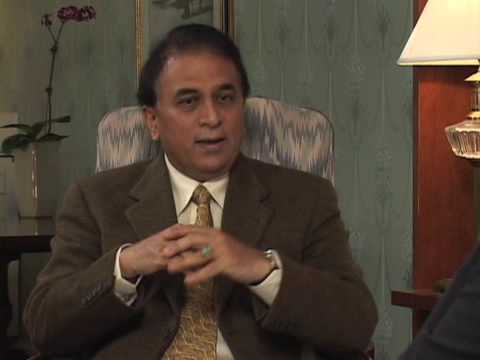
Assumptions, Changes and Success -- Muhammad Yunus: Banker to the Poor
Ask about Knowledge at Wharton
Episode Description
Part 6- There are times when we think back and see the results of decisions weve made. Sometimes we wish we could change them. There are successes too. Muhammad Yunus talks to both the regrets and successes in his journey to success in the microfinance world.
Read the full transcriptHide the full transcript
- is there anything that's happened in the microcredit movement or in your own life
- as it as it relates to this to this work that has changed the way you view microcredit is there something that's
- said oh have you ever said to yourself oh I should have done this instead of this or I should be doing this instead
- of this have any of your initial assumptions changed over the years the assum basic assumptions remain the same
- we have expanded it lots of other things came we thought let's try this one and we tried it and it worked we felt happy
- about it um if you just look at the if I reflect what I have done if I have to do
- anything differently probably one area probably I would have done differently uh when we began in
- 1982 uh uh there's a tremendous amount of enthusiasm among the donors to give us money because we had a small project
- they wanted to help us and we are very reluctant to take money because we had plenty of money at that time is very
- small project we didn't need any money we had no idea about taking money but they kept on pressuring pressuring Us in
- the central bank with which we were working and finally Central Bank yeld it because they thought why not if they
- want to give money let's take some money as a loan not even a grant from epad International fund for agricultureal
- development so in 1982 we took the external money before that we never had any external money and the donors other
- donors came in they wanted to give us more money so we thought why not once we have taken one we can take two we can
- take three we have started taking it and lots of money keept coming and we kept on expanding then one complaint kept
- coming saying that well gamine Bank works because it gets a lot of money and that's what donors keeping it a Flo vot
- I said no that's not true that's not what we we didn't need the money they gave the money so we took it so in 95 we
- decided not to take any money at all CU we thought uh we can do it ourselves so from 95 on we never took any external
- money entirely it's local money local thing so if I have to go back I would have changed that 82 decision never
- taken any never take any money so that that confusion was not created for a long time people said well donor has to
- be there otherwise they cannot survive these are donor kind of uh supported program which
- stays alive I said that's a very wrong idea because that's not how we wanted to work and that's how we never worked
- right so that's one change I thought I should have done I have one last question uh how do you define
- success just like any other case that uh whatever your objective was if you came
- to that your success it depends on what your objective was how do you relate it that yes we made it uh in our case uh we
- wanted to bring credit to the poor people and saving services to the poor people uh people said it never work we
- hope that it will work and it did and then say Well it may work in one Village it don't work for two villages we did
- they said maybe 10 Villages it don't work if you grow big it will collapse we are stretching your luck too much uh we
- did so that is a success that even Beyond what we imagine we never thought that we can continue uh with this uh
- such a repayment record years and years because uh organizations get uh weakened
- or as you grow big your management becomes a problem and this was a big worry for us uh as we grow uh can the
- quality of administration quality of management continue to grow with it or deteriorate because you not running it
- yourself anymore you are depending on hundreds and hundreds and thousands of young people who just came to know about
- it marginally knows about it we leave everything in their hands and the decisions but it worked and then say it
- may work in Bangladesh it don't work outside so now as I said it's worked all over the country all over the world in
- many countries they said well our country is not like Bangladesh we don't have such a huge density of population
- and not so much po poverty concentrated in our population so in our country it don't work we said well you debate about
- your country and Bangladesh give the task to us we go and do it for you and uh they accepted that many countries did
- that so we started doing that we did it in Turkey we did it in Kosovo we do it in Costa Rica guala in China India many
- places to demonstrate those kind of thing and we started one in New York City uh last year it's called Grammy in
- America we do the same kind of work that we do in The Villages of Bangladesh and
- a beautiful result we have more than 600 borrowers in New York City all women five member group weekly repayment
- savings $2 each week uh we have given um loans to all of them and average loan is
- $2200 repayment rate is 99.3% no collateral nothing so it works uh I would say the strength of the idea
- that it's not country specific or uh people of particular location specific it's a global it's it's a human thing
- it's not uh uh something that works with one particular trait of character of a particular
- community
Brief Summary
Grameen Bank's founder reflects on microcredit's evolution, success, and global impact beyond Bangladesh.
Key points
- The Power of Microcredit. Exploring how microcredit has transformed lives and communities across the globe.
- A Surprising Success. Despite doubts, the program thrived beyond expectations, proving its effectiveness.
Episode highlights
- The Power of MicrocreditExploring how microcredit has transformed lives and communities across the globe.“We wanted to bring credit to the poor people and saving services to the poor people.”3:05May 29, 2009
- A Surprising SuccessDespite doubts, the program thrived beyond expectations, proving its effectiveness.“We never thought that we can continue with this such a repayment record.”3:36May 29, 2009
Tension
45/ 100Some tension