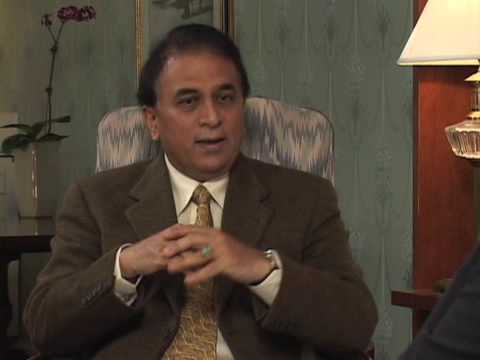
Jon M. Huntsman on Ethical Leadership
Ask about Knowledge at Wharton
Episode Description
Jon M. Huntsman, founder and chairman of Huntsman Corporation, a $13 billion chemicals company, spoke with Knowledge@Wharton about the challenges of leading in an ethical manner. Knowledge@Wharton is the online research and business analysis journal of the Wharton School of the University of Pennsylvania. http://knowledge.wharton.upenn.edu
Owner: Knowledge@Wharton
Read the full transcriptHide the full transcript
- the following knowledge at worden podcast is brought to you by Vanguard offering investments designed to help
- individuals and institutions reach their financial goals visit Vanguard comm additional support for this podcast
- comes from warden executive education for more information on warden's executive course essentials of
- management please visit executive education warden UPenn dot edu from the wharton economic summit in philadelphia
- i'd like to welcome mr. Jon M Huntsman founder and chairman of the Huntsman corporation one of the largest
- petrochemical and plastic companies in the world thank you for joining us mr. Huntsman thank you
- ethics and moral codes of conduct are somewhat different around the world and you've done a lot of business around the
- world with all kinds of different different folks and some would argue that there are different standards in
- some cases things might be ethical in one country but not in another what are the the traits that you see across the
- board that that are consistent in terms of ethics well the only important and critical and standard trait is is that
- found in an individual who travels between these various areas where there may be conflicts in ethical behavior
- that is to say that of course situations will be different in some countries in Asia and in some countries in Eastern
- Europe in some countries in South America even in North America but individuals who are responsible for
- their business must maintain the same standard standards of ethics and same criteria for honesty and integrity
- irrespective of what the country may believe in or their government may be based upon and that's very difficult
- because that means in certain cases you have to choose whether you want to invest in that country or not and I've
- had to pull the plug on a country which I loved we had two major manufacturing sites there but I would I refuse to get
- involved in bribery and people in that country all believed that if you were to be
- successful you had to give a certain amount of your your income to the leaders of that country I refused to do
- it I sold our plants and moved out of there since that event happened that new government has come in and have said
- please mr. Huntsman bring your plants back to this country we know why you left and that will never happen to you
- again the word also spread to other countries that have some sense of corruption
- within their government don't deal with a Huntsman organization in a corrupt manner they won't buy it they'll pull
- the plug they'll move out they'll take any investments with them you'll lose jobs and the word traveled ahead of us
- so we've never had another problem with that one of the most important jobs of a
- leader is to bring about change and transformation and I wonder if you could speak a little bit about how do leaders
- bring that about and also how do they involve their employees and motivate their employees to buy into the process
- of change let me talk first about about change it is very important for a leader
- to surround himself or herself with people who are more effective in many ways than they are for instance I don't
- wear a wristwatch as you can see I don't know how to do email I don't know in a computer I've thrown six cellphones away
- in the last year because I can't stand them I'm a man who really is it should be relegated back to the 40s or the 50s
- as far as technology but we run a very high technology oriented company because I've surrounded myself with people who
- are so much better equipped than I am to deal with the technological advances the
- research and and and development in in those areas we we have senior officers and in fact our CEO is very attuned to
- this he happens to be our son but the people around me including my personal assistants all our people much better
- qualified than I am in that area my main job as a CEO as a chairman now and it was as a CEO was to put my arms
- around people and commend them and thank them and build them up and lift their spirits but as far as any one individual
- being a master of many of the areas of involvement that just isn't the way business was run businesses run first
- and foremost by lifting the spirit of the corporation lifting the morale of the company spending a lot of your time
- out in the plants and out in the sites and out on the assembly lines getting to know families individual employees we
- call them associates and their families so that they know that I'm always supporting them and if I support them
- then they support they support me but when it comes to the technological advances and things of that kind I give
- way to those around me and and just remain silent and and and thank other people for the wonderful talents that
- they bring to her to our business this is sort of related to what you were just talking about in today's internet world
- where everything is 24/7 coverage there's talk radio there's talk TV as a leader you have to make decisions that
- are often in the public domain and they're being scrutinized how difficult is that is that a D view that as an
- opportunity or a challenge in terms of making leadership decisions because everything is so public well you're
- going to be criticized here but one is going to be criticized irrespective of the of the decisions they make but but
- you know life is a series of decisions to make no decision is a decision and so you know we were we were private
- business for 35 years now we're a public business our sales last year were about
- 13 billion dollars annually and all you can do in making decisions is gather as much information as possible surround
- yourself with the best possible people gather all the facts that you you can you can gather and then make a decision
- and move and and not look back and I found that you have a pretty high batting average if you use good judgment
- you do what you think is right you're not swayed by other people's personal agendas and you do what's in
- the interest not of yourself but of the corporation and and the maximum number of people within the corporation and I'd
- love to make decisions I you know some people kind of falter away from it but I think that decision making is is is a
- very unique art and it's one that for me at least in my life has brought a lot of has brought many
- blessings into our family and into my own personal lives and I'll think outside the box a lot of the times many
- of the many many decisions that we make people think well well that isn't the standard type of procedure why are you
- doing that and I said well because I think it will help more people I think it will broaden our base I think more
- people might be educated if we go this route rather than this route and so you know I I don't fear decisions at all I
- think the key thing is to gather the facts surround yourself with good people and make a decision and never look back
- over your shoulder oh it's the biggest leadership challenge you have faced and how did you overcome it the the most
- significant leadership challenge for me has been to surround myself with competent and dedicated people and not
- believe that I know all of the answers and listen to them very carefully and respect their education and their
- experience in their background and we're in a business that operates in 55 countries throughout the world we make
- 12,000 different products I couldn't make one of those products myself I I've never taken a chemistry course in my
- life but we're one of the largest chemical companies in the world thank goodness for people who can give
- you advice and suggestions and so I think the most important decision in business assuming that the financial
- basis is is is solid because obviously without a solid financial basis any organization has is going to begin to
- crumble it really boils down to the people around you and listening to them and giving them credit and
- putting your arm around them and thanking them and recognizing that that they're as critical a part of the team
- as you are and and and recognizing them for their talents and abilities most people think of leaders as being at the
- very top of the organizational chart that they're they're charismatic they're on the front cover of the the business
- publications but there's that layer beneath of leaders how do you how do you at your your company train and groom
- those leaders at that sort of mid-level range and and how important do you think
- that is in terms of building a strong company well the mid-level people will be tomorrow's senior level people and
- it's always been very important for them to be part of a decision-making process
- to be called in to be recognized and and and to be listened to and and it's very
- very important to people on their way up through an organization that they feel they're making a contribution that there
- are superiors that their senior officers are are listening that they understand what they what they're saying that they
- have a role of participation in in a decision-making process and then if the decision-making Abraham Lincoln made a
- great statement once when he said the decision-making level should should be at the lowest possible level in the
- organization something to that effect I may have my words a little bit wrong but
- and so I've always believed that unless something involved a global decision I shouldn't make that decision it should
- be made at one or two or three levels below me it should be made at that level that affects that number of people and
- that particular product at that particular stage and then it's my job to support that decision to drop a little
- handwritten note since I don't do computers and I don't do email I I do literally hundreds a week of little
- handwritten notes to people and I think I'm the last species on earth that does that because you know people love to see
- that you've taken the time to drop them a note and and particularly if they're in mid management because they know that
- their decision has reached somebody at the top and that they're recognized for that there you know that they that they
- that they're important to that organization they're part of it and I think that's why our morale has always
- been very very high as it you know I love our people I love them all the way up and down the organization and and it
- doesn't matter what level they serve it's it's a matter that you know if you love people and you trust people and you
- go with what they recommend that they're gonna be very careful in what they recommend because they aren't going to
- want to hurt you they're not gonna want to disappoint you people like a leader who tosses the ball back to them and
- gives them praise and recognition and and and you know a little extra pay raise in the process as well that always
- helps along the line second gossip it's how do you define success how do you define success
- I think n word happiness success can never be defined by money because there's never enough money to satisfy
- some people success cannot be I don't believe defined by a position or a political appointment I think it has to
- be what's in someone's heart and the feeling that you have about yourself and my father was a rural school teacher and
- he considered himself to be a great success in life because he taught students in junior high in high school
- and he would see the finished product and many of them would go to college and I think when he passed away in life he
- thought he had been a great success because he had helped students in a rural high school move on to get a
- higher education and achieve something in life so I think if we if we could only just have the type of human heart
- and human outlook that we say to ourselves what I'm doing is it makes me happy I'm good at what I'm doing I'm
- prepared I'm educated in what I what I am achieving and I'm a success because of that and and and that's why we have
- to recognize the other person we have to respect them and we have to understand that not everybody is going to be a
- chairman or president not everybody wants to do that very few people in today's world wants to want to
- do that but it's fun to see people you can sit in their face you can sit in their eyes you can understand people who
- feel good about themselves and to me there are the great success stories of life thank you very much for speaking
- with us for more information please visit our website at knowledge Wharton dot u Penn dot edu
Brief Summary
Jon M. Huntsman discusses ethics, leadership, and defining success in business.
Key points
- Ethics in Global Business. Jon Huntsman discusses the challenges of maintaining ethical standards across different countries.
- Redefining Success. Huntsman shares his perspective on success beyond monetary value.
Episode highlights
- Ethics in Global BusinessJon Huntsman discusses the challenges of maintaining ethical standards across different countries.“I refused to get involved in bribery.”2:09Oct 10, 2013
- Redefining SuccessHuntsman shares his perspective on success beyond monetary value.“Success cannot be defined by money.”12:00Oct 10, 2013
Tension
30/ 100Low tension