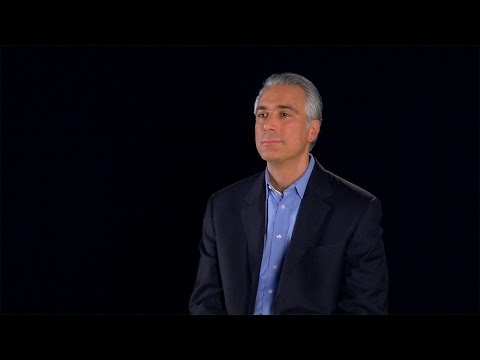
Net Neutrality: What's the Real Threat?
Ask about Knowledge at Wharton
Episode Description
The FCC's proposed new rules regarding net neutrality are most likely benign, says Wharton's Kevin Werbach. Instead, a much bigger threat to the Internet in the U.S. is a lack of competition in broadband.
Read the full story: http://knlg.net/1rBYqiG 📂 Public Policy;Technology 🏷️ Research
Read the full transcriptHide the full transcript
- I'd like to welcome Kevin warbach to knowledge at Wharton Kevin is a professor at Wharton of legal studies
- and business ethics and we're going to talk about the controversial issue suddenly of net neutrality and the new
- proposed Federal Communications commission's uh proposals to uh that could affect net neutrality and Kevin I
- think the best thing to do welcome to knowledge thank you but the best thing is probably to start out with a thumb
- sketch of what net neutrality is for viewers absolutely no it's funny you say suddenly in in some ways this has been a
- sudden controversy after the FCC proposals um leaked a few days ago but uh in some ways this has been a
- controversy that's been going on for the past decade um so Network neutrality is
- basically the principle that internet access providers which is the company you use to get your broadband service in
- the US that would be companies like Verizon and AT&T and Comcast it's the idea that they shouldn't
- discriminate in how they handle traffic on the internet so whoever you are if you want to plug into internet and offer
- information on the internet you get the same speed as everyone else well exactly
- what it means is is difficult and controversial but the general notion is anyone can connect to the internet if I
- have a startup I may have very little Capital um but I can get on the internet provide my service uh and reach
- customers uh and I don't have to get permission from some company I don't have to pay them uh some special fee
- just to get online it's on the internet and and customers of those Broadband providers can get access to anything
- that's there okay so the FCC is proposing some changes uh there's a lot of hue and cry uh some calling it The
- Death nail for net neutrality uh and others saying well I think you have a slightly different point of view why
- don't you uh describe for us what everyone's worried about and whether or not they should be worried the the first
- point that's important to understand is where we are today so at this moment in the United States there are virtually no
- network neutrality rules that are legally enforcable there's some rules that apply to Comcast uniquely because
- of some conditions it agreed to for a prior merger and there's one FCC rule that says that Broadband providers have
- to be transparent in their Network management practices all the other rules were thrown out in court a few months
- ago uh and that was after the fcc's prior attempt to impose Network neutrality was also thrown out in court
- um but fortunately the court in the most recent decision gave the FCC validation
- on the basic legal Theory they use the the big question up until then was does the FCC even have jurisdiction to
- address these issues because the FCC regulates telephone service television and so forth and so there was an
- argument that they couldn't uh impose rules on Internet services the court for the first time said yes they do Under
- the kind of legal Theory they were using they just couldn't adopt the rules that
- they proposed so fast forward to today the uh FCC chairman Tom wheeler has circulated to the commission a set of
- proposals to adopt Network neutrality rules to to ban blocking of traffic uh to ban certain kinds of discrimination
- of traffic um the rules aren't public yet they're going to be circulated among the Commissioners if they're adopted by
- the commission it'll be a proposal that goes out for public comment um but the concern has been uh from some ERS um
- that the proposal doesn't go far enough in uh restricting a certain kind of practice which is called paid
- prioritization so the idea is uh there's the basic internet Lane that anyone can
- use uh but Broadband providers might have more leeway to offer uh faster or better service for an additional fee so
- as soon as someone hears that there might be a two-speed service there's certain conclusions that are reached and
- uh and and they worry that I guess the uh the two-p speed service well in the beginning it may be a premium service
- that you can pay extra to get the faster speed but in the end that the the main Lane would be degraded in some way and
- so I guess they worry about protections that's one point the other point I think
- is interesting that is that up until now industry and all all the stakeholders here have been sort of agreeing to
- certain conventions where net neutrality has been respected and so far that's worked but I guess there's you know this
- is bringing up the idea a that that could change absolutely it's important to point out that we're talking here
- about connections on the the network side so you as an end user customer as individual or a business of course you
- have options of different speeds you can go to your Broadband provider and say I
- want 5 megabit service 10 megabit service what they offer we're not talking about Fast Lanes and slow lanes
- that way the issue is for content and service providers so if a company like Netflix uh wants to provide service to
- customers of Verizon or Comcast whether uh they can be offered an enhanced delivery service and it's even
- more limited than that um because it's only an enhanced delivery service um that is differentiating traffic on the
- Broadband provids Network um the FCC has said that this doesn't address what's called peering uh which is how the
- traffic actually comes into the network over the Internet so you're absolutely right there are some very serious and
- and reasonable concerns that people have expressed um the fact is though we haven't actually seen the C proposal and
- what chairman wheeler has suggested in a blog post uh is that there going to be some substantial restrictions on how
- those paid prioritization Arrangements can be adopted I I think absolutely if there's too much room for the Broadband
- providers to degrade the basic internet pipe um that will violate uh the spirit and the reality of network neutrality um
- but but my take on this is that's not necessarily going to be the case if there's sufficient conditions put into
- into place so why the misunderstanding why is it this proposal which will then have months of comment and so forth in
- debate why is it seen as such a threat by so many people it's a combination of just how partisan things have gotten in
- Washington I mean the reason that this is at the FCC is Congress has refused to act and in fact Congress has uh whenever
- the FCC has tried to act different factions in Congress have threatened to basically grind the FCC to a standstill
- if they don't do what those members of Congress want um so it's a very difficult and charge situation again the
- FCC has tried two times before um and uh has proposed rules that generally uh haven't uh provided what network net
- neutrality Advocates really fully wanted um which is what's called reclassification um they've been
- advocating that the FCC uh change the uh regulatory category that Broadband is under in the United States uh to be in
- the category called title that applies to telephone service um now what people Miss is actually under title 2 under
- that uh telephone regulation category you can do paid prioritization uh if it's if it's offered on the same terms
- to everyone um but there's a perception that that's the only solution that will protect Network neutrality and the fact
- that the FCC has now said we're not going to do that um and we're going to step back somewhat from what the
- previous FCC rules had said before they were overturned I think that's gotten a lot of the net neutrality The Advocates
- upset because they they see that President Obama um and other officials have have long claimed that they support
- an open internet and yet when they see that there's going to be again two prices two speeds um they see it as I
- guess the campell's nose edging Under the Tent and I guess what you're saying is we don't really know that for sure
- but that the concern seems a bit overblown at the moment yeah it's it's uh always unsatisfying when uh someone
- who is an AC mic or a policy wonk says it's complicated um but it's complicated um because it's complicated in several
- ways technically it's very complicated what exactly these prioritization deals are how they work uh the engineering how
- they compare to all the other options that those companies have um is a very complex subject it's not that uh there's
- just one way you get from here to there on the internet a company like Netflix has a whole variety of different
- providers it uses it uses caching systems called content delivery Network works it Engineers where its traffic
- goes and and it's paying for all those services so it's not that there's this free internet pipe and now for the first
- time there's a paid pipe um there's a lot more complexity on that side and then on the FCC side there's a lot of
- complexity um again what are the practices that go into effect how does the FCC respond what are the enforcement
- practices and again that's always going to be the issue uh even if the FCC adopted this title 2 regulation they
- would still have to make distinctions and still have to engage in enforce so what do you think is the bottom line
- for people that are looking at this issue from the outside they they they they see this might be a threat to Net
- Neutrality the the issues are complicated what does it mean for example for consumers uh will it affect
- what they're paying uh and other stakeholders sure so two points one is net neutrality is this this this vague
- concept it's it's a buzzword it's a slogan um but we need to walk back and and break down what what it actually
- means what should people be concerned about um people should be concerned uh on the one hand if new uh Innovative
- Services can't get off the ground can't reach their customers um or you know see
- that their service is being degraded um so people should be concerned about that
- and if we have evidence of that then that's something that should be taken to the FCC and to Congress and so forth to
- say this isn't working um secondly people should be concerned on the enduser side if they find for example
- that Broadband providers are um creating discriminatory cap saying you you know you get 50 megabit service but you have
- this limit on your bandwidth uh and only certain services are subject to the limits hours aren't and the limits are
- far more uh restrictive than what's necessary for Network management um then that's something and and frankly those
- conditions aren't covered under Network neutrality um but they're the kinds of things that might make these harms that
- people are worry about come about um and then the big thing that that people should think about is the reason this is
- such a concern is we don't have enough competition for Broadband in the United States we do have uh in many places
- multiple providers uh but typically very few and and in much of the United States
- there aren't multiple providers for truly high-speed service um so we need to do in the FCC and Congress need to do
- everything possible to promote more competition and frankly the FCC and and chairman wheeler has a lot of that on
- its agenda um and the question is can it get to that agenda um or is net neutrality going to be such a
- controversy um that that's the only thing the FCC focuses on for the rest of the Obama Administration could you give
- a couple quick bullet points on how we would get more providers and increase that competition level absolutely um so
- uh the United States made a choice and I think frankly a wrong choice about 10 or
- 15 years ago which is different than just about every other country in the world I did a benchmarking study on on
- fixed Broadband for the oecd which is about 40 countries around the world the developed countries in the world and the
- United States was one of the only ones that didn't require a form of what's called Open Access that didn't require
- the high-speed Broadband providers to share their networks so we didn't go down that path and at this point
- politically it's very unlikely we will um so we need to think about alternate physical platforms one of them is
- municipalities um cities or organizations going in and getting access to City capacity polls and
- conduits and so forth in municipalities to provide their own Broadband Network it's a huge source of Broadband
- competition uh in certain parts of the world especially Scandinavia here in the US we have laws that prohibit that in
- many uh states and cities um the second one the big one is Wireless uh right now
- wireless service isn't a one-o-one competitor for high-speed Broadband uh but as technology advances uh in
- particular for what's called unlicensed uh shared access to wireless there's the
- potential at least for for a chunk of the Broadband Market that wireless could provide a viable uh competitor so one
- big hot spot one big or many big hot spots um and that requires the FCC to make Spectrum available it requires the
- FCC to promote unlicensed technology um and it requires ability of all those networks to interconnect with the
- existing Broadband infrastructure and again the FCC is looking at doing all those things uh and I think we should
- push it to continue um is it reasonable for people to be skeptical about this sort of like
- postdecision enforcement that happens so if if we see uh a squelching of competition uh as you
- mentioned or if we see some degradation then we go back to Congress or we go to the FCC and and yet people have a sense
- that that a lot of times uh that's really you're you're up against the brick wall you know once once certain
- practices get underway it's very difficult to go back and change them there's a there's a lot of power and
- money on one side that would like to prevent rent change uh when it comes to that so are people right to be skeptical
- we can say we're going to do this and if it doesn't work we'll we'll fix it but can we fix it really yeah so I'm I'm
- more optimistic um first of all there's a lot of power and money on both sides uh Microsoft Apple Google Facebook these
- are not tiny little companies uh the companies in the internet economy frankly are much bigger and certainly
- much more profitable and aggregate than the access providers the point is once you uh uh go to a certain customer you
- have to go through that access provider um but um if you look at the history here um every time there has been a
- major example of a network neutrality violation um for example there was a company called Madison river that
- blocked Voiceover IP service the FCC intervened uh told them to stop doing it they changed the practice Comcast a few
- years ago was degrading bit torrent traffic uh the FCC um imposed rules even though the rules were overturned in
- court Comcast retreated and agreed not to engage in the practice once once they had gone through that that complaint
- process and the public scrutiny they didn't want to have it happen again um so it's it's right to say uh hold the
- fcc's feet to the fire U but something important to remember is that that third that that additional requirement in net
- neutrality that I alluded to earlier the transparency requirement which the FCC apparently is going to beef up um if uh
- the light of day Shines on the practices of broadband providers um then there's opportunities for pressure and we've
- seen the effects of this so um it's not net neutrality but uh Netflix uh has a chart that shows Broadband performance
- from their streams from all providers um and they've made a lot of hay by showing
- companies like Comcast that are out there all the time advertising how fast our service is and how great it is
- they're way below a lot of providers or they were way below a lot of providers that that have supposedly higher speeds
- um I think that has an impact uh on companies uh like Comcast uh and if there's more disclosure that will help
- with enforcement you mentioned Comcast uh could this announcement well this blog I guess um and those kinds of
- proposals have an effect on say the proposed Comcast uh Time Warner merger yeah it's an interesting question so so
- legally they're separate issues the merger gets reviewed by the justice department and it gets reviewed by the
- FCC um as I said Comcast is already subject to Net Neutrality rules and they've already said sure we'll we'll
- put Time Warner Cable under those two um but in the court of public opinion um people are concerned that the big
- Broadband providers are getting bigger and that a company like Comcast if it acquires time order will have will have
- even more leverage in this market um and frankly um if the FCC puts into place net neutrality rules that are less than
- what uh Advocates want that's only going to redouble the pressure to say well if
- you're not going to do that then the least you can do is kill this merger um so I think there is some risk for
- Comcast but but as a formal matter um two separate issues uh you referred to possible Municipal competition do you
- think that the government will ever view Broadband as a public utility um so it's hard to know what
- that means um so at some level um it should and I I wrote a paper a few years ago called the networking utility um
- talking about how um internet access essentially is is a utility but it's a different kind of utility the the
- problem when people use the term public utility is they're either talking about the title to regulation I describ and
- and that itself is not so problematic um but people need to understand that's not
- a Panacea people think well once it's a public utility then all of a sudden those companies have to change all their
- business practices um no not necessarily it's just a different category of Regulation and and the reality is it's
- probably not going to get adopted in the US um when you think about public utility people think about the kind of
- pervasive regulation of either governmental or very um slow highly regulated Industries like the old AT&T
- telephone Network and um energy utilities and while there's some benefits of that um I don't think most
- people feel like those were Dynamic Innovative companies um so if we want Broadband providers to invest in new
- technology to give us higher speeds and more capabilities um then I think it's fair to say these are private companies
- they should have the incentives of the free market we shouldn't just say well let's let's essentially make this a
- government run Monopoly which is what we're we're moving away from in every other sector of the economy um I I don't
- think that's the solution uh but I think we need to understand that they're they're so important to the economy to
- daily life to free expression um that it is appropriate to have different requirements for them than for other
- companies what are the next steps for this whole procedure and argument uh the FCC proposal has been circulated to the
- five Commissioners three of them have to vote for it which is not a sure thing um
- because the Republican Commissioners have suggested they're not going to vote for any net neutrality rules and the
- other two Democrats want something stronger um so assuming the commission votes for it uh they have a meeting
- scheduled in miday it will go out for public comment typically for two to three months anyone can weigh in the
- fcc's already set up an email box for public comment but there will be an opportunity for anyone who wants to to
- go on the web and make a comment that goes in the formal docket um then the FCC will review all those comments uh
- and will uh issue an order which adopts final rules um that would probably happen sometime later this year um but
- again there's a number of ways that that could get blocked Congress could intervene um I think it's most likely
- that some version of this proposal will go into effect and then we'll be in the realm of potentially more legal
- challenges unfortunately uh and this question about all right what actually happens do these fears get realized more
- broadly what does the future of broadband look like in the US um again the fact that there is not more
- competition um is a drag on broadband in the US the United States is the uh World Center for internet
- Innovation internet uh economic value creation and and internet Freedom um but um that's been um weakened um in recent
- years um partly because of some of the revelations about government surveillance which have caused uh
- companies and governments to not no longer trust the US on that front uh but partly because uh we don't have the
- level of broadband connectivity by some measures that they do in other places so
- I think that will be a drag um and uh I think you know we talk to companies like
- Comcast and Verizon and so forth they say look we are investing we are providing these highspeed Services we
- we're putting fiber networks into the ground um which by some measures we have more widely than other countries um but
- I think if you look at the potential we haven't gone far enough so um I'm worried um that at some point even
- though silic Valley is here and even though Wall Street which which funds so much of this is here and even though we
- have this extraordinary Innovation culture the the the smartest and best entrepreneurs and technologist want to
- come here from around the world um that's not going away U but I I think there is some risk if we don't have a
- true National policy of promoting advances in broadband and more competition at every turn um that the US
- falls behind and also that we lose some of this potential that the internet has and that Broadband has um for catalyzing
- both economic benefit as well as all these great social benefits thanks very much for joining us thank thank you for
- having me [Music]
Brief Summary
Kevin Warbach discusses net neutrality, FCC proposals, and the implications for internet access and competition in the U.S.
Key points
- Understanding Net Neutrality. Net neutrality ensures equal internet access for all users, preventing discrimination by providers.
- FCC's Proposed Changes. The FCC is proposing new rules on net neutrality, sparking debate and concern.
- Concerns Over Competition. The lack of competition in broadband services raises concerns about net neutrality enforcement.
- FCC Proposal Vote Uncertain. Three Commissioners must vote for the FCC's net neutrality proposal, but it's not guaranteed.
- Public Comment Period Ahead. The FCC will open a public comment period for two to three months after the vote.
- Future of Broadband in Question. Concerns arise about the future of broadband and competition in the US.
Episode highlights
- Understanding Net NeutralityNet neutrality ensures equal internet access for all users, preventing discrimination by providers.“Anyone can connect to the internet if I have a startup.”1:19Apr 30, 2014
- FCC's Proposed ChangesThe FCC is proposing new rules on net neutrality, sparking debate and concern.“Some calling it The Death nail for net neutrality.”1:46Apr 30, 2014
- Concerns Over CompetitionThe lack of competition in broadband services raises concerns about net neutrality enforcement.“We don't have enough competition for Broadband in the United States.”10:30Apr 30, 2014
- FCC Proposal Vote UncertainThree Commissioners must vote for the FCC's net neutrality proposal, but it's not guaranteed.“It's not a sure thing.”18:20Apr 30, 2014
- Public Comment Period AheadThe FCC will open a public comment period for two to three months after the vote.“Anyone can weigh in.”18:37Apr 30, 2014
- Future of Broadband in QuestionConcerns arise about the future of broadband and competition in the US.“What does the future of broadband look like?”19:14Apr 30, 2014
Tension
40/ 100Low tension