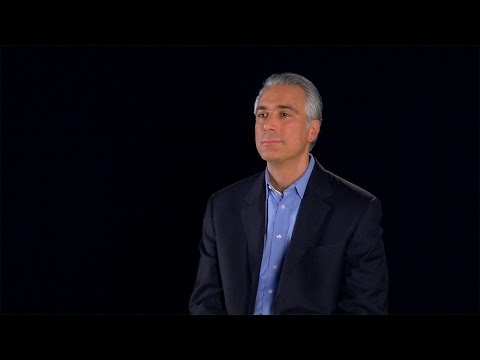
How is the U.S. Doing in the 'Global Bandwidth Race'?
Ask about Knowledge at Wharton
Episode Description
The worldwide competition for bandwidth "is like the space race where the winner will see benefits ... that will last for years to come," according to Julius Genachowski, chairman of the Federal Communications Commission (FCC). In an interview with Wharton's Kevin Werbach, Genachowski says that while the U.S. is leading the world in terms of developing infrastructure for the next generation of mobile broadband, the country faces "some real challenges" in keeping ahead. Among them: the possibility of hitting a wall when the demand for spectrum outstrips supply. 📂 Public Policy
Read the full transcriptHide the full transcript
- [Music] [Music] so Mr chairman thank you uh welcome to Wharton it's good to be here so you are
- the chairman of the FCC which oversees Telecom Media Tech type issues uh and a big thing that you deal with all the
- time is broadband so from your perspective how's the US doing on broadband well we've uh focused the FCC
- on broadband because wired and wireless Broadband high-speed internet is our Central platform for economic growth and
- Innovation for years to come uh in many many ways things are going really well for the US when it comes to broadband so
- think about where we were four years ago if we were talking about mobile broadband we would have been talking
- about mobile Innovation and we would have been saying hey in Japan and South Korea uh there's incredible mobile
- innovation in Europe they're ahead of us on 3G infrastructure so Flash Forward now uh the US has regained Global
- Leadership in mobile broadband uh on infrastructure the US is the first country in the world getting to scale
- at 4G LTE the next generation of mobile broadband no one else at scale is even close so we are the world's tested for
- 4G LTE applications and services on the Innovation side it's a completely different world you know around the
- country they're using American apps whether it's Twitter Facebook or Google uh that's what the rest of the world is
- using a major change in four years and then think about uh operating systems so four years ago the percentage of mobile
- devices globally that had americanmade operating systems was under 20% today it's over 80% that's a very very fast
- change and so we uh uh are strongly positioned to continue to lead the world when it comes to mobile broadband uh an
- incredibly important platform for Innovation and economic growth but we have some real challenges in order to
- keep that going so talk a little bit more about some of the things that the agency has done over the past several
- years to promote that kind of broadband growth and and what are you doing right now going forward I know there's a lot
- of talk about a spectrum crunch about not enough capacity going forward so what's what's on the table well you know
- one of the things that that that we did at the FCC uh starting four years ago was focus on broadband focus on the
- opportunities focus on the challenges you know uh uh uh making sure that we were removing barriers to
- Broadband buildout whether wired or Wireless uh uh freeing up Spectrum for mobile broadband uh spectrum is you know
- the invisible infrastructure that makes this all work um uh one of the things that's happened is that success around
- mobile broadband is breeding a next generation of problems so the more that we use mobile broadband in the US the
- more that we use datar applications and services the more demand there is on Spectrum well spectrum is a scarce
- resource and Spectrum planning in the US never anticipated this kind of demand so
- we're in a global bandwidth race I I think this race is like the Space Race where uh uh the winner will see benefits
- in terms of innovation and economic growth that will last for years to come every country around the world wants to
- be the leader when it comes to broadband we're in a strong position now but we're
- going to run into a wall on spectrum because the demand for spectrum is vastly exceeding Supply and we've got to
- both use the old policy tools in a really smart way and develop new tools to free up Spectrum to drive Spectrum
- efficiency so that uh we can keep on encouraging the growth and development of the mobile economy so one of those
- new tools is something called incentive of auctions which uh the FCC just launched the proceeding on a couple of
- days ago can you talk a little bit about what that process is and and what are some of the benefits so we're we're
- proud of this idea incentive auctions uh you we don't uh here's what doesn't happen when you when you get to the FCC
- someone doesn't come and say hey welcome to the FCC you're the chairman here's the warehouse with all the Spectrum you
- can put on the market and make everyone happy that doesn't happen because all the easy pickings on Spectrum have
- already been taken and done and auctioned so our challenge now is to since we can't create new Spectrum
- although hopefully we'll see tech technology innovations that will help an efficiency Etc um we have to identify
- areas of underutilized spectrum inefficiently utilized spectrum and reallocate them to mobile broadband one
- of those areas is broadcast television Spectrum where historically we've overallocated TV stations so that for
- example in New York there are 28 full power TV stations it doesn't make sense um but how do you reallocate that
- Spectrum to mobile broadband particularly when that Spectrum the broadcast Spectrum isn't National
- uniform Spectrum it's a checkerboard of spectrum in different markets using different frequencies that isn't really
- usable for mobile broadband so the incentive auction idea is a mechanism to give broadcasters an opportunity to
- [Music] and you're using it on their networks they have licensed spectrum and exclusive use of the spectrum that
- they've licensed um when you're using your device not on the cellular networks but
- on Wifi you're actually using spectrum that was allocated on a different model and
- that model is put it out there and let any um uh innovator use it what we found is that both models are very important
- they both generate uh Innovation investment economic activity and we need to um uh continue to develop both models
- uh so freeing up Spectrum for licensed auction use has tremendous value taking the unlicensed concept to
- the next level I believe will have tremendous value too and so in The Proposal that we released on incentive
- auctions the auction that we free up primarily will go to uh adding Spectrum to our
- licensed mobile market where we really need it but we've also identified Spectrum to create for the first time a
- national uniform band for unlicensed Spectrum usable for Broadband that will become part of a
- balanced ecosystem that will uh uh really help Drive uh the mobile ecosystem and I also
- think gives the US a unique opportunity to be a world leader not only in Spectrum policy but in the uh
- Innovative uh Technologies and services that are built on the Spectrum platform so to take a step back and and ask about
- Broadband in general including wired Broadband one of the things that uh the FCC did early on in your term was adopt
- the so-called open internet rules dealing with what what's often called The Net Neutrality issue can you speak a
- little bit about how that fits in with this agenda that you're talking about on broadband yeah you know what we want in
- the United States is um a framework rules of the road that drive massive amounts of private investment and
- Innovation both to Edge early stage technology innovators and disruptors and to the
- Broadband networks wired and wireless that carry the applications and services uh when I got the job there was
- a major war between technology companies and internet service providers about net
- neutrality it was a destructive war that wasn't providing clear rules of the road
- and was having a negative effect on investment Innovation not a positive one we developed uh a framework um that for
- the first time put in place rules to preserve internet freedom preserve the ability of innovators to innovate to
- come up with an idea put it on the internet reach an audience and let the market decide um whether it's a good
- idea or a bad idea so the rules preserve that first time we've ever had rules like that in the United States so a very
- big deal giving confidence to um uh apps and services internet innovators while also providing the certainty that the
- network companies need to to invest in their networks to upgrade them and to give us faster speeds and so in the last
- two years since we adopted this framework we've seen an increase in Innovation and investment across the
- Broadband ecosystem uh in terms of you know Innovative applications uh and services uh we've seen uh uh rapidly
- growing investment and unbelievable Innovation we've also seen uh very significant increases in investment in
- wired and wireless Broadband networks and we've seen both of this even in a period uh characterized of course by a
- very challenging economy mhm so what are are there other ways that you look to unleash that kind of uh competitive
- energy of the market or or use Market forces as opposed to having to tell companies you do this and you do that
- well uh the answer is yes we've adopted uh an approach that recognizes the power
- of free markets to drive investment and innovation in uh value for consumers one
- of the things that we worry about in this space and it's always been an issue in the space is whether uh there's the
- competition we need to drive a successful free market and uh that's something that is an issue will remain
- an issue now I'm a big fan of efficiency enhancing transactions that are consistent with a healthy robust uhet
- market and in fact at the FCC in the mobile space for example uh over the four years that I've been there we've
- approved uh literally hundreds of transactions involving uh spectrum and mobile companies and we've dramatically
- increased uh uh the speed of our reviews uh so they're happening much more quickly and transactions are getting
- through but we've also focused on transactions that present compet ition issues transactions that may require
- Spectrum divestures or other conditions and there was one transaction that we thought this transaction was just over
- the line it would significantly diminish competition in the US hurting investment
- hurting Innovation hurting consumers and making it less likely that the free market could work and we blocked that
- transaction that was AT&T mobile right so so last question going forward what's your metric for Success how do we
- understand how should someone understand if if if you and the agency have achieved your goals I think it's us
- leadership in wired and wireless Broadband uh We've regained Global Leadership in a series of key metrics we
- have the opportunity to continue that uh but we have challenges that we can list
- uh Spectrum crunch dealing with that driving uh faster Broadband speeds in the United
- States uh preserving competition uh we've got to keep working on getting these right
- so that we drive uh Broadband deployment and adoption everywhere and that we do it not just looking you know inside our
- borders but recognizing that we're in a global bandwidth race that in today's world uh
- talent and capital can flow anywhere in the world and that we need for the us to
- have a strategic bandwidth Advantage so that the capital and the talent flow here and we can continue to innovate on
- the broad band platform as the world leader for years to come hey thanks so much for spending time with us thanks
- [Music] Kevin
Brief Summary
FCC Chairman discusses U.S. broadband advancements and spectrum challenges.
Key points
- US Regains Mobile Broadband Leadership. The US has regained its position as a leader in mobile broadband infrastructure.
- Spectrum Crunch Challenge. The demand for spectrum is vastly exceeding supply, posing a significant challenge.
- Net Neutrality Framework Established. A new framework was developed to preserve internet freedom and drive investment.
Episode highlights
- US Regains Mobile Broadband LeadershipThe US has regained its position as a leader in mobile broadband infrastructure.“The US has regained Global Leadership in mobile broadband.”1:17Oct 26, 2012
- Spectrum Crunch ChallengeThe demand for spectrum is vastly exceeding supply, posing a significant challenge.“We're in a global bandwidth race.”3:43Oct 26, 2012
- Net Neutrality Framework EstablishedA new framework was developed to preserve internet freedom and drive investment.“We developed a framework that for the first time put in place rules to preserve internet freedom.”10:14Oct 26, 2012
Tension
45/ 100Some tension