Obama's Sedate Debate
Ask about Knowledge at Wharton
Episode Description
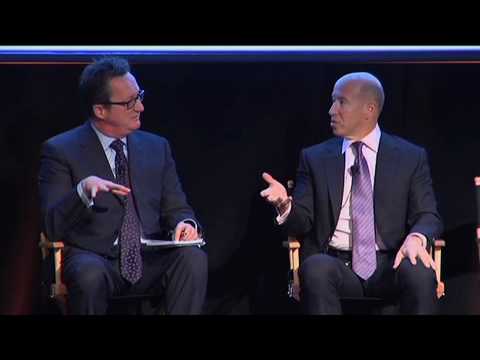
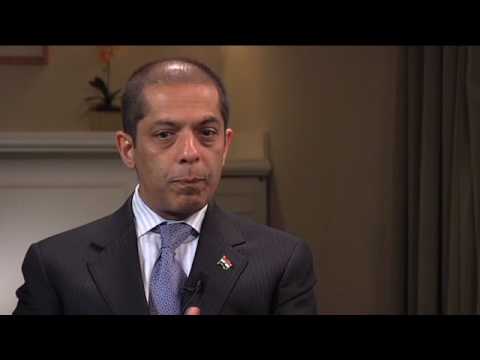
Wharton Professor of Business Economics and Public Policy Mark Duggan, talks about the first Presidential Debate.
Read the full transcriptHide the full transcript
- [Music] [Music] there was a big difference uh with respect to style I think many people and
- I as I watched it were uh uh interested to see Mitt Romney was very energized and excited to be at the debate last
- night and I think the president uh very articulate but perhaps a little less so so with respect to style I think there
- were there were some differences there in terms of substance they covered a huge set of issues uh and I think it was
- very interesting to me to hear them uh talk about tax policy Health Care policy energy policy what they're going to do
- about the budget deficit and many other critical areas that are really going to have a just huge effect on how the
- country performs economically in the years ahead with respect to the substance I think you know it's somewhat
- less clear partly because the two candidates could only summarize their own policies or their opponent policies
- at a very high level so some of these things are quite complicated energy policy tax policy Medicare policy and so
- forth and so I think on that Dimension it was somewhat less uh less clear uh but in in terms of the style I think
- many people agreed uh had the view afterwards that in terms of style uh that that the Challenger Mitt Romney
- fared somewhat better on that front so I think that the the mainam mainstream press enjoys the style stuff quite a lot
- uh and so but I think in terms of the voters and not just the voters but kids and people who don't vote just the whole
- country it's really the substance that's ultimately going to matter and in at some level I think it would be helpful
- if uh the media did a better job of educating people a bit more about the challenges that the country faces we
- have some really big challenges we have this huge budget deficit demographics that are going to change quite
- significantly over the next few decades as we go from having five non five non-elderly adults for every elderly
- adult to three for every elderly adult and that's going to create some strain on uh on the economy because of Social
- Security and Medicare and other things and I think to the extent that the media could do a better job educating people
- on these challenges that would I think make it uh more uh then it would make it helpful then more helpful to telescope
- in on the specifics of the policies because the policies end up being summarized at a very high level
- unfortunately and so that causes people to focus a little more on style than on substance
- I think on tax policy so tax policy is going to be quite possibly issue number one after the uh whoever wins the
- election and I think the debate did do quite a good job of highlighting the differences between the two candidates
- uh you know on the oneand uh Mitt Romney has a proposal out that uh involves lowering tax rates and broadening the
- base and one thing that he's been criticized for is not specifying how is he going to broaden the base when we
- talk about broadening the Bas Cas that might involve well let's get rid of the mortgage interest deduction or let's not
- allow people to deduct state and local income taxes from their taxes and so forth there's a lot of specifics as soon
- as you talk about those specific deductions immediately people say well wait wait a sec I'm not I'm not so sure
- and so I think one thing that Mitt Romney has been criticized for is even people like to hear lower rates but
- that's going to have to come along with something else if we're not going to have revenues plummet and so last night
- he he did sketch out in a in in somewhat more clearly what he has in mind on that front with respect to
- the president I think the you know the president sort of talked about the policies that he has been pursuing and
- that he uh continues to uh push for going forward so as an as one example I think that a big difference exists in
- terms of how are you going to tax very high inome people uh and it is I think there's they had a vigorous debate about
- that the the Obama uh Team uh the Obama Administration would uh basically push to return the tax rates to where they
- were let's say in the 1990s uh and the Romney uh uh plan would call for lowering them below where they currently
- are and that is that's a really big difference and that is going to have a big effect on the economy on budget
- deficits and other things too I think it was I think it was somewhat helpful but
- I think if you really want to understand what the different plans would mean for
- you and your family or for your company or for just the country I think one the debate wouldn't give you enough
- information unfortunately and I I don't fault the moderator or the candidates it's just it is somewhat complicated but
- I think it people who tuned into that debate and listened closely should emerge with a somewhat better better
- understanding of of the two plans so I I I think that I think the debate 90 minutes there's a lot to cover I think
- that that we learned quite a lot I think they did a good job of explaining why it's
- not great for the country to be running such a large budget deficits because essentially at some level we're leaving
- this burden to Future generations to our kids uh to basically pay for these these
- deficits that we are running up so I think they both did a very good job of sort of arguing why we shouldn't keep
- doing that uh and why in it's not in the country's best economic interests uh with respect to and we heard a lot about
- tax policy if you're going to lower the budget deficit I I think I I agree with the candidates that if you grow the
- economy more quickly that's going to help to reduce it but we're also going to have to make some difficult choices
- with respect to government spending and the Big Ticket items in government spending Social Security Medicare
- defense and so forth we didn't hear much about how exactly they would slow the spending on those programs and right now
- the the budget deficit in the US is quite large it's basically you know over a trillion dollars so in terms of per us
- resident that's more than uh $3,000 per us resident that's a lot that's a lot to be to be uh for us as a
- country to be borrowing each year and so how we're going to bring that down is is
- going to be driven to a large extent by what we do on spending and the candidates were pretty vague there
- [Music]
Brief Summary
The episode analyzes the presidential debate, focusing on candidates' styles and key policy differences, especially in tax and budget issues.
Key points
- Debate Style vs. Substance. The debate showcased a stark contrast in style between candidates, with Romney appearing more energized.
- Budget Deficit Concerns. The candidates discussed the significant budget deficit and its implications for future generations.
Episode highlights
- Debate Style vs. SubstanceThe debate showcased a stark contrast in style between candidates, with Romney appearing more energized.“In terms of style, the Challenger Mitt Romney fared somewhat better.”1:39Oct 4, 2012
- Budget Deficit ConcernsThe candidates discussed the significant budget deficit and its implications for future generations.“The budget deficit in the US is quite large, over a trillion dollars.”6:22Oct 4, 2012
Tension
40/ 100Low tension