Radical Innovation: Unleashing Creativity
Ask about Knowledge at Wharton
Episode Description
📂 Innovation;Management
Read the full transcriptHide the full transcript
- I want to welcome Kim Wagner to knowledge at Wharton today she's a partner and a managing director at
- Boston Consulting Group also BCG and Kim is an expert in corporate Innovation which is a topic near and dear to almost
- every company's heart these days and she's also the author of a piece of BCG research titled managing the
- unmanageable radical Innovation so radical Innovation for corporations that's quite something so
- tell me about why radical Innovation is important sure so first thanks for having me um why is radical Innovation
- important first let's define it so radical or breakthrough Innovation is where you're creating a new market or a
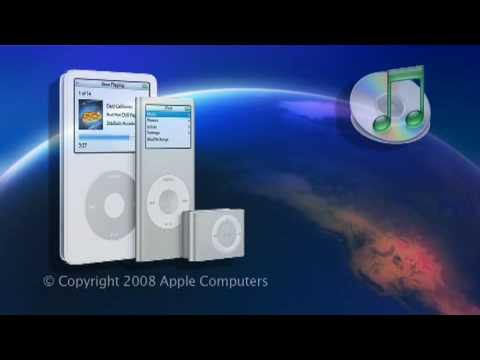
- new category of of products so it's when the iPod was first introduced it's when
- the cell phone was first introduced um it's remember when the wman was first introduced which now we think of as
- something archaic but at the time it was pretty revolutionary and so that's the category
- of of new products that we're talking about if you are a startup company um you start in typically the garage um the
- person who has the idea has the technology has the vision maybe in it may be in one brain it may be in Two
- Brains it's not in 5,000 brains so it's very easy to manage all the cross functional pieces you need to get a
- product to Market because it's in a limited number of people's minds or in their in their concept when you move to
- Corporate America the idea that you're going to do something breakthrough radical you know really different is
- really hard to do because you have a huge company with lots of processes and a history to protect and and numbers to
- hit and when you start to bring the idea of something really breakthrough and a lot of rules together it starts to get
- very difficult nevertheless it's important and great if you can do it if you can produce the
- next iPod so companies do want to do this they definitely want to do it interestingly our research shows that
- there's two kinds if you think about strong Innovative companies there's two kinds there's ones that say radical or
- breakthrough Innovation is an important part of my portfolio of products so I'm going to spend a certain amount of my
- time doing continuous Improvement on products that I have and then I'm going to spend another
- portion of my resources on things that are truly new to the world and apple kind of epitomizes that if you think
- about every Apple product there's always the next version the next version the next version but at the same time
- everybody's waiting for what's that hot new thing what's the Breakthrough thing and when you don't deliver that
- breakthrough thing there's huge disappointment there are other companies um and oftentimes it's it's you know
- your standard consumer goods companies but not always who do more incremental Innovation and they do a very good job
- of it they're extraordinarily successful they return well to their shareholders but they've focused their Innovation on
- incrementally adjusting either things that other people produce so fast follower or their own products
- creativity and Innovation are abstract ideas and people immediately seize on the on the idea that you you can't sort
- of legislate creativity or innovation and so it's hard to take processes and so forth and get them you know put put
- inputs in and have them go through a process and come out with creativity and Innovation um how do you view this yeah
- it's it's true you can't um but you sure as heck can take whatever creativity exists in an organization and kill it
- very quickly and so if you think about think about the evolution of of where you know kind of in the early 90s um
- Innovation and new product development was um that was the time that big Enterprise software packages were
- getting introduced into Corporate America there was a a desire to control things people were worried about waste
- they were starting to think am I investing too much in research am I getting out what I was supposed to get
- out and so a lot of um management science started to get applied to the Innovation process there started to be
- more metrics more forms more gates more if you want Capital you will need to jump through these hoops and so all of
- these processes serve to take the creativ that existed in any organization and make it
- very straight path so think of yourself as moving from side streets to Super highways it basically said we want to
- move on super highways and so all of a sudden um that shift makes the idea that you would like get off on an exit and go
- to a local diner for dinner it just doesn't happen CU you're on the Super Highway and you're trying to get to the
- next toll road so that process very very much took creativity out of organizations sounds like it would yeah
- yeah and now if you go talk to companies if you talk to the very senior folks often times they'll say we don't have
- the ideas we don't have the creative ideas if you talk three or four layers into the organization at the rockface
- what you hear is we have a lot of creative ideas we just can't fill in the form to get permission to be part of the
- portfolio anymore and so that starts to get it things like typically the quote form to enter the portfolio requires you
- to have some sense of what the forward Revenue stream would look like not only how much is it going to be what's the
- cost of goods going to be and when can we expect it is this three years out or five years out and and often for a
- breakthrough Innovation you can't even comprehend that yet you're still at the stage of I need resources to test if
- this is even possible as opposed to I'm ready to tell you how much money you're going to
- make you have an interesting example on your paper I think Corning for example and it's people may not realize they
- used to make cookware right they still do and and and Industrial things too but then suddenly uh with the world of of
- the internet Digital World fiber optics and so forth the the products that they made were uh lent themselves incredibly
- well to to that industry but but they made all these things and somewhere inside a coring was a division that was
- working on that how did they I mean how did they break through and get management to to pay attention or was it
- just so obvious that hey we've got the right technology here to do this this is a no-brainer it wasn't a no-brainer was
- it it wasn't a no-brainer but remember it came out you know this is all stuff that happened in the 50s 60s early 7s so
- it was the same time as Bell labs and IBM labs and lots of labs and so a lot of industrial companies had these almost
- pure research institutes associated with them and that was great and and there was a lot of great Innovation that came
- out of it there was a prior work that was done by many other scientists both in academic
- labs and other commercial Labs that showed that you could pass light through fibers in a way that you didn't have to
- add a lot of repeaters so basically the the technology was if you could imagine sending a signal down a copper wire the
- signal could only go so far before it faded out and you had it to reamplify it with a light path you could go much much
- further and so the the there was a lot of technology and and proof of concept around we could make a fiber and and it
- started off as just I want to make a optic fiber like I would a copper fiber and so it wasn't for the why there was
- already some uh evidence that showed that you could send a signal down it you could send an audio track down it you
- could send an image down it that was all academic work but you know what I mean by down it is not like miles and miles
- away it was like from a point B really close in a lab so they started that in the 70s they
- proved that they could make that cable so to speak they then in the late 70s formed a a joint venture with another
- company to start thinking about how do I commercialize it the research that they
- started with happened in the 60s so you're going from the 60s to the late 70s before you're even thinking about
- commercialization and then there were many kind of mistakes along the way or you could call them learning
- opportunities like in the' 70s we weren't quite ready for a video phone yet you know it was technically possible
- but the idea that the infrastructure would be out there and people would start buying them was really not there
- yet except at Disney world except possibly at Disney World or in other proof of concept type situations and so
- um you know there were opportunities for Corning to learn as they go and and go down some paths and decide maybe it
- wasn't time yet back out and go down other paths uh there's also an idea that you
- can't follow every idea this was a great idea and it worked out most of them are
- dead ends how do you know how far do you follow them and uh how do you figure out
- which ideas give you the best odds for Success yeah this is where you have to remember that Innovation is part science
- and part art and actually if you think back to what we did in the 90s when we tried to really industrialize Innovation
- is we tried to take all the art out of it almost push the button and hope that innovation comes out and actually that
- works very well if all you want to do is change the flavor of something change the packaging of something so
- refinements yeah refinements and incremental Innovation if you want to actually go to the the step of something
- new to the world um there you have to bring back the art and often times when you know is when you reach the end of a
- of an investment period and you sit back and you say what do I know and based on
- everything that I know now can I get a product I think or not and what are the critical risks to
- getting a product and then that's what you test next so you take an incremental learning approach and if each time
- you're getting closer and closer to a product you keep going if all of a sudden something happens and you realize
- that the risks are too high the technolog is not in play you either shove it you sell the IP or or you stop
- another point that you make in this paper which I think is maybe not surprising but really important is that
- old ways old processes just looking at kpis uh and that kind of thing the way companies typically go about things can
- actually not just not Foster Innovation they can actually kill it or hurt it slow it down so how are companies
- supposed to think about that on the one hand these tools are good for certain things but you have to be careful how
- how you use them right and and you don't want to completely abandon them because
- you know this radical Innovation project this breakthrough innovation has to exist within the confines of the
- corporation where you're doing incremental innovation in parallel so it's mostly about thinking how do you
- learn with a program and so um often times uh companies will have a stag gate process where in order to get say a
- release of capital funds you need to check off certain boxes around future Revenue future cost of goods uh proof of
- concept you design criteria and the like um rather than thinking about checklist
- and stages and that you think about learning and you think about how what are my unknowns and what do I need to
- learn to go to the next level and if you keep this rigorous learning process going then you can quickly decide do I
- have something there or do I not have something there but none of this is going to be a metric of what's the
- future Revenue yet eventually you'll get there I mean eventually you have to get
- to the point where you manufacture whatever you're going to manufacture and it has to fit into your manufacturing
- plants just like every other product so it's not that you abandoned it it's just
- that early on you need to protect it from the metrics killing it because if you do a pure rack and stack on things
- like probability of success this is going to have a low probability of success but a high potential return in
- the event of a success and that you know just drawing a line on a rack doesn't doesn't help so it says balancing
- between creativity and Serendipity even and having some some hardcore process to
- kind of monitor what's going on and measure and make some judgments along the way right right you need to govern
- it you just can't overover it so and successful companies rarely follow traditional management practices they
- have some quirky way or some different way of doing things can you talk about what right can you generaliz can you
- generalize about creativity so so what's interesting is if you if you talk to companies that have very rigorous
- processes in place which so first thing um what we've learned is that to be a good breakthrough innovator you have to
- start by being a strong innovator so there's a certain base of you need to know how to do innovation in a corporate
- setting in order to be a breakthrough innovator in a corporate setting so if you want to go to kind of plan B and and
- break a piece of your portfolio off into in into breakthrough you need to start um by saying what do I need to Shield
- this from there are some companies that have a thoughtful process they maybe call it
- a swim lane or a breakthrough path or something that allows it to exist in its own type of governance for a period of
- time until it has to intersect with the regular process um companies that are not as proactively thoughtful but still
- successful it turns out that they had a skunk ORS they had somebody who was very
- senior who thought that this product had to go forward it had to be protected they found a way to make it happen they
- kind of broke the rules on the side they had their little team and then when it was ready for prime time it got
- introduced into the portfolio so um that latter one's harder to replicate right that's it's much harder to replicate an
- entrepreneur in your midst and and someone somehow they got to a position of power where they could just let it
- run right but what you often find so if you go into a company and they say we really want to get good at this you
- start by asking them what were the Breakthrough products that they've launched over their history and then you
- start to understand how that got through how did you manage that and then you start interviewing people and you you
- talk to the older folks that were there then or were actually Junior then so they're senior managers now but they
- were on the working team back then and you often find the examples of the Skunk Works thing worked so how do we now make
- that a normal part of business how do we accept the fact that this is a piece of
- radical Innovation and and now how do we control it in an appropriate way it's already in the culture so try to harness
- that in some way or it used to be in the culture and don't be afraid of it right
- okay because you may have squashed it out of the culture so um do you have a a kind of sounds crazy
- to talk about Blueprints and creativity Innovation but we're talking really about balancing the two with some kind
- of processes so do you have a u a list of processes that companies can follow to help them as they allow the
- creativity to run wild in their companies well you don't want it to run wild so so they don't run wild so so
- typically um you know what we find again being a strong innovator is important so
- you need Senior Management um support for this and you often need more Senior Management visibility and support to do
- radical well than just merely being a strong innovator um there's typically a focus on intellectual property um
- interestingly radical innovators not only worry about intellectual property from the perspective of can I protect my
- product and do I have the permission to operate in this space they also think about it in can I create a business
- around this IP on top of it so they often have a side business around monetizing intellectual property that
- they create um they have strong portfolio management processes they have strong project management and new
- product development and governance processes um and they have a customer focus they're very focused on what their
- customers need um and not necessarily what their customer customers tell them they need but what they intuitively know
- is an unmet need of a customer so focus on customers but not overly reliant on focused groups yeah because you I mean
- if I asked you 15 years ago do you want an iPad you would say why would I need such a thing because 15 years ago you
- were just getting used to lugging around a laptop so you know if you think about
- it in those terms you just you kind of have to have the vision always something new Under the Sun right all right well
- thank you thank you [Music]
Brief Summary
Kim Wagner discusses radical innovation in corporations and the challenges of fostering creativity within structured processes.
Key points
- The Importance of Radical Innovation. Kim Wagner discusses why radical innovation is crucial for companies today.
- Challenges in Corporate Innovation. Wagner highlights the difficulties large companies face in fostering breakthrough innovations.
- Balancing Creativity and Process. Wagner emphasizes the need to balance creativity with structured processes for innovation.
Episode highlights
- The Importance of Radical InnovationKim Wagner discusses why radical innovation is crucial for companies today.“Radical Innovation is where you’re creating a new market.”0:41Oct 24, 2014
- Challenges in Corporate InnovationWagner highlights the difficulties large companies face in fostering breakthrough innovations.“You can’t legislate creativity or innovation.”3:27Oct 24, 2014
- Balancing Creativity and ProcessWagner emphasizes the need to balance creativity with structured processes for innovation.“Innovation is part science and part art.”9:18Oct 24, 2014
Tension
45/ 100Some tension