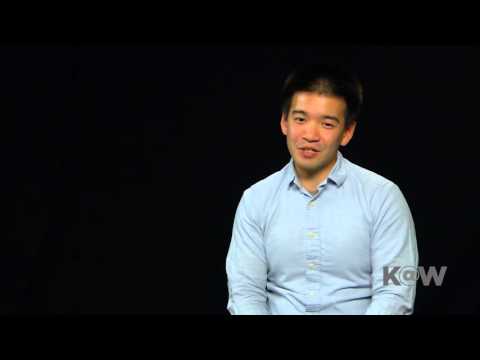
Rogg David SF
Ask about Knowledge at Wharton
Read the full transcriptHide the full transcript
- I think who can look at things a lot of different ways and I'm not the most adept at it among the forecasters but
- that's definitely my type so I was a good fit but I was also driven because I'm acutely aware of the trouble the
- world is in and I think the as much as they have a dark side us organizations like I ARPA and the intelligence
- community in general that need all the help they can get we are basically the good guys and so so there's plenty of
- you know driving force behind my interest it's painfully clear that the more the
- wiser and more thoughtful and rational you are the better you're going to do and so I'm afraid you know that this
- kind of the same people who would do better a lot of different things that require mental effort are the ones that
- rise to the top and forecasting I think what's special about forecasting is that
- if you're a really natural researcher that can get you quite far and I just completely admire and am grateful to
- those of us who are so good at it and who have you know far-flung connections to decision centers in the world it's
- i'm sort of a free rider in that way so there are two things that are really important and so I come from one side of
- that I'm a person who was a natural for computer programming for example but not
- a natural for writing or researching easy-to-follow tip is do it every day and every question that you're
- forecasting have a look every day to see if anything has changed you when things
- do change it significantly tends to come as a surprise and if you missed that day
- well you blew that forecast for that day the my approach is to try to think through causal mechanisms and and try to
- think of all the influential factors that I can think of and and try to visualize scenarios and and balance
- probabilities among scenarios things like that this is a little different than what I think most of us are led to
- do by the training we've had which is it's not that the training doesn't cover probability and that's critical but it's
- to look at the categories of the questions we're forecasting and try to find parallels in the past and look for
- rates of occurrence and try to use those rates I I think that's helpful as a starting place but it's not going to get
- you a very good score if that's all you do and I think the difference between you know sort of phoning it in and and
- getting a good score is understanding the situation as well as you possibly can and and that's the what phil has
- Phil tetlock has called the inside view as opposed to the outside view he emphasizes the people neglect the
- outside view but i think it's the inside view that that really matters to get you
- exceptional forecast that that actually could add could give real value anyway that's the inside view
- become comfortable with researching problems have a great interest in what you're forecasting don't hesitate to dig
- right in two you know study something new just get into it don't don't neglect if you have any bent at all for
- statistics and probability bring it into play you know but that's kind of obvious
- anyone who has that choice I guess actually that the this might come up in your last question I didn't forget but
- part of the muscle you want is the muscle you want to strengthen intuitively is the muscle for balancing
- scenarios against each other and sort of averaging out probabilities intuitively
- waiting them properly things like that balancing things against each other intuitively that are things that are
- pointing in opposite directions this is this is something to get better at and feel easier about by practicing
- it's been huge and for first off you get exposed to a lot of wonderful people whom you tend to maintain some degree of
- contact with I've had a couple of of my teammates visit me at my house one who's
- from South Africa the other ones from Spain it's true they were on washington for other reasons but that's an example
- and I I'm glad to stay in touch with a lot of the four can factor there have been others as well from the DC area
- anyways I'm glad to stay in touch with these new friends that's that's see that's a big thing and just as big is
- there's nothing like reality focusing on reality and how it works out and you tried to see the future and maybe it
- worked and maybe it didn't end you you sort of mentally record it's there's feedback going on that's it's extremely
- good feedback for turning you into a more rational person it's it makes you a more balanced person a more rational
- person easier to live with perhaps I don't know but it's all good it's been very rewarding and this doesn't mean
- that the forecaster shouldn't also be rewarded in other ways but this myself is rewarding and I'm and I'm sure that
- the others feel much much the same you
Brief Summary
The episode covers forecasting techniques, personal growth, and the importance of research in making accurate predictions.
Key points
- The Importance of Forecasting. Understanding the world’s troubles drives effective forecasting. 'We are basically the good guys.'
- Daily Research Habit. A daily look at forecasts can prevent missed opportunities. 'If you missed that day, you blew that forecast.'
- Inside vs Outside View. Phil Tetlock emphasizes the inside view for exceptional forecasts. 'The inside view really matters.'
- Reality as Feedback. Engaging with reality enhances rationality and balance. 'It's extremely good feedback for turning you into a more rational person.'
Episode highlights
- The Importance of ForecastingUnderstanding the world’s troubles drives effective forecasting. 'We are basically the good guys.'0:44Feb 25, 2016
- Daily Research HabitA daily look at forecasts can prevent missed opportunities. 'If you missed that day, you blew that forecast.'2:40Feb 25, 2016
- Inside vs Outside ViewPhil Tetlock emphasizes the inside view for exceptional forecasts. 'The inside view really matters.'4:22Feb 25, 2016
- Reality as FeedbackEngaging with reality enhances rationality and balance. 'It's extremely good feedback for turning you into a more rational person.'7:18Feb 25, 2016
Episode quotes
Tension
30/ 100Low tension