Senator Claire McCaskill on Embracing Ambition
Ask about Knowledge at Wharton
Episode Description
In a new book, Plenty Ladylike: A Memoir, Senator Claire McCaskill shares the story of her life in politics. More: http://knlg.net/1kjAhB8 📂 Leadership
Read the full transcriptHide the full transcript
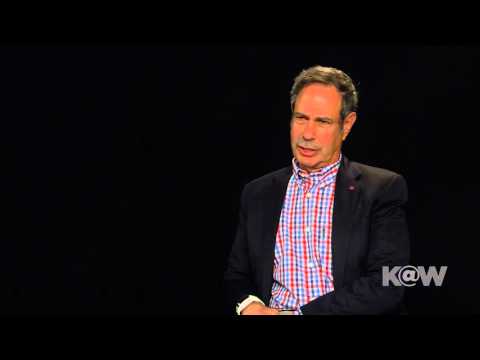
- hi I'm Laura Hong professor of Entrepreneurship at the warten school I'm here today with Senator Claire Mill
- who is here to talk to us about her book plenty ladylike Claire welcome thank you
- so excited to have you here thank you so I really enjoyed reading this book I especially love reading Memoirs and this
- was a memoir of course um and I was just curious what kind of brought you to writing an Memoir what what led up to
- this well my 2012 reelection really had a national profile because my opponent was um the lame brain who said that the
- woman's body has a way of shutting itself down if it's a legitimate rape so the race got a lot of attention and I
- had engaged in some really high-risk uh strategy in that race that I think represents what more women
- should do in their careers and that is take risks so I wanted to write the book about that campaign
- and the strategy I embraced and then once I got into it the publisher said well your whole career has been full of
- owning your ambition and being risky so why don't we tell more stories than just
- the campaign so it's really for young women it's for women um who are uncomfortable saying they're ambitious
- it's for women who um feel that security is more important than getting ahead um
- it's for women who are facing that moment where they don't know if should they should take a risk uh this is
- supposed to be a gentle push to get more women to be Risk Takers yeah and I kind
- of loved that that was this theme throughout the book was that you're very ambitious and you you create this really
- interesting narrative about how you're almost Unapologetic about this um but also admitting some things in there that
- a lot of people would be very apologetic admitting so one of my favorite anecdotes is from one of the earlier
- chapters where you talk about how um a failure to make a cheerleading squad then uh launched you into this campaign
- one of your first campaigns uh so can you tell us a little bit about that High School campaign that you you underwent
- sure sure I had been a cheerleader since junior high I thought it was everything
- I uh didn't make it for my senior year in high school and I thought the world was over uh and so I began a stealth
- campaign that I've never talked about until this book um because what I decided was I could be homecoming queen
- so I describe in the book um how I went about campaigning for homecoming queen I
- did the math I figured out that the homecoming queen every year was the girlfriend of the quarterback or the co-
- Captain well there's only a couple of those but there's a lot of linen um there's a lot of tackles and guards and
- linebackers and and guys in the secondary so I began making friends with um the people that weren't the
- quarterback and as it turned out it worked uh they ended up voting for me for homecoming queen and I was of course
- embarrassed and am still kind of embarrassed that I did that but I wanted to tell the story because I thought it
- was an example of how you can Embrace um a strategy and get something done and in
- the process I made a lot of friends I wouldn't have made otherwise so it ended up being a win-win a lot of those
- linemen are my friends to this day but I also figured out how to do the math in a
- political campaign so I love that story because I was a cheerleader in high school but I was not homecoming queen so
- now I'm thinking hey I could have actually done something exactly so the that kind of illustrates also that one
- of the themes was that there's ups and downs so all through your career these there's been these ups these incredibly
- High Highs but also these incredibly low lows and you know as you read the book there's this Narrative of everything
- seems to build on each other is this something that you really thought about in terms of your career that there's
- these ups and downs in just navigating these waves or is this something more in retrospect that you really as you were
- reflecting um pieced together in this very cohesive narrative at the time I don't think I thought of it as ups and
- downs I was very focused on a goal and I was just driving towards that goal and every problem I encountered especially
- some of the sexism I encountered early in my career when I went to the state legislature in my 20s I used that as f f
- um rather than confront it perhaps as I should have I internalized it and said I'm
- going to show them I'm going to show them I will be better than they are I will go farther than they're going to go
- I will achieve um what I thought was going to be my ultimate accomplishment which was governor of Missouri as it
- turned out I lost that race um but because I lost that race I went on to win the senate seat so I guess looking
- back it is and of course I all my personal stuff in there my divorce and the problems um with my first marriage
- so it does you know have the ups and downs but to me at the time it was just me headed towards something I wanted
- very much so let's talk a little bit about that fuel right because there's also this this uh ambition versus um
- this femininity sort of balance that you have within the book as well right um you had said at one point in the book I
- managed to achieve a delicate balance of being tough but with a softer approach right so talk
- to us a little bit about that femininity right the you know you said I'm used to
- people approaching me to talk not about my job but how I look and that sort of thing and how you balance that with your
- ambition well I I think um I I say in the book I'm not sure I did it right I I and that's one thing I want to stress I
- think there's way too many women who write books who have accomplished things in their life that do it almost looking
- down like this is how I did all the I hey I don't I don't get it right every day I didn't get it right in my life
- many times and perhaps when I was confronted especially with some of the cruel sexism early in my career it would
- have been better for me to be brave enough to be more confrontational at the time I thought it was going to hurt my
- career so instead I used a sense of humor um I became very good at self-deprecating humor
- um I became uh very good at laughing with my male colleagues uh even though sometimes those jokes were at my expense
- I was willing to endure that because I thought if I came on too strong it would limit my Effectiveness especially in a
- legislative body when how you get along with others um is is very important in terms of your ability to accomplish the
- goals that you set out to accomplish so uh it really was this mix of um spine of
- Steel but a big smile and willing to laugh um at sometimes even at jokes that hurt and that whole time you really
- stressed being prepared and working hard right I noticed a lot throughout the book how hard you actually worked um it
- was almost a crash course in politics because I didn't understand actually how much went into these campaigns and how
- much work went into a lot of the investigative things that you had done so in terms of preparation right talk to
- us a little bit about how you prepare and how you've prepared throughout your career and what hard work means to you
- as a woman who both has ambition and this femininity side well it's interesting I don't know that it's as
- much of a challenge for young women today but because there are more women there are more women at Warton there are
- more women in law school there are more women in med school there are more women
- although still not enough women in boardrooms and still not enough women that are CEOs uh there are Role Models
- out there when I began in politics when I began in the prosecutor's office as a trial prosecutor there were really no
- women around to speak of that I could see as my role models so it it really was um trying to go along to get along
- but I was always sure that if I knew more that I could have credibility so the fact that I was a prosecutor helped
- counter the fact that I had had a lot of long blonde hair the fact that I knew my
- way around a courtroom that I had tried a lot of criminal trials when I came to Jeff City that gave me credibility that
- women sometimes hadn't had coming to Jeff City perhaps replacing their husbands who had died or even coming
- from a more traditional female career I came with a background that really helped me um establish myself as someone
- who is very knowledgeable in CRI law and that I think helped very much me kind of
- get over the hump of being taken seriously and even roles you had later on so there's this famous earmarking
- speech that you gave where Chuck Schumer said it was one of the top 10 speeches that he had ever heard that was behind
- closed doors can you give us a little bit of insight into that speech well I you know
- I I I ear marks um you know the short definition of ear marks is congressionally directed spending the
- longer definition was that PE senators and congressmen would go behind closed doors and sprinkle fairy dust to decide
- where we were going to spend money and it was usually based on how senior you were what party you were what committee
- you served on so I was sitting in caucus one day and someone was with righteous indignation saying how great ear marks
- were and I just had enough I had just had enough and I just stood up and said hey all you appropriators love them
- because you get most of them and I just basically kind of did five minutes of um
- me going off in a passionate way about all the flaws of the ear marking system and how it wasn't based on Merit and how
- in many ways it represented the worst of what Washington does because it's all about who you know not the Merit of the
- project and so I um that that was uh a time that after that speech um our Cox decided to not do ear marks and so there
- it's that's a a great example of you really being you being true to yourself being really authentic um you said in
- the book I've seen people go to Washington and lose their sense of purpose and their sense of self right
- and that's very easy to do because you're in this uh you're in this field that's um you're facing lots of
- constituents you have internal external people that you're dealing with so you know you mentioned earlier in terms of
- you being yourself but also having to to manage your colleagues your the people you're dealing with how did you do that
- how are able to to manage this very fine sort of balance this well you got to get
- comfortable that everybody's not going to like you you know I talk about in the book in the last chapter of the disease
- to appease and I think women have a much more serious case of the disease to appease sometimes than men I think we
- all I mean I I want everyone to like me and most people who go into politics really want everyone to like them
- because they've chosen a career where you put yourself out for public acceptance or reject ction every two
- four or six years so it it's hard to get used to the fact that people don't like
- you but you can't get anything done if you don't make somebody mad it's impossible to get anything done without
- angering someone so you've just got to get comfortable I mean when I gave that speech there were people in my caucus
- that were Furious that like who does she think she is and probably some of them think that to this day but that's okay
- um you don't have to have everybody like you uh obviously you need to take care of your family and your good friends and
- try to make friends but it shouldn't be a kind of exercise where you're trying to please everyone all the time that's
- why people are so sick of Washington well why do you think it's so difficult for women especially to to be okay with
- that to you know so women really want people to like them why do you think it's there is this gender difference I
- think we're natural negotiators I I mean we have strengths that men don't have I
- think we are more consiliary I mean I in speeches to women I like to talk about um I give speeches to men sometimes I
- have men raise their hands when have you ever had the nerve to punch somebody have when have you had the feeling you
- wanted to punch somebody and it's surprisingly common among men it's not that common among women so there is not
- that combativeness um that sometimes I think gets in the way with men um I think
- women can be hyper competitive but I think there is a desire to kind of sugarcoat it and say oh I really want
- you to get it too or you know I want you to be my friend and oh I want us to get
- along instead of powering through a situation and trying to just get something done even if it means um
- stepping on toes so let's talk a little bit about that women supporting other women versus women not wanting to
- support other women because they want to um you know still be in that finite population you told a story in the book
- about um you were a young uh state representative and you wore a leather skirt into an event um and somebody had
- asked uh at the party who is that person um and they told they said that's a state representative and they said well
- who is the that she's with that he's with that he's with um and you know in that kind of illustrates that some
- women and that was a woman who was asking this this question so some women are very that want to be mentors and
- supporters of other women and then I'm sure you found that other women's have not been as as supportive can you talk a
- little bit about that dichotomy I it's interesting and I it's such a waste of of energy um but I think women are hard
- on other women now don't get me wrong I talk about this in the book I'm not saying that women should give other
- women a pass uh I think women um have to compete on Merit and no one should be entitled to get a job or to get a
- promotion or to win an election because they're a woman um but if a woman is um it's it's almost as if sometimes women
- try to find flaws with other women and I don't know where it comes from but I know it's negative and I know it's not a
- pretty place where it comes from um and I think it's um I've tried in my career to bite my tongue when I want to be
- hypercritical of other women because there is this tendency to I think do that and I I just want women to realize
- that we need to support each other it's especially important if you're in a male
- dominated field I talk about the queen bee syndrome where when I went to the legislature there were some women who
- were really wanting to Mentor me and help me and there were other women who were very uh standoffish and undermine
- me and so you know women get to choose which they want to be and I just hope more and more women choose the nurturing
- mentoring um colleague as opposed to uh she's my competitor they maybe will only
- take one woman can I cut her off at the knees right and this it's very hard in such a demanding sort of Arena um and
- you had a lot of demands placed on you and one of the things that I also reflected on as I was reading your book
- was that the number of times where you were able to remain calm and have Grace Under Pressure um there's one instance
- where um you you spoke about um when Barack Obama was pulling out of Missouri and you said well I have given so much
- and I have and you basically went into another room calmed yourself down and then came back out and gave that
- argument now that's really difficult to do how have you been able to to do that when you when you are
- faced with these extreme sorts of pressure situations where you just want to explode um how do you actually step
- back and calm yourself down well I you know I don't know I think it's um probably how goal oriented I am um I
- think part of that is owning your ambition um because I was ambitious and comfortable with being ambitious
- everything was really will this help me reach my goal and sometimes being histrionic or letting your emotions show
- too much I'm not saying that you have to be you know The Iron Lady or not have feelings I think frankly being
- vulnerable is part of being a more attractive candidate um for especially for bigger jobs in politics so people
- can relate to you but you also have to be careful that you don't um allow the emotional moment get in the way of your
- ability to communicate because at the end of the day um if you fail to communicate especially if you're in
- political office then you fail at your job so speaking of vulnerability what makes you nervous you've seen so much
- now what still kind of gives you the Jitters that you feel like you have to do that extra set of preparation for
- that really makes you nervous going out to do anything that comes to mind I think I I when I'm speaking on behalf of
- others um I've done a lot of surrogacy work I did a lot of work for Barack Obama when he ran for president uh I
- debated Karly fiorina on Meet the Press she was representing John McCain I was representing Barack Obama I'm trying to
- help Hillary Clinton right now um it's one thing when I'm speaking for me but when you're trying to represent um a
- candidate you believe in you want to be extra careful and cautious that you don't end up making a gaff that hurts
- them so I think that probably is where I try to be um not too careful cuz then you're not authentic but careful that I
- don't um mix that I'm speaking to help another candidate as opposed to necessarily um trying to push my own
- agenda and that's that's hard but I I really have gotten to the point now that I don't mind making mistakes I'm
- comfortable making mistakes my mouth has gotten me in trouble so many times Well
- speaking of which has Hillary forgiven you uh yeah no she's fine um uh yeah we're fine and uh the the Clinton family
- um were fine I think um they understand that you know I've I apologize for saying a comment that was
- gratuitous and painful and hurtful to them which I shouldn't have done but I have at least getting in trouble a lot
- for saying exactly what I think kind of now um makes me really comfortable um saying what I think knowing that um I
- try not to make mistakes but if I do if you say you're sorry and you're genuine about it people pretty forgiving yeah
- okay so the last question I have for you is really in terms of this balance um and this authenticity what is your
- philosophy on motherhood you've raised three children um you have stepchildren you have lots of grandchildren you know
- are you a strict mother how how have you really balanced this in terms of your career and and being a mother your other
- important role well I think uh one thing I try to do in the book and I want women
- who are working um to get this part uh you know mothers who don't work outside the home are not perfect and mothers who
- do work outside the home are not perfect there is not a perfect mother um mothers
- are like snowflakes they're all different and what you do is you prioritize your children in ways that
- are meaningful and for me I managed my guilt by um really not sweating the small stuff I forgot about the dust
- bunnies under the bed even though um my mother-in-law would test Tusk when she'd
- come over sometimes my kids clothes weren't pressed like mine were when I was a little girl um and but that's okay
- uh I asked my kids when I was writing this book what did you how did you suffer because of my work tell me what
- what I failed you I want to know now that you're grown what hurt and um Lily goes well will my youngest child said
- well really Mom the only thing I remember is that I always had Lunchables right for lunch instead of H sandwi now
- I don't know if she was trying to make me feel okay right and she said she actually liked it she said because
- everybody wanted to trade for her lunches now I'm not sure if that's true or if she was trying to make me feel
- good as as a grown child and a mom who uh Ador her and I hope she adores me but either way I figure the parenting turned
- out okay because either she wanted to make me feel better which means she was you raced her with the Val with empathy
- and understanding how other people feel or um the Lunchables weren't that big a deal so I I think that um politics has a
- lot of flexibility for women in terms of their schedules and I think there are too many women that shy away from
- politics because they're worried about having a family and what they see as the dirty rotten world of political life and
- I hope this book um tells some young aspiring women politicians that they can be great moms and have a full personal
- life and also go out there and get some stuff done in the public sector that needs to be done that's great and I
- think this is a real really nice lesson in Balance because I love the way that you know even asking you these questions
- I see your eyes light up when you talk about your career and then I ask you about your family and your eyes light up
- as well and so I think that that's a real sign that you've been able to do both of them um in a really graceful way
- so thank you so much for joining us today thank you thank you [Music]
Brief Summary
Senator Claire McCaskill discusses her memoir, ambition, and the challenges women face in politics.
Key points
- Claire Mill's Memoir Journey. Senator Claire Mill shares her journey of writing a memoir inspired by her political career and personal experiences.
- The Homecoming Queen Campaign. Claire recounts her stealth campaign for homecoming queen after not making the cheerleading squad, illustrating her strategic thinking.
- Navigating Gender in Politics. Claire discusses the challenges women face in politics, including competition and the need for support among women.
- Balancing Politics and Family. A heartfelt discussion on how women can manage both family and political careers.
Episode highlights
- Claire Mill's Memoir JourneySenator Claire Mill shares her journey of writing a memoir inspired by her political career and personal experiences.“This book is for women who are uncomfortable saying they’re ambitious.”1:16Oct 20, 2015
- The Homecoming Queen CampaignClaire recounts her stealth campaign for homecoming queen after not making the cheerleading squad, illustrating her strategic thinking.“I began a stealth campaign that I’ve never talked about until this book.”2:25Oct 20, 2015
- Navigating Gender in PoliticsClaire discusses the challenges women face in politics, including competition and the need for support among women.“Women are hard on other women, and it’s a waste of energy.”14:05Oct 20, 2015
- Balancing Politics and FamilyA heartfelt discussion on how women can manage both family and political careers.“You can be great moms and have a full personal life.”21:22Oct 20, 2015
Tension
45/ 100Some tension