The Final Frontier: How Entrepreneurs Cracked the Aerospace Industry
Ask about Knowledge at Wharton
Episode Description
Space exploration is a complex, highly technical and increasingly expensive endeavor. What’s enabling more private firms to jump into the fray and achieve success? More: http://knlg.net/2eU0CUN 📂 Innovation;Management 🏷️ Research
Read the full transcriptHide the full transcript
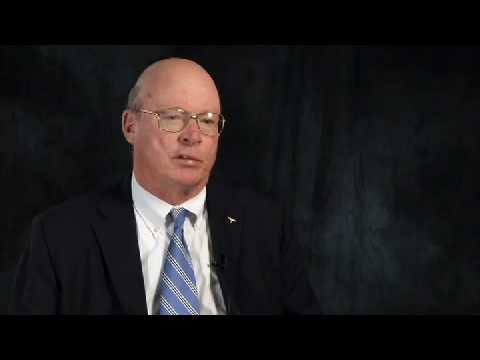
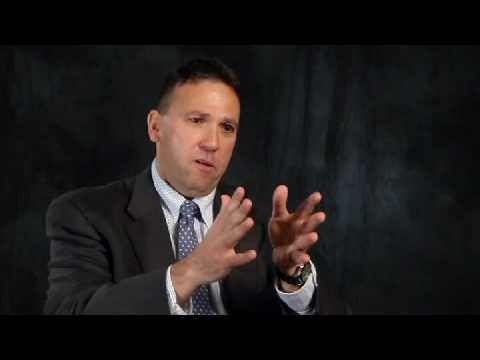
- we're here today with Wharton professors Laura Huang and anoop menon to talk about their new paper which looks at
- entrepreneurial activity and the impact of watershed moments anoop and Laura thanks for being here with us today
- thanks for having us so first of all could you please give us a quick summary of the problem that you were looking at
- that you're studying in this paper absolutely ah so this is a question that's near and dear to both our hearts
- we're big aerospace buffs and so the question we were starting with is we look at the aerospace industry and even
- the past five years or so there's been a huge amount of buds right so there's Elon Musk there's Mars colonization
- these days you know space travel but on the other hand this aerospace is an industry which is a classic example of a
- hard to break into industry this is a really entrenched industry very high entry costs because of capital
- requirements skills that are required the top engineers that you read regulatory connections that you need to
- have so just like if you were to ask me a classic example of a high entry barrier industry this would be it many
- people had tried to enter it to do private space and had failed but all of a sudden in the past a decade or so big
- change so that's what kind of got us started like okay what happened here why what drove this changing can we
- understand something about industry evolution and entrepreneurial entry by studying this particular case so yeah we
- were kind of we were interested in this sort of aspect that there's these new private firms that are entering this
- industry right so um so I was really interested in looking at these private firms anup was really interested in
- their cognitive models and and their mental models and our third co-author Tiana's Azul who's at London Business
- School was also interested in this aspect of entrepreneurial entry and so we have this industry where in the past
- it's been so difficult to actually enter but yet we see that this progress has been made in the past sort of decades so
- we really wanted to investigate why that was and how did that happen great now total tell me a little bit about how did
- you do that then what did you find once you did that because it seemed to me that that's a
- pretty amorphous thing to try and study so I mean how did you go about looking at it absolutely so we basically we
- recognize that this has been this is an industry that has a lot of history obviously so we went back back to the
- 1950s and even earlier than that we've been looking at conference proceedings so we have 21,000 articles conference
- proceedings documents dating back to that time period all the way to the present day and so we looked at sort of
- what was happening what are these the changes where do these changes come from and we also supplemented it with lots of
- interviews with regulators engineers people at all these different sort of all of the different touch points that
- that that would be in this industry in fact one of the fun things to really fun things about this project was I got to
- talk to an astronaut I got to talk to a colonel in the Pentagon I got to talk to
- NASA people's was spent at sometimes on this very dangerous right sometimes all in the same day sometimes you write and
- and there they've been incredibly willing to kind of share their own thoughts on this industry and so we've
- used that and and looked at the both the the conference proceedings and all these
- documents we had and kind of tailored it and and thought about all of these different angles that we could look at
- it now was there a particular watershed moment cuz like when you say a watershed
- moment is it always one specific discreet thing or can that be a little more like is that it can be a little
- broader than that like when you say that was there one one moment for this industry or was that one moment sort of
- a bunch of different things that happened or right in fact it might be helpful to just build up a little bit to
- that right so the literature if you are the academic literature on change art and like how do industries change where
- the opportunities come from they tend to look at either like big breaks in technology so technological
- discontinuities or big regulatory shocks that happen or some sort of like social
- movement collective action gonna these are like three big buckets that have been talked about and there are aspects
- of that here too but here what was interesting is the cognitive element as well and that's
- where this watershed moment comes in and what what we mean by that is if you think about any industry especially
- these kind of stable long-standing industries you have the major players in the space who all have beliefs about who
- does what how things work the rules of the game if you will almost tacit rules of the game and if anybody tries to
- deviate just by themselves they get kicked out or like they get pulled back into it right so these are relatively
- resilient mental structures or collective mental models that kind of define the rules of the game for the
- industry and what we're trying to say is that these watershed moments are big shocking events which caused actors in a
- space to like really sit back and wonder hey should things really be this way always and so to your question we had
- least from our chats it resonated very very much with what the articles were saying as well two sets of watershed
- moments one ok there's the initial big watershed moment which is the Sputnik moment and it is a term by itself right
- so Sputnik gets launched and all of a sudden over here we freak out like oh my god and that causes NASA to be found at
- DARPA to be founded big changes all of a sudden space goes from being a backwater
- to being top of you know this is the Cold War being played out in space so that gels the collective mental model
- around the belief that Oh space is for big governments big firms failures not an option a lot of money is required
- only the top talent can be here so that's the set of beliefs that gels around this goes through the Apollo
- program through the 80s as well the shuttle program but the first set of shocking watershed moments happen at the
- end of the 80s so you get the Challenger disaster which very shockingly very vividly demonstrates to the public that
- you know what maybe the government doesn't always get it right maybe you know things can go really badly wrong
- the same time you get the Cold War ending the berlin wall falling like literally
- and that causes many people to question like okay why are we spending so much on
- space it's amazing Russia we're not great there is no USSR in there's no Soviet so so and then committees get
- formed like how do we rethink space so that causes what we call like the initial shake-up of the model and then
- there's the service so that's so what your new biz kind of referring to is this dislodging of this mental model
- that was there right so we see that as he's mentioning that a lot of this entry that a lot of this disruption that we've
- seen in the past was happening through technological discontinuities the regulatory discontinuities through
- collective action but what we're finding in our in our data in our analysis of this context is that it's these these
- cognitive discontinuities that are from that are catalyzed from these watershed moments so watershed moments here are
- these very emotionally resident very publicly sort of recalled moments that we're seeing like Challenger right like
- the fall of the Berlin Wall and those dislodged and then we find three other ones that kind of Risa Lydda fide that
- that brought about this new mental model right so we had in 86 right challenger in 89 we had the Berlin Wall and then we
- have um then we have Columbia the Columbia disaster right again something that we all vividly remember right i can
- remember watching this and and and can recall where i was when when columbia happened and then we also have you know
- the awarding of the COTS contract and Ansari X PRIZE Ansari X PRIZE actually came first right so we have we're seeing
- that there's this public this new entrant this relatively unknown company that's getting awarded this contract
- that prior to that was going to people that were connected to the government that were connected to NASA right and so
- we're seeing this sort of shift that's Risa Lydda fying into something that's that's we believe now that it's not just
- the entity it's not just the government it's not just a National endeavour now there's this public these public firms
- sorry these private firms that are kind of coming in and so the story at least the
- way we said in the paper so we had that initial model which is called the old space of the big space model gets really
- shaken at the end of the 80s and then the government actually tries pretty hard to encourage private sector
- engagement they try different programs through the 90s but there isn't much success in fact there is a Texan banker
- billionaire call Andrew bill he's like Elon version 0 point 0 like you know before he alone who put in like hundreds
- of millions of his own dollars into Beale aerospace his private space venture but he shot sharp in two
- thousand or so and there's a very public letter that he put out where he blames NASA basically says hey you say you want
- private space to be involved but you're still making your sweet deals you give you sweet deals to Boeing and Lockheed
- zuv the world a big the the cost plus contractors the primes as they're called we small guys we just can't compete and
- so he shut shop right so this is transition period where we're trying to bring in private space but we don't know
- how to do it there is no consensus or a collective mental model on how this should be done but then once after
- Columbia happens and then the Ansari XPrize everybody to the T keeps talking about how the ansari x prize was such a
- big moment all of a sudden you go oh my god a private company with private money
- was able to build a plane which went to space came back turned around did that again people private people can actually
- do this that's like a big shock to everybody now they actually believe it as possible once they believe it is
- possible things start to get into motion right so then we have the precursor of the COTS contract like people put
- together commissions and oh we should really treat this like a like almost like a venture capital like NASA should
- become more like a venture capital firm rather than this cost plus regulator who's controlling everything it's a big
- mindset shift that happens and then you start converging towards the new model that we see today that's the story
- and now with this research so first of all what can the space industry take from this but then also what can other
- industries take from this yeah I think that's a it's a great question because we we are relatively contextualized
- right we're looking at this one industry and so something that we'd love to do is
- to look at other industries as well but I think in general right we tend to think that disruption and we tend to
- think that new industry emergence entrepreneur emergence happens from these big technological shocks write
- something big happens and that paves the way for other new entrants to come in or
- there's a big regulation that kind of changes things that changes the incentive structure that allows other
- people to come in and what what I think industries can take from this is that it's more complicated than that there's
- lots of things that are that are happening there are these emotionally resonant events that are happening all
- the time we don't know what form it's going to take necessarily but they are affecting the mental models and things
- are happening so even if there are technological shifts it's co-evolving alongside these other changes in our
- ways of thinking and our mental models are mental schemas and prototypes and all these sorts of things these
- collective ways of these collective beliefs and so keeping that in mind as industries are involved evolving and how
- as companies are trying to play within these these sort of rules is really important I think to adjust quickly
- build on that may be another way paraphrasing that would be you know in the strategy courses entrepreneurship
- courses we say oh where are opportunities let's analyze the industry landscape let's analyze the
- technological landscape and regulatory landscape to find where the opportunities are we're saying is that
- maybe we can also analyze the mental landscapes the cognitive landscapes of the agents what they believes are and
- how they're changing as another avenue to think about where opportunities might be and where change might come from well
- cuz it definitely seems like with the state with the case of space that I mean the technology was there for a long time
- but people didn't believe that it could happen privately and so it does seem to be kind of a I don't know cautionary
- tale almost to other industries that I mean you may have the technology to be able to do it but if people don't
- believe you can do it or don't believe it's your place to do it then they're not gonna buy into it
- anyway perfectly silly yeah the technologies absolutely it's an enabler right so even in in new space in the
- aerospace industry what we're seeing you know we tend to think of it as a very technologically heavy sort of industry
- and there are advancements right and those are enablers without the internet this wouldn't have happened without
- other sorts of things but those were not responsible for the disruption they were
- not responsible for this this entry in fact you know a noob has had people say to him you know I could go to home depot
- and I could pick up some parts and still make this this sort of habit and that's
- not to say this is not very technological right so um but but these are we're seeing lots of incremental
- advancements we're seeing lots of other things it's not one big technology shift
- that or one big technology disruption that was causing this and the other thing is exactly as you said it's the
- tech that catches the attention right everybody like oh the tech change it or maybe even some regulatory change but
- the cognitive things a bit subtle and and to understand that even if you have the best in class tech like so I've had
- rocket scientists who are like the best in the business like we know how to do this we've done we've had the capability
- for decades but nobody would believe me nobody would fund me so what can I do right great there you go now how it's
- interesting to me like because one of the things that this research seem to rely a lot on was actually person to
- person interviews I mean data as well but also really sit down and talking to people and these days we hear a lot from
- companies about I have to analyze my data I have to analyze my data so when you're looking companies that want to
- analyze mental models I mean is this what they need to do to they need to go out and talk to people I mean and how
- would they go about doing that like it seems like that's almost like the opposite of what we almost seem to be
- encouraging companies to do today like you need to look at data but this looks at people well there's such a big put
- with me we talk so much about big data now and I think data is absolutely it's critical we need data in order to make
- our decisions but we also need to remember and some of both of our other work looks at this very aspect of you
- know data you need to also have a lens with which to analyze this data with which to understand this
- data and that's where i think these sort of personal interactions bringing together what your mental model might be
- looking at different contacts that's really necessary in order to make sense of the data because even though you have
- all this data you still need to find a way to slice and dice the data pick out which things you're going to to focus on
- try and analyze it in a way that's it's cohesive and make sense so all of this sort of goes together and just add
- that's kind of funny that you ask that because one of the other research streams that i have is actually working
- on big data and machine learning and one of the things that I'm trying to do with
- that is to extract people's mental models from what they say and what they do using big data techniques so while
- talking to people is still what I like to do and that's like really the you know that's one very good way to get at
- this I don't think it rules out data either there's a lot that you can say about how people are thinking that you
- can do from doing machine learning on that as well so kind of speaks to the idea that people need to sort of do both
- or use one as a lens to look at the other and corroborate even like it complements each other's in fact it's
- funny because one of the reasons why we started working on this paper together is because we were both interested in in
- these this kind of cognition that's happening but also these emotional sort of resident events and anoop looks at it
- from one angle where he's looking at the big data on how you can actually I'm looking at it from intuition and gut
- feel and so a lot of our you should see some of our conversations where we're going back and forth Pinchbeck and then
- we kind of meet in the middle and think about the ways that both of those things
- are important and impact what it is we're looking at so it's been kind of a fun journey just in that in the
- different angles that we've both come at understanding cognition emotions and all
- these different things that that were capturing here now what would you say sets this research in particular apart
- from other research that's been conducted on similar topics or on this topic yeah you won't want me to take
- this oh yes so I think that um what we mentioned a little bit before is that you know there are different ways of
- understanding and urgence and entrepreneurial entry and we've seen lots of these different ways
- that that definitely resonate in in a lot of different context and this context as well right but what we're
- finding here is that there's another route that perhaps could co-evolve with these things so it could co-evolve it
- could potentially supplant it could be so you do have these these different ways that emergence is happening we also
- find that through these emotionally resonant events through these watershed moments that there are drivers there are
- catalysts that are changing the way that proceeds and so I think it's important to get this holistic you know how are we
- actually understanding this in all of its complications in all the different forms that it could that it could hash
- out and the ways that it could come about and so I think that's something that we were a little bit surprised
- about that it could both there are instances where it co-evolved zor instances where this might be driving
- the effect and that it's important to understand all these different factors no can you only with a watershed moment
- I mean can you actually identify a watershed moment while it's happening or is it only possible to do that looking
- back it's a very good question yeah right now it's all historical right so it's what people are saying and what we
- can see in the text can we do it live something we need to think about I'm sure psychologists can like Laura can
- quickly develop metrics to see like the emotional resonance that certain events are having what long-term impact that it
- could have on the industry good question yeah I think I mean in order to understand the mental models right so a
- lot of this is because there's this solidifying sort of process we could perhaps identify this is an important
- emotionally resonant event but to actually understand the effect of that right there is some more sort of things
- that that need to go into this but also you know something that anoop and I have
- talked about is that it's really important to understand how this continues to evolve right so anup just
- this morning was talking to me about you know there's also these negative these negative events that we're seeing right
- something goes wrong and some things blowing up we see this all over the news all right and so it's important to
- continue to to track this you want to say more about that because you actually this was something we
- talked about just this morning yeah I mean recently SpaceX is the rocket exploded on the launchpad and I can't
- get big like it literally blows up right and this people have said this is a very
- touchy industry exactly because how visible and explosive everything is and people are worried that one big failure
- is enough to go back to where we were so to your question what determines the impact that any one event is going to
- have I think that's a great question for future research and that brings us to my
- last question is there anything else you guys plan to look at in the future where
- how to continue this research yeah I mean there's a number of different things right so we want one thing is we
- want to understand a little bit more of the micro drivers of this right so right
- now we're looking at what's happening we're looking at these changes in mental models but one thing that we've talked a
- lot about and with our co-author teona as well it's kind of understanding a little bit more of the the granular
- mechanisms behind this and what's actually happening on this more individual level and the other thing
- that we mentioned a lot is just you know the context right this is an in-depth look into one particular industry one
- particular context we believe there's other context where these emotionally resonant these watershed moments are
- going to have this big effect on mental models but they may operate in different
- ways in some industries it could be technology that's driving in and these watershed moments are taking more of an
- ancillary role or it could be the opposite there's lots of different iterations of how of how this could come
- about so I think those are all different things that we that both we as well as other scholars will continue to look at
- so that we can really understand this phenomenon of entry and disruption and yeah I knew pollera thanks so much for
- being with us thank you thanks for having us you
Brief Summary
Wharton professors discuss how watershed moments reshaped entrepreneurial activity in aerospace, highlighting key events and their impact on industry mental models.
Key points
- Watershed Moments in Aerospace. The discussion centers on how significant events like the Challenger disaster reshaped beliefs in the aerospace industry.
- The Role of Private Firms. The emergence of private firms in aerospace is highlighted, especially after the Ansari X Prize.
- Cognitive Discontinuities. The conversation explores how cognitive shifts impact industry evolution and entrepreneurial entry.
- Watershed Moments in Real Time. Exploring whether we can identify watershed moments as they happen.
- The Fragility of Progress. Discussing how one failure could reverse advancements in the industry.
- Future Research Directions. Plans to explore micro drivers and contextual factors influencing watershed moments.
Episode highlights
- Watershed Moments in AerospaceThe discussion centers on how significant events like the Challenger disaster reshaped beliefs in the aerospace industry.“These watershed moments are big shocking events that change everything.”5:06Nov 30, 2016
- The Role of Private FirmsThe emergence of private firms in aerospace is highlighted, especially after the Ansari X Prize.“A private company with private money was able to build a plane to space.”10:20Nov 30, 2016
- Cognitive DiscontinuitiesThe conversation explores how cognitive shifts impact industry evolution and entrepreneurial entry.“We need to analyze mental landscapes, not just technological ones.”12:42Nov 30, 2016
- Watershed Moments in Real TimeExploring whether we can identify watershed moments as they happen.“Can you actually identify a watershed moment while it's happening?”18:40Nov 30, 2016
- The Fragility of ProgressDiscussing how one failure could reverse advancements in the industry.“One big failure is enough to go back to where we were.”20:15Nov 30, 2016
- Future Research DirectionsPlans to explore micro drivers and contextual factors influencing watershed moments.“What determines the impact that any one event is going to have?”20:20Nov 30, 2016
Tension
40/ 100Low tension