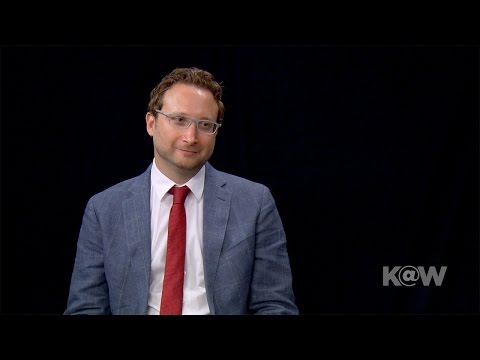
The Psychology of FOMO: How Fear of Missing Out Drives Connection
Ask about Knowledge at Wharton
Episode Description
EPISODE OVERVIEW Wharton marketing professor Barbara Kahn explains the psychology of FOMO, the fear of missing out, and how it differs from simple regret. She and host Dan Loney explore how FOMO isn’t just about missing an event, but about missing the social bonds and shared experiences that form within groupsKahn explains how social media amplifies this feeling by constantly showing us what others are doing, and discusses the implications for businesses that build brand loyalty through experiences and community. The conversation reveals how companies might harness, or temper, FOMO to strengthen community engagement and customer connection.
PODCAST OVERVIEW Every day, business scholars answer pressing questions in their research - but what do their insights mean for you? In this podcast, Wharton faculty dive into what inspired their studies and how their findings resonate with the world today. Learn how research insights translate into knowledge you can use, with host Dan Loney.
#BusinessPodcast #BusinessResearch #MarketingResearch #ConsumerPsychology #BehavioralScience ----- The Wharton School of the University of Pennsylvania is committed to sharing its intellectual capital through Knowledge at Wharton, the school’s online business analysis journal.
Launched in 1999, Knowledge at Wharton offers free access to:
- Articles, podcasts, and videos highlighting Wharton faculty research and analysis of current business trends - Interviews with book authors from Wharton School Press - In-depth series of curated content like Wharton Executive Education’s Nano Tools for Leaders - A searchable database of more than 10,000 articles covering all aspects of business - A weekly newsletter that delivers Knowledge at Wharton insights directly to your inbox
Visit the Knowledge at Wharton homepage: https://whr.tn/3qUpSBE Subscribe to the Knowledge at Wharton YouTube channel: https://whr.tn/3DEAgAU
Read the full transcriptHide the full transcript
- So something like if you missed out on a concert that your friends were going to
- and they were going to have that great experience but you were not going to have it,
- >> right? And that's what over the years we started saying that's where FOMO is different than regret. You might regret
- missing the concert, right? >> But you feel FOMO if your friends went to the concert and you didn't. And so
- that's what we were really trying to tease apart. What does that FOMO mean? What is it that you're missing? And what
- we thought it was is you were missing being there with your friends. So you were missing part of the social history
- that was being developed around your friend group. >> Welcome to the Ripple Effect, the
- podcast that takes you on a journey through the minds of Wharton faculty. I'm your host Dan Looney and in each
- episode we'll be diving deep into the inspiration behind the groundbreaking research that Wharton professors have
- conducted and exploring how their findings resonate with the world today. The term FOMO or fear of missing out is
- one that's used quite a bit these days. It obviously has real world implications, but social media has
- allowed it to become more a part of our everyday vernacular. As for that real world, there are some important things
- to understand about FOMO when you talk about it from a business perspective. The Wharton School's Barbara Khan is
- part of a group of researchers looking at a better understanding of FOMO and for what reasons. Barbara is a marketing
- professor here at the Wharton School as well as co-host of Marketing Matters on the Wharton podcast network. Barbara,
- great to see you again. >> Yeah, it's great to be here. >> All right, so take us through this
- research because I I mean everybody now knows the term, but you look at it from a very unique perspective in this
- research. >> Well, you know, it's funny that you should say everybody knows the term
- because we started this research long, long time ago. It took us a while to get it published, but when we started,
- people didn't actually know the word. Okay. Um, it we didn't make the word up. It existed, but a lot of people didn't
- exactly know what FOMO was. And we were finding ourselves telling people fear of
- missing out, like what the letter stood for. So, we started doing descriptive research on it. And we wanted actually
- to be the first one to publish anything on FOMO. So, we'd get like all the citations coming to us, but as luck
- would have it, we just couldn't get through the publication process. And so over over time now, like I seriously
- think it's been 10 years we've been working on it. By the time we finally publish it, it is true that a lot of
- people know what FOMO means now. And so what we found ourselves doing is defining a specific type of FOMO so that
- we could get a publication. So like a lot of it was this academic we really need to do something new. Yeah. And so
- people use FOMO to mean a whole lot of different things now. And we wanted to specifically differentiate between FOMO
- and the idea of regret. So some people I think use the word FOMO, but they just regret not being there.
- >> Sure. >> And we wanted to define our FOMO as specifically not regret um and as
- specifically having to do with social media. So social media exacerbates it. And we also found from all our work over
- the 10 years that FOMO tended to be used more when it had to do with social groups, right, than when it had to do
- with just missing an event, per se. So what you were feeling FOMO was about something that you missed that your
- friends were doing that you weren't part of, right? And what we found is that's what people really meant when they were
- saying FOMO and that's how it differentiated from regret. So something like if you missed out on a concert that
- your friends were going to and they were going to have that great experience but
- you were not going to have it, >> right? And that's what over the years we started saying that's where FOMO is
- different than regret. You might regret missing the concert, right? >> But you feel FOMO if your friends went
- to the concert and you didn't. And so that's what we were really trying to tease apart. What does that FOMO mean?
- What is it that you're missing? And what we thought it was is you were missing being there with your friends, right? So
- you were missing part of the social history that was being developed around your friend group.
- >> And I'm guessing the component of social media then comes in when those friends
- are maybe posting pictures or posting videos from the event that you miss out on. You see it and it just kind of it
- doubles the the angst that you feel. >> Right. So that's what ended up being what we started to study. It was
- something it's not just missing an event. It's missing specifically an event that your friends have that you're
- not at and it becomes exacerbated because you're seeing all these pictures and you're imagining what went on that
- you weren't a part of. >> So there's an element of that you're looking at specifically kind of at the
- psychology behind a lot of this, >> right? And so just before I get to the business implications of it, it took us
- forever to publish this. So we're not on publishing on business yet, but we have
- thought about it and we have run a bunch of studies on it. But there was a couple
- things that was interesting about this. So the first thing is it's not about the
- event. So you can feel FOMO even for a negative event, right? >> Um so like you could your friends might
- go to a funeral and you regret not being there because your friends were bonding
- over things that happened at the funeral. So it's it's not the event per se, it's the bonding. The other thing
- that we discovered the more we did research on it was that it's not really a fear. It's more like an anxiety. And
- the difference is is an anxiety is kind of cognitive. It's the way you think about it. So you're imagining what
- you're missing out and it may be you're not maybe missing out on that much. It's
- just that you think you're missing out on it. And that was also kind of an interesting thing. So when we were doing
- the research, I remember the thing that motivated me to do it is one of my daughter's friends was talking about how
- she wanted to go to the shore with my daughter and her friends. And unfortunately, she had to go to this
- beautiful wedding and this gorgeous place and she was going to miss out on it. And it was that was my thought like
- that's crazy. You're going to a beautiful place. You can go to the shore anytime you want. Why are you so worried
- about it? And the more you probe, it was because she was worried about her friends having fun or making, you know,
- social stories that she wasn't going to be part of. >> So part of the research I mentioned did
- kind of play into the impact of being at an event like a concert. You also have part of this research that looks at, you
- know, kind of being or not being at a retreat. >> Yeah. Yeah. So it could be it doesn't
- really the point is if you're not looking at the regret of missing the event it could be a negative event it
- could be a positive event it could be anything it could be a business event and then what we manipulated in that
- case is what was happening at the retreat like if there were things you were going to retreat and you were
- self-improving and working on yourself and you know everything was independent you're not going to feel as much FOMO as
- if you were going to a retreat or you missed out on a retreat that your friends went to and the point of it was
- to develop connections and social interactions. Right? >> So, the two things that would make you
- ex experience the FOMO at something like a retreat, the retreat doesn't matter, right? Because it's not the event, is
- that your friends went, not a group of strangers. And that what they were doing was talking to each other and perhaps
- finding new things out, telling stories, making new things up that you weren't part of. Is there an element then of
- FOMO that as you said it can be kind of a negative event where you know you didn't really want to go to it anyway
- and maybe your friends didn't want to go to it but they still went to it and you
- did not >> right then you might feel FOMO like yeah so now you're going a whole lot of like
- crazy stuff and the thing about it is we ran a bunch of experiments to talk about
- you know like what if your friend missed the event what if it wasn't you that missed the event what was your if your
- friend missed it do you think they'd be missing out on a lot the stuff and then you have the wherewithal to say, "Nah,
- probably not. It's just one event. Probably not that much happened. You're still part of the friend group."
- >> Yeah. >> But when it comes to you missing it out, now you imagine, oh yes, a lot more
- happened. >> What's amazing is, and we've just gone through it here in the first few
- minutes, but there are so many different potential scenarios that could play out
- where these elements of FOMO could be in. I mean, you've even mentioned in the research that it doesn't necessarily
- have to be a friends group, but it could be like like-minded individuals, people
- who are fans of a country music artist or a rock star or whoever it might be. >> And they're not you're not friends with
- them, but you're all fans of that person. >> And that's where we're going to go to
- when we get to the business applications. So, a lot of what's happening with brands now are they're
- creating brand identities, brand community, and a lot of is experiential. So it's not just buying the branded
- product, it's being part of the branded experience. And so our hypothesis is what you're kind of suggesting is that
- if you feel like you're part of a branded community and then you miss out on some events, maybe you don't feel
- like your membership in that community is as strong as it would be if you had gone. And that's the FOMO you might end
- up feeling. >> So how then do businesses think about FOMO? and how much do they think about
- it from the psychological avenue that we've just been kind of laying out here? >> Yeah, you know, I haven't we haven't
- finished all that research. You know, first we just wanted to establish that there was some FOMO in a branded
- community and that's it's kind of hard to get. You have to control all these things. And we were doing it around
- there was used to be a Lululemon store here near campus and we were doing it around Lululemon had gym classes and
- things in the store. And so we were using that as part of the Lulu community to kind of manipulate and it was hard.
- You had to run the gym class. You had people in and out. You had to control all this. So we were still just trying
- to find whether or not those things that people felt that. And then we were trying to determine, well, should the
- brand encourage it or not encourage it? Like maybe feeling that FOMO is good because it makes you not want to miss
- the next event, >> but maybe it's bad because it makes you over time feel disengaged from the
- community, right? >> So like we weren't quite sure, we haven't done that study yet to figure
- out how is the FOMO going to work. Can we play on it in a good way or is it a bad thing? Is it surprising then to see
- the idea of FOMO play out in so many different avenues? I mean, it it it just seems like it can go in so many
- different directions. >> Well, like I said, we've been doing this for a long time and over the years,
- people have taken the term and meant it used it to mean a lot of different things. And we came back and really
- really tightly identified it as this kind of thing now. And so whether or not when you say FOMO today, you may not
- mean exactly what I'm saying it means now. You could mean regret or you can mean these other things. In fact, you're
- even seeing people now talk about JOMO, you know, the joy of missing out. Like I
- don't want to be everything. Yeah. So like you can see it flip like it's, you know, it's just crazy to worry about it
- all the time. And it's it's, you know, attach it's attached to this whole idea of social media. Yeah. that like you're
- looking at everything and so you're all these things you're missing, all these feelings you're missing. Maybe it's
- better if you just don't look at it. >> And there are avenues where people think, okay, social media is such a
- great thing of being able to provide us this information, but there is the potential of the negative as well.
- >> Yeah. So that's kind of so when we start playing with this and the brand implications, it's is it a good idea to
- show on the website, you know, other people doing things that that might encourage your feelings of FOMO or
- should you show the activity, show the product? Like you can kind of think there's a lot of different things that
- people might take away when they see an event they missed, right? And I guess what we're showing is we're parsing out
- some of these different things. and a firm can think about that as either positive or negative to encourage those
- feelings and thoughts. >> But the challenge though isn't it partly because one person's feeling about a a
- you know specific scenario playing out would be different from many other people how they feel about it. And so
- the company the the firm that works with it really has to be nimble to be able to
- deal with all kinds of different reactions. >> Yeah. So we purposely stayed away from
- those kind of things. There has been a lot of work in the FOMO over these 10 years other people publish and what
- you're talking about is individual differences. Yeah. And so we have a little bit of that is people who are
- more anxious about their social activity feel more FOMO than people who aren't. So that's an individual difference. But
- we were trying not to focus on individual differences. Trying to focus on main events that people would feel
- FOMO about or not. And some of the things that we were identifying is it has to be part of a social group you
- care about. Yeah. And so our extension to business is will those feelings be as intense if it's a brand community? You
- know, if it's a brand you feel about and you might argue yes and no, you don't know. And then um the other thing we
- were thinking about it is it's an anxiety. It's a little bit imagined. It's not actually true, you know. So
- people just see this stuff and then they start to spiral out and make, you know,
- make assumptions about it. So like that's another thing brands can either try to tamper down or they can try to
- encourage it if they think the FOMO is good. Like you might imagine if if the brand thinks feeling a little FOMO,
- that's good. You won't miss our next event. >> Right. Right. >> What then do you think or how do you
- think you want to then take this research into that next realm focusing on business? Where do you think you you
- hope that it'll take you? >> Well, I mean, the first thing we have to establish is the, you know, those ground
- rules. We have to we have to establish. Do people when they're part of a brand community feel the same sense of FOMO
- when they miss out on a branded event? Like that we haven't proved yet. We have some preliminary evidence that shows
- that they do, but it also it depends on whether it's a small brand or a big brand. Like it it's not true for all
- brands. So that's kind of an interesting idea if we're moving towards in retail this idea of more customer experiences
- and things like that. When you miss a customer experience, does that make you want to go to it more the next time or
- does it make you feel disengaged and less and less part of the community because they're telling brand narratives
- that you're not part of? Right. >> That's kind of where we're thinking it might go. And you could certainly think
- it might it might depend on the type of brand, your relationship with the brand,
- um the type of people who are at the brand. Yeah. >> You know, and it's and I want it to be
- different than just regret. Like for example, if there's a branded community event and some big celebrities there,
- Taylor Swift is there, you would definitely feel regret, you know, but you might not feel what we're calling
- FOMO, >> you know, and so we want to make that distinction, too. Um, and it because the
- FOMO is more about the social connection you feel to the group that surrounds the
- [music] brand, >> right, Barbara, great to see you again. Thanks very much. >> Yeah, thank you.
- >> Barbara Khan, marketing professor here at the Wharton School and co-host of the
- Marketing Matters podcast. Thank you for listening to The Ripple Effect. We hope
- you found this episode informative and engaging. Don't forget to subscribe and leave us a review so that we can
- continue to bring you the best insight from the Wharton School.
Brief Summary
Barbara Khan discusses FOMO, its distinction from regret, and its implications for social media and business strategies.
Key points
- The Ripple Effect Podcast. Join Dan Looney as he explores groundbreaking research from Wharton faculty.
- Understanding FOMO. FOMO, or fear of missing out, is more about social connections than events themselves.