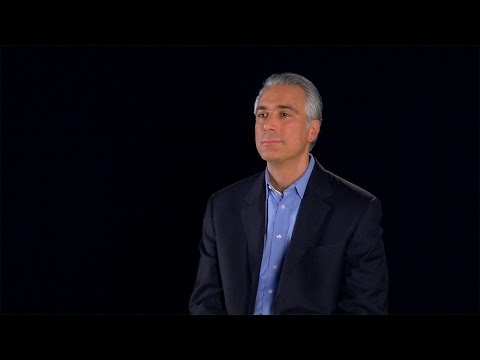
How Stress Influences Decision-Making
Ask about Knowledge at Wharton
Episode Description
Research by Wharton’s Gideon Nave takes a closer look at how hormones impact the choices we make. More: http://knlg.net/2d7fY9L 📂 Human Resources;Marketing 🏷️ Research
Read the full transcriptHide the full transcript
- we're here today with Wharton marketing Professor giddy n to talk about some of his latest research giddy thanks for
- being here hi Rachel nice being here too and so first of all could you just give
- us a brief overview of your research what you were trying to what question you were trying to ask yeah well I came
- to work on from a neuroscience department and uh my work is mostly focused on the biological basis of how
- people make decisions uh we all know that the way we make decisions is influenced by our biological state
- things like hunger sleep deprivation and stress influence the process of decision- making and I'm trying to study
- this in a rigorous way using lab experiments and uh some biological data and what have been some of the key
- takeaways from your research well one of the things I study is hormones and how hormones influence decision- making we
- all know that there are many situations in which different hormones fluctuate in
- our body H stress is a good example uh we all have a very uh clearly measurable biological stress response that uh
- consists of elevation of several hormones in our body like neur adrenaline and cortisol H one of the things that I am
- studying is how cortisol specifically affect decision making and we do it by pharmacologically administering this
- hormone to people under a double blind and Placebo controlled protocol H what's interesting is that giving cortisol to
- people is not stressing them out cortisol is actually a TR response it's something that make people more relaxed
- H but the interesting thing that we find is that even though people are not even
- aware at the fact that they received cortisol we see very clear behavioral effects of this drug on how people make
- decisions one thing specifically that we take a look at is the tradeoff between people's accuracy and speed when making
- the decisions uh we have this uh Paradigm called the cognitive reflection test I don't know if you heard about it
- but I can Give an example using one question that'd be great you're going to try to answer it but okay I can do that
- all right so there is a bet and a ball like a baseball bet and a ball and together they cost
- A110 so far we're good y yeah now the BET costs a dollar more than the bow right and again together they're
- $110 now what's the price of the bow 10 cents okay so you just gave me your intuitive answer which is the in
- answer of most people so if the ball is 10 cents and the bet is $1 more that means that the bet is a do and 10 cents
- so together there will be a120 so the correct answer that you will have to check yourself and get into some
- more I'd say deliberate calculations is $5 five cents and a do5 what we see is that when you give
- cortisol to people they're more likely to do what you just did and say 10 cents and not deliberate and think it's
- through even even though they have some incentives to really think it through and they get paid for being correct
- they're just giving their gut answer faster as if they're in kind of time pressure they're more likely to rely on
- this incorrect but uh simple euristic in the decision making process so I'm using
- this task uh many times uh I find it quite interesting to study we have other studies where I give testosterone to
- people testosterone again is a hormone that is involved in instinctive behaviors in animals such as intale
- aggression and mating behaviors again it typically rises in context where it's better to act fast and we see again that
- men that receive testosterone are more likely to fail in questions like the BET and the ball ones uh so this is
- one topic that uh I'm currently studying H yeah so other than my questionable Mas
- skills what can we what what can businesses take away from this I mean I can can imagine there's lots of
- different applications from this from I mean Human Resources departments dealing
- with their employees to businesses dealing with their customers I mean it would really want the gamut I would
- think yes so for start failing in this question is not necessarily bad if you have a good intuitive response you will
- answer it faster after when you're stressed or uh having high level of testosterone but there are some
- situations where deliberation is needed and there are some situations and some people that are more vulnerable to make
- fatal m takes in these situations and I think it's important that we pay attention to these situations and make
- sure that these won't happen for example once you're stressed if you're put in environment that you know well perhaps
- you'll respond good but if I put you in in a completely novel environment and give you some easy to fail uh questions
- you may be worse off traumatically because of being stressed so I think it's important that we're know when and
- where to expect these uh fatal mistakes and it also seems to me like it would also for I mean for the point of like a
- retailer for example like the idea of if you can try to figure out what state the
- customers are when they come in your door that you can try to sort of adjust your environment accordingly to either
- you know to make them less stressed or to sort of Point them towards the decision you might want them to make
- that's true one would say that maybe you can manipulate people easily more um when they're stressed on when they this
- boost of testosterone on the other hand I don't know if that's what you want to do because overall we want customers to
- be satisfied and if they're more likely to make mistakes they more likely to regret their purchase and let enjoy it
- and not come back so I think that again it depends on the situation but uh on my
- side I think it's better to know and also for me as a customer it's better to know for example that when I'm stressed
- I'm not going to go to the supermarket or hungry or hungry right I mean hunger is sort of a stressful
- situation true and so what's next for you what's next for This research well we we're living now in a time when we
- can measure and we can manipulate a lot of factors that we couldn't in history and it's not only hormones I'm talking
- about brain activity we can look at the where you're looking at eye tracking data we can look at the brain images uh
- meaning the anatomical structure of the brain we can look at gin all of these things are measurable nowadays and uh we
- can learn a lot from about individual differences between people from these measures and I think it's a very
- exciting time now uh to be working on this intersection between biological science and Behavioral Science and
- obviously the best type of Behavioral data we can get is now coming from marketing and from online Behavior great
- thank you so much for being here thank you Rachel [Music]
Brief Summary
Professor Giddy N discusses how hormones affect decision-making and the implications for businesses.
Key points
- The Impact of Hormones on Decisions. Research shows hormones like cortisol can influence decision-making processes, often leading to quicker, less accurate responses.
- Stress and Decision-Making. Understanding how stress affects decision-making can help businesses improve customer interactions and outcomes.
Episode highlights
- The Impact of Hormones on DecisionsResearch shows hormones like cortisol can influence decision-making processes, often leading to quicker, less accurate responses.“Cortisol is actually a TR response; it makes people more relaxed.”1:28Nov 7, 2016
- Stress and Decision-MakingUnderstanding how stress affects decision-making can help businesses improve customer interactions and outcomes.“When I'm stressed, I'm not going to the supermarket or hungry.”5:55Nov 7, 2016
Tension
30/ 100Low tension