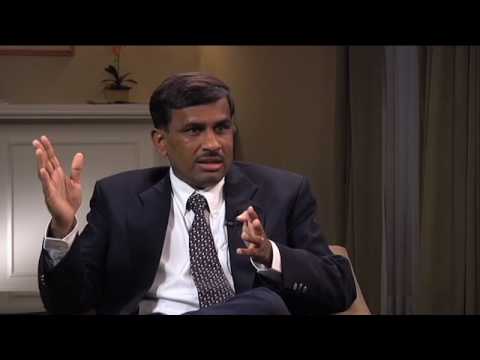
Tourism Helps Fuel Indonesia's Growth
Ask about Knowledge at Wharton
Read the full transcriptHide the full transcript
- [Music] well I think uh obviously the uh capacity was there so we could grow without building new infrastructure I
- think that's that's probably why it was able to pick up quickly and then since we have been able to be successfully
- addressing the uh security issue uh we we have seen a lot of uh growth in new uh hotels uh new Investments uh in
- hotels like the aore group which is the biggest group here uh they have 50 hotels and they're planning to build
- another 50 hotels in the next 3 years Marriot and so on and uh the growth is coming from the five star as well as the
- three and four star Well we'd like to think it's a very important industry it contributes 4% to
- our GDP directly and uh if you say indirectly taking into account the multiplier effect the estimated uh
- contribution is 9% uh to GDP it contributes about 7% uh 7 to 8% of the labor force and that's really one out of
- 12 jobs uh in Indonesia is being created from travel uh and tourism uh and it's the number five foreign exchange earner
- so number one is oil and gas uh number two is coal number three is palm oil number four is Rubber products number
- five is tourism so it contributes uh $8.5 billion uh dollar of foreign exchange of as of last year
- yeah we have a national tourism strategy and uh we're going to try to develop new
- destinations Beyond Bali you know Indonesian is Bal is well known internationally but there are many other
- uh beautiful places uh in Indonesia so we have uh Target till 2025 to develop like 1880 new destinations in the next 5
- years we want to develop 16 uh new destinations including lombok which is the island next to Bali it has beautiful
- beaches uh J Jakarta where the Bor famous boru temple uh we have volcanoes we have diving spots uh uh and we have
- Urban urban city like Jakarta which which can offer also a good place for tourism and what we want to be doing is
- actually uh also developing what's called special interest tourism uh and a number of the uh ones that we think
- Indonesia can be competitive in is like golf tourism uh we have2 golf courses uh in Indonesia just
- around Jakarta alone we have 38 uh in Bali also we have golf courses as well as batam and Diving surfing we have 600
- diving spots in Indonesia uh some of them many of them in in still in marine conservation area surfing we are known
- uh to uh to do to have the one of the uh most famous spots for surfing there's one uh most recently discovered by the
- surfing world you can surf on the river uh it's the meeting of uh Confluence of two rivers and then on
- Full Moon one becomes higher than the other and then you get waves and you can serve for one
- hour so you know we have all these kind of very exotic very uh interesting places our challenge is really to
- develop the infrastructure uh and the connectivity to get to these places the growth of the budget Airlines
- has actually helped a lot to increase uh domestic connectivity uh if you're if you're talking about going by by Airline
- and the cost has gone down uh so we need to do a better job of selling the packages and having the you know you can
- come in through Jakarta or you can come in through any of the major cities and then how do you get to that uh exotic
- destination you know we are uh prioritizing in the 16 destinations uh whether it's the need to build an
- airport or if there's an existing airport but the runway is not long enough or not thick enough then uh we
- are working with the Ministry of Transportation to make sure that those can be addressed and besides um going by
- plane and you can go by boat because we are an island nation so cruise ship is another area where we are which we are
- developing like the orur utan reserve you mentioned uh there are already Cruise uh ships uh going there uh from
- Australia from many countries because it's actually very accessible uh going there so we're also looking at how to uh
- ensure that the ports uh can uh uh accommodate uh increase Port calls from the from the cruise
- ships on infrastructure it's it's mainly government if you're talking about airports or ports uh it's mainly
- government uh central government com combined with uh provincial government they're increasing their Investments
- because we have prioritized infrastructure uh as a priority uh because we think uh to be able to
- unleash New Growth you have to address the infrastructure bottlenecks in a lot of places whatever they do for the ports
- and the airports is going to help trade as well and investment right so it's it's a com combination but at least as a
- tourism Minister minister or Ministry in our planning we prioritize this 16 for the next 5 years so we coordinate with
- the transportation Ministry say okay can you please you know in your budget allocation address this airport that
- port and like for the for the crise ship we have a 5year plan to uh develop 10 ports with which can uh accommodate uh
- from the small to the larger cruise ships the the first one that will be developed will be Bali uh that will be
- able to accommodate the really really large cruise ship and then tanong puting which is where the orur utan reservist
- will also be uh developing that and samarang which is in Central Java so that you can access to borrow budur more
- easily well it's hard to say how much we're spending because the spending is being done by mainly by the
- transportation Ministry for the harbors and the ports and for the roads it's the
- Public Works uh Ministry uh but you know uh I would say uh it's at least their whole infrastructure budget is about uh
- 200 trillion rupia which is like 20 billion rupia a year we need to address that uh to be able to uh grow in
- continue growth in a sustainable way and to spread growth because a lot of uh the
- the development infrastructure is outside of java you know in in the more uh less developed areas uh of
- Indonesia Indonesia is a very large country very diverse country we have a lot of Rich
- biodiversity uh so uh when you talk about sustainable tourism it's a balance that you have to strike between kind of
- the mass tourism and the more specialized tourism so in some places you don't want Mass tourism you don't
- want for commodo for instance uh the island where uh you have the Komodo dragons we limit the number of people
- that go there because you want to protect the habitat and then a lot of the diving spots also you don't want uh
- too many people to go so we have to guard uh the uh environment and the biodiversity in that way and then there
- will be areas where you can you can accommodate Mass tourism but when but with mass tourism comes all the downside
- uh of large numbers of people you know how do you manage it in terms of the of the waste management in terms of the uh
- hotels that need to be built but not built in a way that's going to be uh destroying the environment etc etc so
- planning uh becomes a big issue well I think uh it's it's difficult to to to give a general answer
- because like European tourists and Australian tourists for instance they look for nature and they look for
- culture so for those uh types of tourists uh the the beautiful nature of Indonesia as well as the rich cultural
- heritage like in in a couple of uh of that those 16 destinations you have very strong uh nature ecotourism and culture
- uh components uh and for the Asian tourists they actually like shopping and eating
- and uh they're more interested in that kind of thing so they probably more attracted to the more urban areas and
- and we are we we also want to be developing shopping and culinary uh tourism as well as Spa and Wellness type
- of Tourism uh so I think it's we are developing a few uh areas and destinations and then within each
- destination you have strengths whether it's the nature or whether it's the culture or sometimes both uh and and we
- we will be packaging and developing uh these 16 destinations in that way and I think what will happen is that different
- groups of tourists will be attracted to different destinations actually depending from The
- Source country they come from and and income level and age group and so on so uh this year uh if you just take uh
- tourism numbers as as an indicator that's not the only indicator you need to also look at length of stay spending
- and so on but if you take numbers as a as as a uh as a Target uh this year we are hoping to get 8 million in two years
- we hope to get 10 million so I would say in five years uh hopefully we can get uh
- double of of eight which is like 15 million I would say around 15 to2 billion do foreign exchange receipts and
- and the other thing that we also focus on is of course domestic tourism because Indonesia is a large Market uh for the
- current uh uh situation actually we get in terms of spending uh and numbers domestic tourism is much larger than uh
- foreign tourism so so we we we we do we have to do both yeah we in Indonesia we're trying to
- promote the creative economy uh which is really how to get value added from our Rich cultural heritage uh as well as the
- more media based and it- based uh type of new uh Industries uh which are also growing in Indonesia uh and uh we are
- going to be promoting uh the film uh and the music uh industry in Indonesia and the whole entertainment uh uh industry
- that is related to that uh and we are hoping that uh our film our film industry can grow because of the L both
- film and music because of the large domestic market and hopefully we can also uh be seen as a location for Film
- Production uh just like other countries have done uh because it it will benefit the uh creative industry as well as
- tourism uh we we see that uh film uh production whether it's a a Hollywood film that is being filmed in your
- country like Eat Pray Love which uh actually uh was filmed in Bali in a very specific place called ubut which is the
- Arches create Village uh you you actually have Eat Pray Love tours uh in ubot uh so something like that impact uh
- we would like to see the impact on tourism or whether it's an Indonesian film that uh you know becomes a a big
- hit uh eventually uh [Music] overseas
Brief Summary
Indonesia's tourism sector is growing with new hotels, infrastructure plans, and a focus on sustainability and special interest tourism.
Key points
- Tourism's Economic Impact. Tourism contributes significantly to Indonesia's GDP and labor force, making it a vital industry.
- New Destinations Initiative. Indonesia aims to develop 16 new tourist destinations by 2025, expanding beyond Bali.
- Diving and Surfing Paradise. Indonesia boasts 600 diving spots and some of the world's best surfing locations.
- Sustainable Tourism Challenges. Balancing mass tourism with environmental protection is crucial for Indonesia's diverse ecosystems.
- Tourism Growth Goals. Indonesia aims to attract 10 million tourists in two years, doubling current numbers.
Episode highlights
- Tourism's Economic ImpactTourism contributes significantly to Indonesia's GDP and labor force, making it a vital industry.“It contributes about 7% of the labor force.”1:25Aug 7, 2012
- New Destinations InitiativeIndonesia aims to develop 16 new tourist destinations by 2025, expanding beyond Bali.“We want to develop 16 new destinations by 2025.”2:15Aug 7, 2012
- Diving and Surfing ParadiseIndonesia boasts 600 diving spots and some of the world's best surfing locations.“We have 600 diving spots in Indonesia.”3:00Aug 7, 2012
- Sustainable Tourism ChallengesBalancing mass tourism with environmental protection is crucial for Indonesia's diverse ecosystems.“We limit the number of people to protect the habitat.”7:31Aug 7, 2012
- Tourism Growth GoalsIndonesia aims to attract 10 million tourists in two years, doubling current numbers.“We hope to get 10 million tourists in two years.”9:54Aug 7, 2012
Episode quotes
Tension
40/ 100Low tension