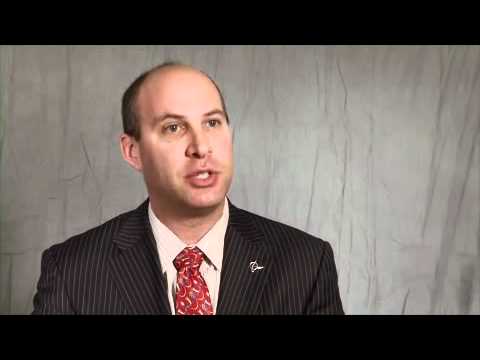
Apollo Hospitals' Shobana Kamineni: 'India Is a Nascent Country in Terms of Health Care'
Ask about Knowledge at Wharton
Episode Description
By continually adopting cutting-edge technology and entering new sectors such as health insurance and pharmaceutical retailing, Apollo Hospitals, Asia's largest health care provider, has helped to shape India's medical landscape. At the recent Wharton India Economic Forum in Philadelphia, India Knowledge@Wharton spoke with Shobana Kamineni, the company's executive director of new initiatives, about Apollo's recent ventures and what the future holds for health care in India.
Read the full transcriptHide the full transcript
- the 2009 wharton india economic forum titled india the road ahead took place in philadelphia and brought together
- CEOs of leading indian companies investors heads of nonprofit organizations sports celebrities and
- bollywood stars to discuss where india is headed in an age of economic uncertainty Indian knowledge at Wharton
- brings you one-on-one conversations with these leaders thanks very much for joining us today
- Apollo is Asia's largest healthcare provider can you give us a sense of its scope of operations whenever we big
- stock there's always something new but broadly we're in hospitals tertiary care owned and managed we have about 42 we
- have 8500 Plus beds 60,000 employees apart from hospitals we're in retail pharmacies we have 900 pharmacies today
- we should finish by by June we knew or well before June we'll have a thousand pharmacies we open one a day that's the
- kind of count we've been doing for the last for the last two years now and we have clinics we have a BPO an IT
- business processing I think the headquarters is actually quite close to Philadelphia and health insurance we
- have a new company it's about a year and a half old it's a joint venture with Muni Kree which is the world's largest
- reinsurance company and that's a new initiative of ours apart from that we have several other businesses with we're
- incubating the health highway we have a ambulance service we do a lot of insurance for for the underprivileged in
- rural areas where we manage the health insurance programs for them can you explain what the health highway
- is health I was a new project with IBM that you know as the technology provider we're we're creating a linkage between
- hospitals irrespective not just ours but hospitals across India and also doctors
- were patients records that would could rest on the highway and right from all aspects of information technology
- whether it's managing hospital managing the procurement or even finding resources in terms of Human Resources
- many many things and this is what it would provide scientific information tele radiology telemedicine everything
- would be part of the highway initiative and this would reach into rural areas definitely we're already quite robust
- that the network we have what would you say are the major problems with medical infrastructure in India today that have
- yet to be overcome the short answer is is that there's a huge supply shortage of quality beds you know it's a little
- skewed you would find beds and lots of competition in cities in urban areas and that's why Apollo's moving to talk to
- tier 2 cities where we're establishing again tertiary care hospitals we think that there's a lot of growth and the
- rural population can afford a good quality medicine and I think that supply so it's going to take a trillion dollars
- of public and private money over the next 10 years to even try and catch up to what the public actually needs and
- the other day I read a statistic see Indians are actually prone clinically proven that you know they're prone to
- heart disease and unfortunately you know we've been tagged as the diabetes capital of the world nearly 12% have
- been discussed are discovered diabetic and they're saying that the cost of preventive medicine by 2015 is going to
- be around fifty billion dollars I read that statistic we're seeing it happening it's quite frightening now
- with a lot of the technological advances both medical and informational that are
- happening as some of which you've cited what do you see taking shape or how do you see that the landscape transforming
- over the next few years in India listen visa vie some of those technologies I think that with you know
- I can talk for our hospitals that we've always been very technologically advanced in fact the CyberKnife dr.
- Adler who who discovered it I mean who actually who was the inventor he was in India last week and we bought
- the first cyber Knife in the region 360 a slice CT and the CyberKnife is what the CyberKnife is what they use advanced
- radiology for for for cancer treatment the very few in the world and what it does is that it's it's so much more
- precise and the radiation used is is one tenth of what a normal machine uses so you know we have we have a PET CT in our
- hospitals so we've always believed in technology right from our first hospital when we opened in 1982 we had the first
- cat scan in in the country and we continue to do that because we think it plays an important role if you look at
- Indian medicine I think there were some doctors from the US that came to us and they were actually shocked that 95
- percent of our cases of our open heart surgery cases are done are done with the beating heart so you know that's
- cutting-edge technology in the u.s. they probably use their technology for maybe
- fifty to sixty percent and so I think that that India and by and large Indian doctors are well known we've had we've
- been fortunate to have a lot of them come back so one its technology and two it's the ability to
- harness the people with the talent who can do that and India is definitely proving itself
- as as a center for that excellence and so you're definitely seeing a higher number of doctors coming back after
- their medical training to India than before I would think so because every new hospital that we open we have quite
- a few applicants especially I mean not as many from the US but definitely from from England and other parts with and
- most of these are Indians but surprisingly you know we have one or two experts also working with us right now
- you mentioned your first hospital in 1982 that was in Chennai correct and it was 150 bed hospital I believe and how
- what - what do you attribute Apollo's phenomenal growth over the years I mean that's it's not a very long period of
- time it's 1982 and and to go from 150 beds to what you are today how what's helped to power to grow so quickly I
- think that this great growth has actually been over the last ten years we had the advantage of the previous 15
- years to prove test and and get the model right because at every time I think we believed in the fact that that
- the quality and the patient service outcomes outcomes are just critical in Apollo if you see that you match us
- anywhere whether it's an open heart or or or even a liver transplant we have world-class outcomes in all our
- hospitals I think the focus on that has helped us grow and and for people to have the confidence in us the phenomenal
- growth over the last 10 years in many of these sectors I think has been the ability to access capital much easier
- and the fact that you know we have we have two or three levels of management who had grown with us and who were able
- to take over the mantle to move into new projects and just move it right from doctors to to nurses to management you
- know P personnel all fields that they were able to care to take that through and I think that's a great combination
- hmm well with our world-class facilities and the level the success of outcomes that you've cited imagine the one thing
- that might hamper Apollo would be perhaps the actual infrastructure in the country and globally you compete with
- hospitals from Thailand for instance where infrastructure isn't so much of an issue people can sort of fly and very
- easily get to where they need to go how does Apollo compete in that particular scenario you know 15 percent
- of all our major hospitals have international patients with us the patient's a lot of them what Thailand
- doesn't see are for higher end treatments and I think they come because of the quality of the outcomes we do you
- know our doctors in Chennai for instance have done the largest number of cement less hip replacements in the world so
- people will come from the US and Canada for them Thailand is for the regular type of where there's a cost arbitrage
- but they come to India for open heart and for the more difficult surgeries and when it comes to infrastructure your
- answer to that there's very little I can say in in India's defense except the fact that I think we've been able to
- overcome that within our little island of a hospital but we can't take it outside but but the government has now
- understood they've gone to Thailand everybody studied Thailand as a model in the whole region Singapore has Malaysia
- everybody is trying to replicate that model effectively and I think that the numbers are telling in the region but
- it's not just Thailand that dominates but the other hospitals in the whole region are benefiting from opening this
- sector up and do you see improvements in infrastructure that are either happening
- now or that are planned that you think will sort of help to improve the situation connectivity yes you know they
- privatized airports in in India we have three of our major airports are private for and I think that there's been a sea
- change in in the number of flights that come in the connectivity in terms of roads India has embarked not maybe the
- scale of China but what the US did in the 50s and 60s during the Great Depression I think that we have that
- we've been we're investing in a larger network of roads than that so it's I think that all these will tell we still
- have issues in terms of electricity but I think it doesn't really affect the hospital as much as it does you know a
- state problem and do you think that despite these difficulties that perhaps there's been a benefit to innovation in
- medicine in India in other words because there are infrastructure issues to overcome you have you know a rapid
- adoption of of teller Diagnostics or teleradiology which I think you mentioned earlier I think that that's a
- really good observation that possibly this advancement that we had in you know in telemedicine is probably is it is is
- in response to a need so we actually have diagnostic bands which have satellite connectivity with with the
- east row that's the Indian Space Research so they've given us the the ability with their with a satellite and
- we go into the rural areas remote areas where we were able to do you don't diagnose people with heart or ailments
- do the ultrasounds and the x-rays and it gets beamed into our main hospitals so and this is on
- moving vans so I think that yeah the innovation has been there in response to a need we use telemedicine extensively
- after the tsunami we had we had an outpost in Andamans that's the island that got hit it was
- completely submerged the first thing that that the government put up got linked up again was our telemedicine
- Network station and so we were doing Conn consults across the ocean into this area and I think that was it it was a
- huge need that was served that's remarkable well you're now you've been branching into retail pharmaceuticals
- and into health insurance as well where do you see Apollo five years down the road or maybe even
- ten years in terms of its strategy and how its developing I think it was probably you know India's such a nascent
- country in terms of health care that we start with that at the beginning we provided every need it's like the Wild
- West you set up you put your stakes in every part of health care but I think that there are enough players coming in
- and competition coming in that we have to choose which are the areas that we will continue to dominate and be really
- good at and some of these have been and and some of this is definitely health insurance
- where we feel that it's that access for people is going to come from from there there's only they need in India is
- probably the size of the US population the 300 million people who can afford health insurance so we just need to be
- able to make them aware and say that big one for us hospitals will always remain
- the core of our business diagnostic centers I think the pharmacies are a means to an end
- we got into the retail space we're quite good at it we have a thousand and and the very fact
- next year they'll you know that project will break even and start doing well so there's definitely strength in that and
- we'll continue to find we might expand across our own Geographic border into other markets
Brief Summary
Apollo Hospitals discusses healthcare advancements and future strategies at the 2009 Wharton India Economic Forum.
Key points
- Healthcare Infrastructure Challenges. India faces a huge supply shortage of quality medical beds, especially in rural areas.
- Apollo's Growth Journey. From 150 beds in 1982 to a healthcare giant today, Apollo's growth is remarkable.
- Innovations in Telemedicine. Apollo's telemedicine initiatives have transformed healthcare access in remote areas.
- Future of Apollo Health. Apollo plans to dominate health insurance and expand its retail pharmacy presence.
Episode highlights
- Healthcare Infrastructure ChallengesIndia faces a huge supply shortage of quality medical beds, especially in rural areas.“There's a huge supply shortage of quality beds.”3:24Mar 26, 2009
- Apollo's Growth JourneyFrom 150 beds in 1982 to a healthcare giant today, Apollo's growth is remarkable.“This great growth has actually been over the last ten years.”7:56Mar 26, 2009
- Innovations in TelemedicineApollo's telemedicine initiatives have transformed healthcare access in remote areas.“We were doing consults across the ocean into this area.”13:53Mar 26, 2009
- Future of Apollo HealthApollo plans to dominate health insurance and expand its retail pharmacy presence.“Hospitals will always remain the core of our business.”15:22Mar 26, 2009
Tension
45/ 100Some tension