Big Brother is Watching Your Browsing
Ask about Knowledge at Wharton
Episode Description
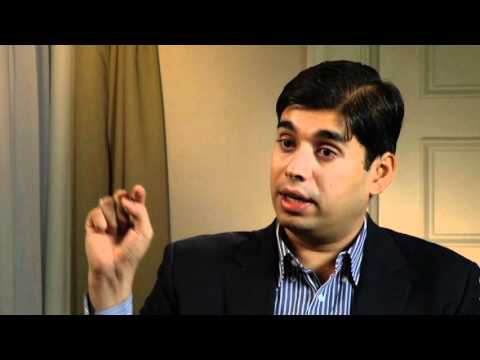
Does the Internet empower consumers? Or does it make them more vulnerable to manipulation by companies and potentially the government? While both statements might be correct, the balance tilts definitely towards the latter, according to Joseph Turow, a professor of communication at the University of Pennsylvania's Annenberg School. In his book, "The Daily You: How the Advertising Industry is Defining Your Identity and Your Worth," he argues that the advertising industry has launched "one of history's most massive stealth efforts in social profiling." The result, he says, is an increase in intrusive practices that are eroding traditional publishing ethics. Does the solution lie in greater self-regulation by advertising firms or more aggressive oversight by the government? Turow addressed this question and more in an interview with Knowledge@Wharton. 📂 Marketing
Read the full transcriptHide the full transcript
- [Music] [Music] Joe thank you so much for joining us today pleasure thank you so at the
- beginning of your book you say that the advertising industry has launched what you call one of history's most massive
- stealth efforts in Social profiling how is this happening and what are the implications for consumers well
- um a lot of it is happening because companies feel that they have to know a heck of a lot more about their consumers
- the users of their products than they ever had before uh as a consequence there are tens and tens of companies
- that are prepared to follow consumers wherever they go trying to anyway and then to share the data anonymous or not
- anonymously with um uh Publishers and marketers and uh and the consequence is the kind of new environment that we're
- seeing in the media and among advertisers uh historically if we look at the rise of the media agencies what
- were some of the under the hood forces that uh led to this environment of digital
- intrusiveness mainly it has to do with the transformation of the media buying industry the media buying industry is
- really a subset of the advertising industry historically media buying was a straightforward activity um the the
- center of advertising was in creating the ads and then the idea was where do we go to put those ads by Time by space
- and it was pretty straightforward in a country like the United States where you went to television magazines newspapers
- maybe Billboards um with the rise of cable television you had the beginning of the multiplication of channels and
- the question of how do we try to reach people with different demographics across 150 type channels plus other New
- Media coming online and then with the rise of the internet that multiplied almost infinitely and by then a whole
- new set of companies media planning and buyo companies that had been spun off from the major advertising agency
- conglomerates as Standalone profit centers had emerged and those companies are leading the March into this new
- world so what are some examples of of the kind of intrusiveness that you're talking about well the kind of
- intrusiveness I'm talking about has to do with um in the first instance following people around the web uh even
- around a site for example what is it that you do on a website how does that relate to what we knew know about you
- demographically and then beyond that what is it that you do across a variety of websites and then beyond that what is
- it that you do connecting your uh laptop activities with your mobile activities with your in store activities and all of
- that begins to create a profile of you much of it today is thin though increasingly we're talking about
- hundreds of data points a lot of it today is rather uh transient so that if people get rid of their cookies and a
- lot of people don't but if people get rid of their cookies they won't be able to be followed as well but increasingly
- we're in a situation where hundreds and hundreds of data points about people across a whole variety of aspects of
- their being together with lots of ways to track them across sites and across platforms is emerging and down the line
- that's having imp it's already having implications for the ads we see for the discounts we get for the World Views
- that we get in terms of marketing and advertising but it's also beginning to affect uh what we see in U news and
- entertainment and it's having enormous ramifications for the so-called Legacy Media how so well what's happening is
- that the Legacy Media and by that I mean traditional magazines newspapers particularly print media are finding
- that as they lose audiences uh who are migrating to the web and particularly in an economic
- downturn advertisers are following them to the digital environment what we see however is that advertisers are not
- sticking with those same platforms forms they're moving into other platforms and
- the competition is so large that while they used to get tens of dollars per thousand people in say newspapers and
- magazines now we're talking about a couple of dollars and even less and as a result um magazines and newspapers that
- used to make a lot of money on those individuals in the Legacy world are having trouble surviving even with
- double or triple the number of audiences in the digital World which are the companies you think
- are most responsible for some of these intrusive practices um what we see are companies that have to do with tracking
- and uh managing data okay some of the biggest companies like axium and Experian have data about virtually
- everybody at least in the United States you could literally if you go to the Axiom catalog which you can find online
- you can see that they sell enormous amounts of information about us sometimes actual with names so you can
- find out what kinds of Health aspects people search for you can find out what kind of houses people have what kind of
- financial activities they do uh what kind of um psychographic profiles they have what vacations they take um then
- there are companies like ex exelate 33 across X+1 that are more Niche companies in the digital realm and what they do is
- they track people and create cookies about people often anonymously that can be merged with marketer cookies about
- those same people and if you put all of this together in a pot and sometimes the
- data flow across these sorts of companies um many companies now are looking at Social relationships for
- example uh so you add social relationships to demographics to to offline activities to uh shopping
- activities to Lifestyle profiles all of these things begun begin to create images of who we are essentially
- reputations and what I try to do in the book is to show that we're at the beginning of this era certainly not even
- the middle and the end but if you follow the industrial logic you see how this has the implication the possibility of
- really creating a situation where we live in these silos these these areas of life based on how marketers Define us
- without knowing anything about where they get this information and even that it's going on
- except this vague notion that is happening you use the term in the book long click what exactly is that and what
- what what implications does it have the long click is sort of the Holy Grail of advertisers today um it's the idea that
- we can begin to follow a person from that top of the funnel okay the marketing funnel which we could discuss
- whether that really exists or not in the way it's discussed but at any rate from
- the time a person begins to look for a product through the the various online and offline platforms that that person
- uses to the point where that person swipes a credit card writes a check and then we can try to follow attribute that
- person's activities through the entire process of searching and eventually purchasing knowing that we know a lot
- more about what that person does who that person is and we maybe can generalize to other people we think are
- like that so that's the kind of Holy Grail it also monetizes justifies the monetization of certain media much
- better than it ever has been done before as I say it's a Holy Grail but um Technologies are developing to try to to
- try to do that what were some of the technological innovations that the advertising and
- media industry had to go through in order to you know get the capability of doing some of the things you're
- describing the first one that we often take for granted um in this ball game is the CLI the cookie
- the cookie was created uh as a very conscious effort to try to help marketers and actually stores online to
- um track people's purchases when they were buying more than one thing uh the cookie uh people who created the cookie
- really had some philosophical issues how do we think about privacy in this and in
- mid and late 90s when all this was going on they created a certain kind of regimen which was more beneficial some
- would say to marketers than to people who care about privacy but the cookie is only the beginning uh together with the
- cookie we had to development of probabilistic statistical thinkers computer scientists who have tried to
- figure out how we can get a hold of what it means to follow an individual across
- a whole variety of spaces that's another uh deep technological uh sort of invention that has taken place another
- of course is and with the rise of Google uh really we have a new marketing model having to do
- with the notion of the click which is controversial The Click itself is a fascinating technology it's really the
- extension of a human being's hand uh and people say well do we really want that to be the model of what it means to sell
- a product because display advertising gets hit by that so now there's a push back in terms of display an attempt to
- try to figure out ways to model engagement as it relates to display so all of these ideas are taking place with
- a whole new group of people who are thinking about this some of them worked on Wall Street and worked on derivatives
- and now they're moving into Madison Avenue and they're trying to understand how to bring big data and how to bring
- new technologies to the question of how do we Define people it's totally understandable my concern about it is
- that it's also totally under the hood and we as a society really have no idea about what's going on what control we
- have and down the line what the implications are going to be right so so let me just uh explore this a little bit
- further with a with a very specific example that I just remembered uh the other day I was on amazon.com and I I
- bought a gift for a friend it was a book on Buddhist Meditation uh and the next time I went to Facebook uh suddenly I
- started seeing ads about the Lama's uh uh vide tapes uh now on the one hand this could be an example of what you're
- just describing the long click uh where where some someone somewhere saw my behavior on one website
- Amazon and is now presenting commercial messages to me on Facebook yes but could
- it also not be argued that this is something that might benefit me if I were genuinely interested in this no
- question so how how how do you olve that in your book well the way I try to resolve it is the following I'm not
- against Target marketing I'm not against uh following people online for reasons that you suggest what I am against if we
- want to call it against is the issue of it happening without people understanding it and without their
- giving permission regarding it uh because that what happens in the end I would argue it hurts marketers and
- advertisers um fundamentally we're moving into a society where data about us are going to be continually traded in
- ways that have not happened at the scale before that's what we started with that
- question of collecting information about people there's never been a time in history where individual bits of data
- about all of us are circulating the way they are now if we um accept the notion that we're just at the beginning of this
- and that marketer logic require if you read the trade press and go to meetings as I do the notion that we're going to
- try to follow people wherever they are and serve them what we consider to be relevant to them whenever they seem to
- want it the question becomes who gives you the right to Define me and to surround me with ads and discounts and
- somebody else with very different ones some people are going to lose other people are going to win some people are
- going to be called waste which is a term they use some people going to be targets
- and as a society we have to come to grips with that because eventually people going to say Hey you showed me a
- different map of the airplane for seats then you showed the guy next to me as a consequence I ended up having to pay $25
- for an aisle seat and you didn't why is this going on and right now people are relatively calm about this sort of thing
- but eventually we may have occupy Madison Avenue the way people had Occupy Wall Street people are going to get
- their hands on the idea that something is a miss here because we are being defined by forces we have no clue about
- now you also argue in the book that U some of these advertising models are destroying uh traditional publishing
- ethics yes uh could you give any examples of that yeah there magazines used to have in newspapers too this idea
- of the church State divide uh the the term was coined by a famous American publisher Henry loose who owned timeing
- Incorporated and the notion was that the business side should not even speak to the editorial side um with Hyper
- competition particularly in the uh in the print area and with the notion that somehow the web is fundamentally
- different and you have to make money there in advertising not even subscriptions so companies as you know
- are trying to to get money that way um that has fallen apart in much of the magazine industry the notion now is how
- can we get advertisers to like us and we'll bring them in any way we can virtually now there are some magazines
- that are more welcoming than others but the notion of what a magazine is has fundamentally changed that way for
- example a major magazine company Meredith really sees itself as a marketing services company and uh um
- Hurst owns a digital advertising company uh we're moving into a world where media
- are seeing themselves more as extension of Market marketers than they ever have not that they never did but we had a
- period in American history where advertising and media editorial were considered separate and even in
- newspapers they're beginning to see parts of it particularly soft news as areas where they can welcome advertisers
- and not get into trouble with journalistic organizations that's very interesting so if if we believe that
- Publishers are starting to customize news and information based on the characteristics that they think the
- advertisers want to see what kind of privacy concerns do you think that raises well I think it has to do in that
- case with the question of why do I get certain agendas of news and you don't so let's say hypothetically that uh I do an
- analysis of your clicking behavior and I find that when there are optimistic headlines that you look at you're much
- more likely to put your mouse over an ad or maybe spend more time with an ad in a
- display manner than you would if we have pessimistic headlines it's only a little
- leap to for me to decide that from now on I'm going to change the headlines that you see okay and I could say but
- that's what that person wants see and the same with with television which is going to move to an internet addressable
- system it's there've been attempts at this for the last 10 years or so but eventually uh customization of
- Television will exist to the point that when when you turn your TV on you won't see a channel you'll see an agenda you
- know an intelligent Navigator as it may be called and uh I can very easily see that the agenda that gets set up is a
- combination of what you say you want and what the the algorithm said you're likely to like together what some
- advertisers are interested in supporting so maybe an Advertiser will be likely to
- say I will pay for this movie if you want to watch it this week your next door neor won't get that okay or Tiffany
- might say we know that your wife's birthday's coming up here's a romantic movie that we'll pay for you to watch
- and they'll put product placements in there seamlessly specific to your demographic and other people see it will
- get very different product placements so you will see a very different world RIT
- large than other people will and um you know it's not going to be totalistic but
- in general it could have very interesting effects on how you look at the world or reinforce your sense that
- you're being judged by Society in certain ways and not in other ways fundamentally it's a discriminatory
- activity some people gain by discrimination other people don't um I also ought to point out that there are
- companies deeply involved in trending topics and this too is affecting the media so there's a company for example
- called demand media which looks at what's trending and Google and Bing has freelance ansers rather cheaply uh churn
- out videos and uh you know written stories on that with the idea of blanketing the web and their own
- websites so that when you do a search their articles will come up that has enormous implications for what we mean
- by journalism soft news and even eventually entertainment and the kinds of things that advertisers want to put
- their stories next their their own stories their advertisements next to and I think these are all areas of major
- concern especially the content Farms as as as these are called and I think Google and some other companies have
- actually changed their algorithms to to to prevent this they tried ironically you know what company that seems to have
- been hurt most about.com that was owned by the New York Times that is owned by the New York Times the times was making
- a lot of money from that uh they probably wouldn't call a Content Farm but they were really hit pretty hard as
- a consequence of it right now uh there's always been this view that the web uh empowers
- consumers uh from from the book that uh from what you say in the book it seems like that might not be exactly true do
- you do you agree that uh do you think the uh web empowers consumers or does it make them more subject to manipulation
- by companies and the government both I think it's both I think that in the most obvious way the web empowers consumers
- we can now walk into a store uh look on a on our mobile device if you have a smartphone and find out what prices are
- elsewhere stores have gotten to the point that they'll even allow people to go online in the store with the idea
- that if they don't keep them there uh to look at prices they'll go anywhere else
- anyway uh so those kinds of things plus the ability to collaborate and to do a lot of things that some academics have
- have emphasized certainly show that the web is terrific uh that the digital world is in liberating in many ways but
- what I was concerned in writing this book about is that people seem to stop there and what I'm arguing is if you go
- under the hood of the internet and see where the Core Power really is it has to do with trying to take back what
- advertisers marketers were afraid they were losing with the Advent of the digital world really take back certain
- power and we see developing in into the 2000s and and nowadays an attempt to use
- what people do that they consider liberating and turn it to the advantage of marketers in ways that people might not
- be at all comfortable with uh and what we have found in a lot of surveys we've done people have this vague sense of
- discomfort a vague sense that they know what's going on but they really don't know much for example about data mining
- they know stuff like that happens but even if you go to websites that try to explain it like Google for example they
- use onepoint descriptions so they'll say things like um how do we do this let's say we follow you across websites and
- find out that you're a football fan well then we will send you ads about football
- you know that sounds so benign as to be stupid why would Professor Joe turo care
- okay but the point is they do a lot more than that and we're talking hundreds of
- data points that are distributed across everything that you're looking at right so I wonder if it could end with some of
- the public policy implications do you think the the solution lies in Greater self
- awareness and self-regulation by the advertising firms or uh more interventionist action by the government
- I think all of the above I think that advertising companies uh have to realize that there are there are real
- responsibilities in today's world um for a century the advertising industry has basically uh Gone on with the idea that
- it's a lazy fair environment um now it's quite clear that advertisers are shaping
- being uh the media environment in ways that Society will have Major Impact about and also our understanding of
- ourselves and for the self- protection of the industry they have to understand self-regulation that has to be done
- seriously and it depends there should be a public discussion and an industry discussion and there is to some extent
- not deeply enough i' argue about what that means at the same time I believe that regulation has to take place
- because there are a lot lot of Bad actors out there and there are a lot of competitive forces that companies like
- for example Google who said five years ago they would never do something are beginning to do it because now they're
- competing with Facebook and Twitter and so uh in some ways they should see public regulation and public discussion
- about these things as beneficial for the industry because if things are done the
- right way they will move forward in ways that people can feel comfortable with with and that the public can feel safe
- about and right now I think both of those are highly problematic great Joe thank you so much for speaking with
- thank you [Music]
Brief Summary
Joe Turo discusses social profiling in advertising and its implications for consumer privacy and media ethics.
Key points
- The Rise of Digital Intrusiveness. The advertising industry has transformed into a massive data-tracking machine, affecting consumer privacy.
- The Cookie: A Double-Edged Sword. Cookies were designed to help marketers track purchases, raising privacy concerns.
- Target Marketing vs. Privacy. The balance between beneficial targeted marketing and the lack of consumer understanding.
- The Role of Advertising Companies. Advertising firms must recognize their responsibilities in shaping the media environment.
- Need for Regulation. The discussion around regulation is crucial due to the presence of bad actors.
Episode highlights
- The Rise of Digital IntrusivenessThe advertising industry has transformed into a massive data-tracking machine, affecting consumer privacy.“We're at the beginning of this era.”6:35Apr 4, 2012
- The Cookie: A Double-Edged SwordCookies were designed to help marketers track purchases, raising privacy concerns.“The cookie was created as a very conscious effort.”8:28Apr 4, 2012
- Target Marketing vs. PrivacyThe balance between beneficial targeted marketing and the lack of consumer understanding.“Who gives you the right to define me?”12:43Apr 4, 2012
- The Role of Advertising CompaniesAdvertising firms must recognize their responsibilities in shaping the media environment.“There are real responsibilities in today’s world.”21:44Apr 4, 2012
- Need for RegulationThe discussion around regulation is crucial due to the presence of bad actors.“Regulation has to take place because there are a lot of bad actors out there.”22:26Apr 4, 2012