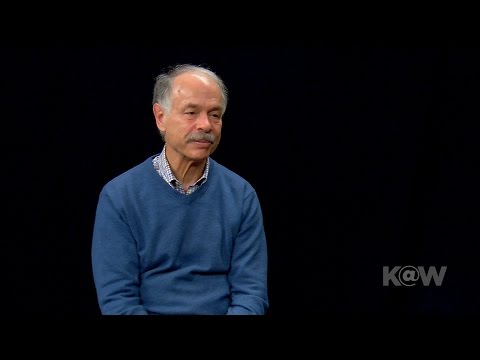
How Retail Stores Compete with Amazon with Wharton Prof. Barbara Kahn — Ripple Effect Podcast
Ask about Knowledge at Wharton
Episode Description
EPISODE OVERVIEW Wharton’s Barbara Kahn assesses the holiday shopping season, how retailers compete with Amazon, and why opposing indicators make it hard to forecast trends. This episode is part of a series on “Holiday Retail.”
Topics and questions covered: 00:00 - Introductions 00:48 - Analyzing the retail landscape 02:55 - Amazon Prime Day's impact on retail 04:42 - Retail's growing focus on brands 07:29 - How will Fed rates impact holiday spending? 10:43 - Predictions for E-commerce vs. Brick and Mortar 12:11 - Analyzing AI in Retail 15:12 - Understanding gamification
PODCAST OVERVIEW Every day, business scholars answer pressing questions in their research — but what do their insights mean for you? In this podcast, Wharton faculty dive into what inspired their studies and how their findings resonate with the world today. Learn how research insights translate into knowledge you can use, with host Dan Loney.
Learn more at http://whr.tn/rippleeffect.
#retail #shopping #marketing #holidayshopping ----- The Wharton School of the University of Pennsylvania is committed to sharing its intellectual capital through Knowledge at Wharton, the school’s online business analysis journal.
Launched in 1999, Knowledge at Wharton offers free access to:
- Articles, podcasts, and videos highlighting Wharton faculty research and analysis of current business trends - Interviews with book authors from Wharton School Press - In-depth series of curated content like Wharton Executive Education’s Nano Tools for Leaders - A searchable database of more than 10,000 articles covering all aspects of business - A weekly newsletter that delivers Knowledge at Wharton insights directly to your inbox
Visit the Knowledge at Wharton homepage: https://whr.tn/3qUpSBE Subscribe to the Knowledge at Wharton YouTube channel: https://whr.tn/3DEAgAU
Read the full transcriptHide the full transcript
- during Co people saved a lot and then when they started coming out of Co they had more of that money but then they
- started traveling in 2022 and so we don't know how much savings is still left you know and making all those
- predictions and therefore to accurately predict what's going to happen with holiday spending kind of hard to do
- welcome to the ripple effect the podcast that takes you on a journey through the
- minds of whon Faculty I'm your host Dan Looney and in each episode we'll be diving deep into the inspiration behind
- the groundbreaking research that Wharton professors have conducted and exploring
- how their findings resonate with the world today and always great to talk retail with Barbara Khan Wharton School
- professor of marketing hi Barbara how are you today I'm good how are you Dan all right so here we are going towards
- uh the end of the year what's your feel for the Retail Landscape right now cuz they're certainly a lot at play with the
- economy and and the impact on the consumer and how they're thinking about spending what are you seeing play out
- right now well you know everybody is always talking about what's going to happen with holiday shopping because
- it's so important to the retailers so there's always speculation and there's a couple Trends
- we know one we know the promotional environment has started even earlier this year um Amazon Prime day at on 1010
- accelerated Walmart Target Amazon all of those doing deep discounts and the consumer really really price sensitive
- so the question is how price sensitive are they going to be going off into the future at holiday season um the one
- thing that people usually do when they look at holiday seasons is they look at Trends so they look at past years and
- the problem is the past few years have been completely unpredictable and so it's really hard to make a forecast
- going forward so if you start with 2020 you know what did holiday season look like then everybody was buying home you
- know because they were stuck in their house they were buying home stuff and we saw those numbers go way up a lot of
- kind of household decorations homes that's what we're seeing a lot of purchases in Christmas time and then
- 2021 we got out of our houses and you started to see a lot of purchase of apparel you know now can't wear a
- pajamas anymore so we got to buy new clothes so that was a lot of what was happening in 2021 in 2022 which just
- last year you saw a lot of people starting to move their money towards experiences and to travel and to you
- know now I'm out of the house I'm actually G to go someplace and so you see a lot of push towards that so what
- does that mean for 2023 you know like who knows you're seeing like these trends that are so
- different it's really hard to predict what people are going to buy this year so let me go back and and you mentioned
- about Amazon with prime day and from a historical perspective I would assume and you can you know correct me on this
- or or agree with it on it is the fact that that event has had so much impact on the mindset I think of retail and
- consumers in how we think about when we shop for the holidays but also just the the conditioning that's kind of put in
- with the consumer yeah you're right there are two factors there and they both are not great what one is for one
- minut may not be so bad one is make you think about holiday shopping earlier that isn't so bad for retailers because
- we've got delivery issues supply chain issues and if you can kind of stretch the shopping season so it's a little bit
- longer it's easier to even out demand and deal with supply chain kinds of issues so that's not a terrible thing
- but the really bad thing about it is the focus on discount discount discount for
- me personally as a marketing expert I would say what are you doing you know like why would you want to do that um
- because if you can get people to reinvest in the brands that they believe in we have evidence that people love the
- brands they love you know and why should they buy them on discount I remember way
- back when in the recession of 2008 2009 luxury was so worried about people not shopping that they discounted their
- prices and it took a really long time for them to get back into getting people to buy brand back at full price which is
- really what you want them to do so I think this Amazon Prime day and everybody following and accelerating
- really makes people very deal sensitive and that's a problem you mentioned about
- Brands and so let's touch on that for a second because there seems to be such a greater importance by companies on their
- brand right now than maybe ever before and it feels like in many cases a lot of the issues outside of the company
- themselves a lot of the culture issues some of those elements are factoring into how much companies focus on their
- brand even more today yeah and I you know I've been saying this for a long time people have been predicting the end
- of you know the death of Brands just forever and this just not happening brands are super super important and you
- look at uh survey after survey consulting firms all this other showing that the brands that people love they
- love you know really really strong Brands continue to do really well and they kind of fight against this
- promotional environment and so you're seeing some really interesting new trends in branding that I think are are
- worth looking at one of them just recently Lulu Lemon announced the collaboration with pelaton which is kind
- of an interesting thought Lulu Lemon is a very strong brand pelaton who knows you know kind of well whatever I mean
- there're people who love pelaton but the idea of getting these two Brands to work
- together that's an interesting idea you saw like with Target and Ulta that collaboration was very successful so the
- idea of joining Brands together and creating something new and exciting through the collaboration that's an
- interesting new trend that we're seeing in branding well and then with that collaboration
- specifically uh it's almost the most interesting part of it is the fact that pelaton is kind of a recovery brand I
- mean with as much problem as they have had over the last couple of years uh they're trying to rebuild their brand
- almost from it feels like from the ground floor but you know these collaborations are strategic in Wy ways
- like what pelaton has is really good content and that exercise thing and people who love their instructors and
- who still have this really strong feeling about the pelaton you know what whoever it is I think there was one
- called love Ali love or something like that that people just love you know that idea
- and so Lulu Lemon which is a very strong brand and doing super well can give some
- sustenance to pelaton to your point but pelaton has something sexy to offer in the collaboration you know another
- really interesting collaboration with the Taylor Swift NFL collaboration unofficial collaboration
- but yes exactly but it's the idea of looking for the sexy in one brand linking it to something else and then
- creating something brand new and something fun I don't know if Travis Kelce would say that exactly but we get
- the we get the idea so so now here we are in a time where the economy is obviously going up and down at this
- point and consumers in many cases are watching how much they spend I think the impacts of the economy right now become
- very interesting for what we're going to see play out not only through the holiday season but also to a degree next
- year especially if the FED holds rates higher for longer which has been talked about so much yeah I mean it's so hard
- to predict all these things because you're kind of seeing things going in two different directions so in inflation
- has been curbed somewhat employment is still strong there are some indication that consumer confidence is holding
- steady and maybe even Rising a little bit but on the other hand people are a wor very worried about the possibility
- of recession um the student loan issue and that really affects a lot of discretionary income if you're not
- forgiven of your student loans and so there's a lot of question on how people are going to spend and that's also why
- we look at like what happened in the past for example during coid people saved a lot and then when they started
- coming out of Co they had more of that money but then they started traveling in 2022 and so we don't know how much
- savings is still left you know and making all those predictions and therefore to accurately predict what's
- going to happen with holiday spending it's kind of hard to do do there have been some predictions like MasterCard
- came out with a prediction that they think holiday spending is going to go up about
- 3.7% which isn't huge but it's it's solid um and they're saying you know you'll see it mostly in um restaurants
- Hospitality maybe consumer electronics um apparel might go up just a little bit we're not expecting a big growth in
- apparel but it should go up a little so that's been some of the forecasts I've seen we're joined by Barbara Khan
- Wharton marketing Professor uh so then as you look forward into 2024 what are some of the areas that you focus on uh
- and are watchful for as as maybe this economy you know starts to turn a corner at some point next year
- you know I think you're seeing like two Trends which are kind of exactly the opposite but they're both going forward
- one is this brand kind of stuff and this idea of fun and a lot of experimentation
- and branding a lot lot of look um Macy's just announced they're going to lean into retail theater you know and this
- idea of like new kinds of fun things to try to get people to be excited and believe in their brands and invest in
- the fun of shopping and the fun of buying brands at full price on the other hand we see Incredible strength in shien
- in TAMU Walmart's doing well Target Amazon which we were talking about at the beginning so we are seeing a lot of
- this price sensitivity on one hand and maybe people are going to be looking for the deals and looking for a way to
- stretch their dollar and on the other hand the brands that get it right that hit the pulse that really tickle
- people's fancy I think will be rewarded as well how then does the back and forth
- between e-commerce and bricks and mortar continue to play out do you think you know I think that's also this new notion
- everybody's talking about it's Omni channel it's really not one or the other I mean again looking towards the past to
- predict for the future during coid people thought everybody was going to shop online forever that's clearly not
- true as soon as we were allowed out of the house we were back into the stores some of the numbers I saw recently is
- that over 90% of grocery shopping is being done in the physical store which is definitely not what we predicted
- during coid when everybody learned how to shop online um but I think what you're seeing now is really this back
- and forth some things are digital some things are in the store and it's a function of where the consumer wants to
- be when they want to be I think we're and we're going to see a lot of growth in mobile shopping so more and more
- shopping being done on the phone if people make it easier there's a lot of this idea in gamification and these a
- you know even AR and those kinds of things you know if it was maybe a little bit overhyped by Facebook or meta but
- still a lot of people believe that there is a lot of excitement in these virtual
- environments and a lot of opportunity for commercial gain in those environments but it's really not going
- to be one or the other I think it's you know people may still want to go sit on Santa Claus's lap you know who knows
- well you know you mentioned AR but I think you also have to throw in Ai and the impact that that may very well have
- on retail as we move forward in the next few years as well it's obviously having
- some impact already but that's just going to multiply in the future isn't it yeah you know and that's really hard to
- to call exactly how that gonna affect things you know even here in education trying to understand what the role of
- CHA Chi is and all of that and I think most of my colleagues at least in education I assume it's true in retail
- too you know think well that's here to stay so we got to think about it as a tool and how to use it to make the
- customer experience better so I think you'll see a lot of creativity I think you'll see you know if people trying to
- use it in a way that you know maybe makes the shopping experience more personalized more enjoyable uh some of
- this AI has been shown to to to Really spur on Innovation so we might see some really new fun things but as you just
- mentioned it really it feels like at the base it's still that experience for the
- consumer and however the business is going to reach that consumer is going to be the way that that companies are going
- to find that level of success yeah because a lot of the numbers around holiday shopping obviously what gets
- people into the store the trigger and always very important what initiates the purchase process is gifting because it's
- holiday season you want to give gifts so the first thing to kind of think about is what make for good gifts now
- traditional gifts are still you know buying somebody a sweater still makes sense even if they have swimmy sweaters
- so you'll see some of that but the other interesting thing about holiday shopping
- is people buy one for you and one for me you know like they buy for themselves also so now you're looking if you make
- the shopping experience more fun and people want to engage in it for one reason or another they're more likely
- yes to buy more gifts and maybe to buy more things for themselves as well and that could help spur on shopping you
- know you mentioned about the uh the the expectations of what holiday sales are going to be I guess the other side of
- that is how much discounting uh that retailers will do that that BOGO philosophy we've seen
- that play in more and more the last few years yeah it's a little bit of a of chicken you know at one hand they're
- trying to manage their inventory and make sure they're not stuck with things left over because once Christmas hits
- everything goes down in value and then you know you're going to discount so what you want to try to do is hold your
- price as much as you possibly can before the holiday season is over but on the other hand you don't want to be left
- with all this inventory so you're kind of moving things along and if you can do it in a gamification way kind of or like
- you're saying buy one get one that kind of idea is if I buy something then I buy
- something kind something else I get something else for free kind of mitigates the total promotional
- environment and gives you a reason to buy more so let me Circle back for for those that don't follow it when you talk
- about gamification how is that something that consumers may end up seeing play out when they're out and about and
- they're doing shopping is it something that they say well you know it's things like these ideas of competitions or
- buying something to win something or you know some of these Lottery ideas or some
- of these ideas of streaks keep your streak going some of those kinds of ideas of gaming the other idea that you
- see in gamification now is co-creation creating your own universe so you're seeing like some of the shopping being
- experiential you're creating something um the other big Trend you know you were asking about digitals like digital Goods
- you know if you're going to buy like skins for your avatars or or something like that you know and there's some
- evidence which is kind of shocking to me but the younger generation value digital
- Goods as much as they do physical Goods in some cases so how all of that works and what you're purchasing for that
- that's kind of an interesting wrinkle hey Barbara great to talk with you thanks very much for giving us a few
- moments today yeah it was great bud absolutely Barbara Khan Wharton marketing Professor joining us here on
- the ripple effect thank you for listen listening to the ripple effect we hope you found this episode informative and
- engaging don't forget to subscribe and leave us a review so that we can continue to bring you the best Insight
- from the warten school
Brief Summary
Barbara Khan discusses retail trends, holiday shopping predictions, and brand collaborations in the current economic climate.
Key points
- The Ripple Effect Podcast Introduction. Join Dan Looney as he explores the minds of Wharton Faculty and their groundbreaking research.
- Retail Trends and Predictions. Barbara Khan discusses the challenges of predicting holiday shopping trends in an unpredictable market.
- The Importance of Brands. Barbara Khan emphasizes the enduring significance of strong brands in retail.
Episode highlights
- The Ripple Effect Podcast IntroductionJoin Dan Looney as he explores the minds of Wharton Faculty and their groundbreaking research.“Welcome to the ripple effect, the podcast that takes you on a journey through the minds of Wharton Faculty.”0:21Nov 14, 2023
- Retail Trends and PredictionsBarbara Khan discusses the challenges of predicting holiday shopping trends in an unpredictable market.“It's really hard to predict what people are going to buy this year.”2:52Nov 14, 2023
- The Importance of BrandsBarbara Khan emphasizes the enduring significance of strong brands in retail.“Brands are super super important and the brands that people love, they love!”5:16Nov 14, 2023