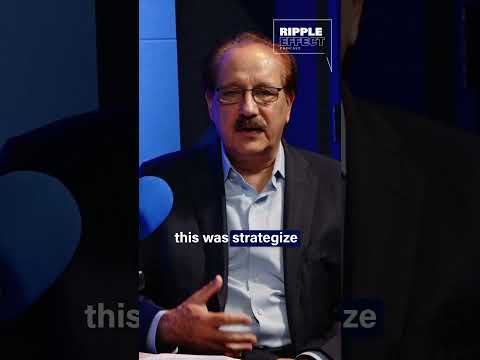
Wharton Professor Kevin Werbach: FCC Approves New Wireless Rules
Ask about Knowledge at Wharton
Episode Description
On September 23, the Federal Communications Commission approved new rules allowing so-called white space spectrum to be used for what has come to be called "WiFi on steroids." White spaces refer to radio airwaves that are not used by broadcasters and their according to FCC chairman Julius Genachowski, the opening up of this spectrum will provide a major "platform for innovators and entrepreneurs." What are likely to be some of the first deployments of this technology? What impact will the rules have on wireless users as well as on companies such as Microsoft, Dell and Google, which have been pushing the FCC to implement the new rules? Wharton legal studies and business ethics professor Kevin Werbach has been working closely with the FCC on this and other initiatives. He answers these questions and more in an interview with Knowledge@Wharton. 📂 Public Policy
Read the full transcriptHide the full transcript
- [Music] so on 23rd of September the Federal Communications Commission approved new
- rules uh allowing whitespace Spectrum to be used for what is being called Wi-Fi on steroids uh could you please explain
- what exactly this white space is and what will the new rules mean for wireless users this is an incredibly
- important decision because it's the first time that the FCC has allowed a new kind of spectrum use uh
- traditionally in Wireless Communications the FCC exclusively licensed Spectrum so
- it said for example a television station has the right to transmit on a certain Channel and no one else can transmit
- there and about 20 years ago the FCC allowed for a different kind of spectrum use which is called unlicensed which is
- they took some bands that were that were very congested and and seemed to be fairly useless and just open them up
- they said anyone who wants to transmit can transmit here as long as you follow certain technical mechanisms to allow
- the Spectrum to be shared and that latter category is what allowed for Wi-Fi to exist um and even though this
- was considered junk Spectrum a tremendous Market grew up around Wi-Fi because it was open to Innovation
- because devices could be made and Shar share the Spectrum as opposed to one l e having total control and and dominance
- over how that Spectrum got used so Whit space is in a way is a hybrid of the two
- the FCC has allocated Spectrum for television broadcasting but you have to remember that that Spectrum was was
- first allocated back in the 1950s and 1960s when technology was much less sophisticated than today so what the FCC
- did was they set up uh large sectum sectors of the spectrum that was actually dark uh that could not be used
- for transmission in order to protect different broadcasters so you think about it the way a TV station works it
- it broadcast out from one location so if I have a television station broadcasting
- in Philadelphia and another station is broadcasting on the same frequency in New York those signals would would be
- seen to interfere because the televisions were were not sophisticated enough to tell them apart so what the
- FCC basically did uh was for example say in Philadelphia you can transmit on Channel 3 and in New York you can
- transmit on Channel 4 but the the reverse pairs Channel 4 in Philadelphia is dark and channel 3 in New York is
- dark that's an extraordinary waste of spectrum uh spectrum is is is so terribly important to so many services
- and so much Economic Development today and the FCC had to make it completely unused Technologies come a long way
- since then and so white spaces is about unlocking the potential of those unused corners of the broadcast spectrum and so
- what the FCC did uh for the first time in this decision is said we're not going to get rid of the exclusively licensed
- Spectrum all the broadcasters are still licensed where they are uh but we can allow unlicensed devices to operate
- around those license frequencies and that's potentially revolutionary well the broadcasters had opposed the earlier
- uh uh fcc's approach uh are they satisfied now with the new rules or are there still concerns broadcasters have
- have expressed very strong concerns all along about the wh spaces proposal but the FCC has been working at this uh
- since 2002 so it spent eight years and the FCC has some very excellent technical expertise uh and it has open
- proceedings so they they've had the technical experts on all sides submit prototype devices test them do the
- technical analysis and what they found is that the interference concerns that the broadcasters rais are just wildly
- overblown so the FCC in this proceeding put into place various mechanisms to protect uh both incumbent broadcasters
- as well as there's some other users for example wireless microphones at sporting
- events and and Theater and so forth um the FCC put a number of restrictions in place to protect them so I I I would not
- expect that the broadcast industry would say they're happy with this uh but I think the FCC has been very cognizant of
- their concerns because they they certainly don't want to have a situation where where people's televisions get
- interrupted because of these other services uh what are likely to be some of the first deployments of of of the of
- the new Spectrum do you see implications in the are areas of say Healthcare education there have actually already
- been experimental deployments so for example Microsoft uh has developed a research technology called whitei which
- is which is a set of protocols to build Wi-Fi like systems on Whit spaces which they got an experimental license and
- they've actually deployed on the Microsoft campus uh in in Washington uh and then there's some other companies
- that have deployed whites spaces systems in in rural areas uh where it's hard to
- reach them with traditional Broadband uh mechanisms one of the great advantages of of wi of Whit spaces is that it uses
- low frequency spectrum so the television broadcast brands are very good in terms
- of propagation they signal can reach uh through uh trees and through buildings in a way that higher frequency cellular
- frequencies and Wi-Fi frequencies can't so some rural areas are looking at for that use there's also been great
- interest in using it for smart grid energy deployments uh in terms of monitoring uh distributed uh power
- networks uh the potential is really quite broad again because it's an unlicensed technology uh any company can
- make devices uh that that uh can share this spectrum and then anyone can take those devices and use them for different
- kinds of applications FC uh chairman Julius janakowski uh recently said that the
- opening up of the spectrum would provide a what he called a platform for innovators and entrepreneurs uh what
- kind of um uh Innovation opportunities do you foresee coming out of this well look look at what's already happened
- with Wi-Fi uh it started off as a a a protocol for Enterprise networking and now it's in every device you can think
- of it's in it's in your iPhone it's in laptops it's in uh entertainment devices and being used for for all sorts of
- applications again because it's it's distributed be because uh The Innovation and the use case is not dependent on one
- service provider saying this is Spectrum for the following use um so I think we'll see the same thing with uh White
- spaces uh and in particular I think we'll see great innovation in areas where the existing Wireless Technologies
- don't go so there are lots of rural areas in the United States and worldwide uh that don't have affordable Solutions
- and again part of the advantage of this unlicensed approach uh is that companies
- can make large volumes of devices which pushes the unit cost down and that allows for situations where maybe
- there's another technology that that theoretically could serve that use uh but the costs are so low because the
- devices are cheap and someone doesn't need to acquire a license to the Spectrum uh that people will pick them
- up and use them for interesting things so I I think you know we'll start to see them in these edge cases and and then uh
- we'll see just as we saw with Wi-Fi where large companies like Cisco and Intel got on the bandwagon and ramped
- them up for for more uh traditional mainstream uses I think we'll see the same thing you you referred to uh
- Microsoft's use already and Microsoft of course was a big champion of the new rules also companies like Google and
- Dell have been pushing the FCC uh to pass these rules uh what do you see as some of the uses that companies like uh
- Google and Dell could put these uh neur rals too I've said in the past that that
- Wireless Communications capacity is the oil of the 21st century it's it's the fundamental input that the information
- and network economy runs on um and increasingly we're we're seeing explosive demand in use for for Wireless
- in all sorts of areas as I've said both uh traditional kinds of uses like communication Wireless Broadband uh
- entertainment applications both in the home and and outside the home as well as things like smart grid remote Health
- Care um and all sorts of sensor applications all of those need Wireless capacity and so all of the major
- companies that are in the uh technology realm recognize that everything's going to be Wireless enabled and it's going to
- be Wireless enabled in multiple ways so if you're a company like Dell that's building devices you're selling millions
- and millions of laptops tops and other kinds of mobile devices you want to wireless enable those and you want to
- wireless enable those in the most flexible possible way uh which means you don't want to have a situation where
- you're beholden to a wireless carrier um that's going to control how that's going
- to be used you want to put a cheap chip into your laptop and then build software
- around it and and build a platform around it um and the same thing with Microsoft they're they're looking at at
- various different applications and opportunities in different markets Google all those companies Phillips has
- also been involved uh using it for for high-speed media uh shifting around the home so again the possibilities are
- really endless do you see any downside around the new rules I for example uh are there any Securities is security
- issues that we should be concerned about there are always security issues and uh
- they're not inherent in the uh FCC uh mandates but uh systems that are built on this technology especially if they're
- in Mission critical areas like for example smart grid monitoring are going to need good security but there's
- there's nothing fundamentally insecure about unlicensed Wireless uh sort of like saying there's nothing
- fundamentally insecure about open source software which for a long time people would also say but you look at it's
- being used by Banks and governments and so forth um so so security is is is important but not a fundamental problem
- uh there are real issues um there are legitimate worries about interference and and systems need to be built to
- ensure that they don't do that uh and there also are legitimate worries that the FCC was too restrictive that the the
- power limits and other kinds of restrictions that had put into place uh to prevent interference with the
- incumbent systems might might overly limit where this could be used um I I get I get concerned when people talk
- about this as Wi-Fi on steroids or super Wi-Fi because it is different Wi-Fi doesn't have those limitations so for
- example you're not going to be able to use a whit space system uh around uh the Broadway region of New York City because
- there's so many wireless microphones there for the the theater production and there's nothing like that in in Wi-Fi
- maybe there there are various ways around it but the point is the expectations may be a little ahead of
- the reality we've got to realize there are those limits and get devices into the field and see how realistic the
- concerns are and I'm hopeful that the FCC will look at the data uh and potentially if it sees that some of the
- interference concerns haven't happened uh then it could go back and loosen the rules uh could you uh just to wind up uh
- outline what you see as some of the immediate effects of the new rules and what could be sort of the longer term
- impact that'll roll out more gradually MH well the immediate effect is that all these companies that have been involved
- in this proceeding for up to 8 years are going to start building devices uh so so
- companies like Cisco and companies like Intel and Phillips and Dell and so forth
- are going to start uh developing uh chips and hardware and the uh Technical Community uh the networking Community
- which has already been involved developing technical standards and protocols is going to kick that into
- overdrive um and companies like Google and Microsoft are going to start uh doing interesting deployments and we'll
- see this start to roll out it it's not it's not going to happen overnight uh just as Wi-Fi uh was authorized by the
- FCC in the in the mid 1980s but really took until the mid 90s uh until the the the protocols and the and the devices
- were there at Mass Market volumes but I think we're going to see this this flow through and this and this kind of wave
- that's going to build and build uh in this area the longer term uh question is is still open I I think that if we look
- at whites spaces not just as one particular authorization of a particular technology but a new model for How We Do
- spectrum allocation there's even greater opportunities in particular one rule that the FCC put into place to protect
- against interference is what's called a geolocation database so they said each uh whitespace device either itself or
- needs to be connected to a device that does this has to have a database that can uh have a a map of the spectral
- environment uh here's a television station that's licensed in this area here's a wireless microphone and and
- wireless microphone companies could actually add to the database and it needs to check that database and use
- that to say okay in this particular area at this particular time I can transmit on this frequency or not um and that
- that's something that that helps prevent interference because it's such a complex
- Dynamic environment I think it actually has great potential to be used much more
- broadly because when you think about it again go back to what I said at the beginning the problem is we have this
- traditional fixed spectrum allocation system uh where lots and lots of providers in all different areas have
- gotten allocations based on historical Technologies and we actually look at transmission if you actually put up a an
- antenna and a spectrum analyzer you find that most of the spectrum is empty most
- of the time in most of the United States and the rest of the world um so how do we unlock that and and we have to unlock
- that I mean there's such extraordinary uh economic investment going behind all these applications both consumer and
- business uh I think one way that we do that is to develop mechanisms sort of the way the domain name system works for
- the internet um that that are an intermediation point that help identify what's available and match up demand and
- capacity on a real-time basis we don't need to do that through a necessarily a market although some of those mechanisms
- might be economic mechanisms uh but we need infrastructure uh to fulfill that Demand on a real-time basis I think the
- whites space's database could become that that's not what the FCC proposed or mandated uh in fact they did it for very
- different reasons uh but I think this might be when we look back 20 or 30 years from now this might be the
- foundation of of an entirely different uh regime for wireless communication Kevin thanks so much for
- joining us today thank you
Brief Summary
The FCC's new whitespace rules could revolutionize wireless technology and innovation, despite broadcaster concerns about interference.
Key points
- FCC Approves New Spectrum Rules. The FCC has approved new rules allowing the use of whitespace spectrum, potentially revolutionizing wireless communications.
- Unlocking Unused Spectrum. The new rules aim to unlock the potential of unused corners of the broadcast spectrum.
- Innovation Opportunities. The opening up of the spectrum is expected to provide a platform for innovators and entrepreneurs.
Episode highlights
- FCC Approves New Spectrum RulesThe FCC has approved new rules allowing the use of whitespace spectrum, potentially revolutionizing wireless communications.“This is an incredibly important decision.”0:34Sep 28, 2010
- Unlocking Unused SpectrumThe new rules aim to unlock the potential of unused corners of the broadcast spectrum.“The potential is really quite broad.”5:29Sep 28, 2010
- Innovation OpportunitiesThe opening up of the spectrum is expected to provide a platform for innovators and entrepreneurs.“Wireless Communications capacity is the oil of the 21st century.”7:42Sep 28, 2010