Why Influencers Should Pay Attention to Word Choice
Ask about Knowledge at Wharton
Episode Description
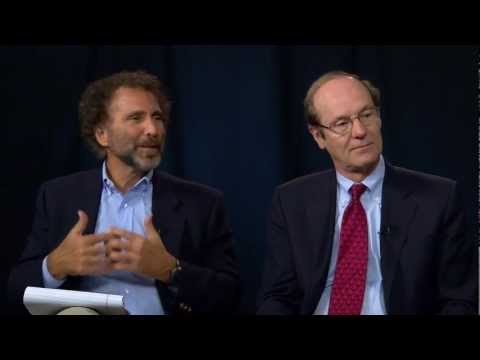
The right word choice can help social media influencers increase engagement, according to research from Wharton marketing professor Jonah Berger.
The Knowledge at Wharton podcast features interviews with Wharton faculty and industry leaders about the business landscape and the impact of their work. Conversations range from the latest research and books by faculty authors, to Leading Diversity at Work with professor Stephanie Creary.
#marketing #advertising #marketers #socialmedia #influencers ----- The Wharton School of the University of Pennsylvania is committed to sharing its intellectual capital through Knowledge at Wharton, the school’s online business analysis journal.
Launched in 1999, Knowledge at Wharton offers free access to:
- Articles, podcasts, and videos highlighting Wharton faculty research and analysis of current business trends - Interviews with book authors from Wharton School Press - In-depth series of curated content like Wharton Executive Education’s Nano Tools for Leaders - A searchable database of more than 10,000 articles covering all aspects of business - A weekly newsletter that delivers Knowledge at Wharton insights directly to your inbox
Visit the Knowledge at Wharton homepage: https://whr.tn/3qUpSBE Subscribe to the Knowledge at Wharton YouTube channel: https://whr.tn/3DEAgAU
Read the full transcriptHide the full transcript
- this podcast is brought to you by knowled of [Music] warten Welcome to knowledge of Warton I'm
- Angie basuni here with me again is Jonah Burger marketing professor and today he's going to teach
- us about how to be a more impactful influencer he's been doing some co-authored research that
- looks that how sensory language can help social media marketers Drive engagement connect with
- their customers more and hopefully Drive sales Jenna welcome back thanks for having me so I was
- reading recently that social media spending uh on influencers has reached has passed the 20 billion
- do Mark that is a huge spend for Brands tell me a little bit about this research and why you wanted
- to look into it yeah so if we go back in time a little bit say like about a decade ago uh I did
- some conversations with knowledge of won about that time around the power of word mouth right
- um my first book contagious was all about kind of word mouth how do we get it how do we get people
- to talk and share and at the time people are still used to sort of a traditional advertising mindset
- right um uh we go on television a spokesperson or an actor just a regular sort of looking person
- talks about a product or service says how great it is and and people are starting to realize in
- kind of the early 2010s wait word of mouth is much more impactful than traditional advertising right
- we trust it much more because it feels like it comes from a peer rather than a company and it
- can be much more more targeted it can be more like it to reach interested uh ears um and so companies
- and organizations given that sort of Revolution and intention of Word of Mouth have spent the last
- kind of decade and a half starting to think about well word of mouth is really valuable
- how do we get um and some of that is encouraging their existing customers to talk and share which
- is great but companies used to that traditional advertising model said well wait a second I'm
- used to paying buying sort of attention for my stuff is there a way to do that and that
- really started the influencer room right it's in some sense a new type of paid media rather than
- kind of me designing an ad as a company and going on television or putting it in a magazine now I
- pay a quote unquote influencer sort of an online individual who has some sort of following to talk
- about my product my service and share my message and so now this 20 billion dollar B industry
- has has grown up um where people are talking about products and services and using them to
- influence others but importantly there's a right um influencers are interesting right they often
- have large followings uh people pay attention to them can raise awareness to products and services
- but they have a trust problem not everybody trusts influencers because they're not the same as their
- friends right if your friend says oh my God I went to this restaurant it was great or a a colleague
- in another organization said you know I tried this software and it worked really well for us more
- like a listen them because you know they didn't get paid but when someone online that you don't
- really know so well talks about about something or shares a piece of content you don't know whether
- they did it because they actually like it or not or just because someone paid them and so there's
- this challenge of hey lots of money is spent on influencers is all that money really well spent
- and so that's really where this paper project started hey lots of companies organizations are
- paying lots of individuals to post lots of content some of it is impactful some of it isn't why right
- what drives impact what types of posts from these so-called influencers have more impact and even
- more importantly why and how by understanding that why can we both increase uh the effectiveness of
- our spend uh as well as make our stuff more more impactful I think that's what's really interesting
- about social media influencers is they really do just have this single interface this medium
- and so that makes what they say and how they say it certainly much more important so let's
- talk about that sensory language that's at the heart of your paper what do you mean by sensory
- language give us some examples sure so let's talk about something like a food product will be really
- simple here right imagine I said oh oh my God I tried this food and it was really good that would
- be a nonsensory word doesn't doesn't relate to the senses in any way alternatively I could say hey I
- tried that food and it was really tasty right uh tasty relates to the senses it speaks to my
- sensory experience in this case my experience of taste I tasted the food and I like the way
- it tasted it was tasty um similarly I could talk about a cream uh let's say a a a dry skin cream
- um and I could say hey you should put it on your hands right and that's not really a sensory word I
- could rub it I talk about rubbing it on your hands that's a word that relates in some way shape or
- form to the senses and so we can think about our sense of touch our sense of smell our sense of
- taste our sense of hearing even our sense of sight some words relate to those senses more than others
- unlike a word uh just a positive word like good or even great or could be negative words also these
- sensory words really touch on senses and some way shape or form right uh I I rather than putting uh
- peanut butter on bread I could spread it on that bread uh rather than sort of adding uh flakes
- on top of something I could crumble it uh on top um steak could be really good or could be really
- juicy right and so all of those latter words they speak more in this case to a sense of taste or
- a sense of smell or a sense of touch and so all those in someway shape or form relate to sensory
- experience and that's what makes them sensory language I it seems to me like sensory language
- would be sort of in no brainer and they've been doing this for a very long time with television
- commercials um radio ads all that sort of thing but you're actually your paper points out that
- uh the effect of sensory language on consumer Behavior especially online consumer Behavior
- has sort of been overlooked in the literature so what does your paper contribute to this how
- do you shed some light on that yeah I mean it's a really good observation that um particularly
- food marketers have for a long time I think recognized you know when you show a hamburger
- you want to show it looking you know PL lump and and juicy and all those sorts of things um but I
- think even traditional sort of advertisers have not always thought about language there hasn't
- been amazing research um that's been done there's been a little bit of work but even in advertising
- not a lot of work on the exact words we Ed to describe things in part because it was tough
- to study and in the last um sort of five 10 years there been a revolution in our ability to extract
- Insight from content and that's really opened up some exciting uh work on on language and so in
- this case um you know uh we tried to begin to say okay well what is the language that influencers
- use and different people use different types of language right um most influencers are not
- necessarily experts on language um some of them just post content and they try to figure out what
- works and what doesn't but they may not always have insight into why and so we got a large data
- set of hundreds of different influencers posting thousands of pieces of content across multiple
- different platforms and what we did is we began to look at actually the content they were posting
- We Said okay controlling for everything else so controlling for what topic they're talking about
- um you know what brand they're working with how many followers they have um their gender
- their age um what time of day they posted it the other words they're using might the specific type
- of language you know rather than saying uh food is good saying it's tasty for example um rather
- than saying it's great or wonderful saying it's juicy or fragrant these language uh words that
- sest suggest direct experience might they actually have a bigger impact in fact we found that it did
- so in a variety of different domains uh we found that using sensory language um rather than this
- other type of language had an impact not just a significant impact but a pretty large one um
- in uh Tik Tok for example an additional sensory word just one additional sensory word in that in
- that uh video that people might be making was associated with 11,000 additional likes and
- and comments and so we not only looked at the impact kind of what does sensor language work
- and it does we look both in the field as well as experimentally we just manipulated those words and
- um asked people to imagine that it influence One Thing versus something else we showed a
- causal impact of that language on Behavior but we also dug into why um and as a as a scholar
- of consumer Behavior I always find the why really uh interesting and important and my my co-author
- the first author of this paper Luca really really did the hard work on this and and what he pointed
- out is is look influencers have a big challenge I they're talking about all these products all these
- services but people don't know whether to trust them or not um and even if you say something is
- good or it's great or it's wonderful or I love it lots of people say those things how do I know
- that I can trust or not but sensory language does something quite interesting right um if
- it suggests that you've actually had Direct experience with that thing right if if you're
- saying hey it's really juicy or really tasty or really fragrant or really smooth right good
- is a positive adjective but smooth suggests you've actually felt it right I love these cookies that's
- really positive but you know they have a big crunch when you bite into them well that suggests
- you much have actually bit into them right anybody can say the cookies are great whether they've
- tried them or not but to actually say they have a crunch you must have actually experienced it right
- and you can imagine the same thing for other types of experiences whether it's a a consumer product
- or whether it's more of a B2B software backend sort of thing and so using sensory language
- suggest direct experience suggest someone actually try that product or service they're talking about
- and because that makes the speaker seem more authentic right it makes them seem like they're um
- I've actually used that shampoo or relied on that software package I liked it not to use it enough
- to use it myself and so I'm not just recommending because someone paid me I'm recommending because
- I actually liked it because I tried it and wow if you actually liked it and you tried it I'm
- much more like list so just using that sensory language can move the influencer from someone
- p is perceived as I'm just getting paid to endorse this product to someone who's actually experienced
- the product likes the product is endorsing it because they believe in it exactly and that's
- a big challenge here right do I trust this person and so I use cu's just like right if you just met
- someone you try to figure out well do I trust them or not and it for influen is particularly
- difficult because we don't have the most trust for them to begin with but we use cues like the
- language they use or the photos they post or other things to make inferences about them in this case
- right sensory language suggest direct experience we've done other work on other types of languages
- or images that speak to similar things but it's it's all about sort of saying hey I'm not just
- saying this I actually experience it and if I actually experience it I'm more authentic
- and I'm then I'm going to trust that person I'm going to be more likely to buy the product talk
- so what is your big takeaway for marketers or for social media influencers who want to get better at
- what they're doing yeah I mean I think this has both this as you very nicely said sort of direct
- takeaways for individuals who are themselves influencers or who want to have influence many
- of us may not see ourselves as influencers per se but we may want to have influence um uh more on
- the on the folks that listen to us whether online or off but also the brands of the organizations
- that work with these individuals and I think what's particularly neat here is this is not a
- big ask right we're not asking you to have 10,000 more followers or you know drastically overhaul
- everything you're doing subtle ships really small ships in the language you're using can have a big
- impact ises that men right one additional sensory word is associated over 10,000 additional likes
- and comments on Tik Tok and so by understanding what sensory language is and understanding how to
- work it in to what we've done uh what we've posted what we're sharing we can have a a big impact
- on on our contents eventually influence and it doesn't cost anything extra doesn't cost anything
- extra no we like that thank you Jah his paper is titled how sensory language shapes influencers
- impact you can find it online along with his many books on powerful persuasive language the
- latest one is called magic words what to say to get your way if you enjoyed our conversation we
- encourage you to check out all our content at knowledge. won. up.edu I'm Angie bassi thanks
- for joining us for more insight from knowledge at Wharton please visit knowledge. won. up.edu
- [Music]
Brief Summary
Jonah Berger explains how sensory language boosts influencer marketing effectiveness and consumer trust.
Key points
- The Rise of Influencer Marketing. Social media spending on influencers has surpassed $20 billion, revolutionizing advertising.
- Impact of Sensory Language. Research shows that sensory language significantly boosts engagement on social media.
Episode highlights
- The Rise of Influencer MarketingSocial media spending on influencers has surpassed $20 billion, revolutionizing advertising.“That's a huge spend for brands!”0:35Sep 21, 2024
- Impact of Sensory LanguageResearch shows that sensory language significantly boosts engagement on social media.“One additional sensory word is associated with over 10,000 additional likes.”11:28Sep 21, 2024