Why Women Still Can't Have It All
Ask about Knowledge at Wharton
Episode Description
When Princeton professor Anne-Marie Slaughter published an essay in The Atlantic titled, "Why Women Still Can't Have It All," in July 2012, she touched a nerve across generations and set off a renewed public debate on women's progress and work-life balance. In an interview with Stewart Friedman, director of the Wharton Work/Life Integration Project, Slaughter shares what it was like to draw back the curtain on her life as someone perceived to "have it all" and suggests how companies can make life better for both women and men. 📂 Management;Human Resources
Read the full transcriptHide the full transcript
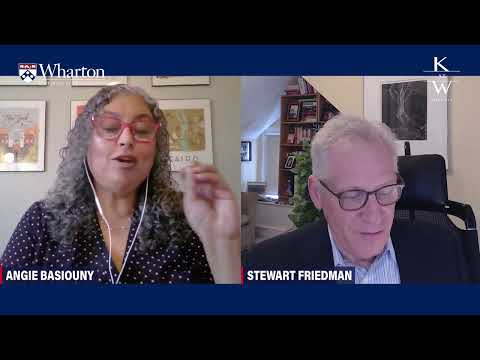
- [Music] [Music] hi I'm Stu Freedman from the management department at the Wharton School and I'm
- here today speaking with anarie slaughter who is a professor of politics and international Affairs at Princeton
- and who wrote the Earth shattering article in the Atlantic last year uh why women still can't have it all and we're
- here to speak with emry today about that welcome emry thank you my pleasure it's
- great to have you here let's start by uh a little bit of background on that article and what spurred it what was was
- there a critical experience in your in your life or in your work that propelled you to write that
- piece I would say somewhere over the in the two years that I spent in Washington as it became
- harder and harder to be working in DC with my kids back in Princeton I really did feel this sort of ground shifting
- under my feet as I started thinking you know I've always believed you could make
- this work work in family but this isn't working and so I started thinking about you know that writing something about
- that and then I thought well no you know this is just me it's just now and so probably the event that crystallized it
- was coming back to Princeton and starting to give talks just to students and they weren't prepared talks they
- were just kind of what was it like in Washington and I would start to to a lot would start to spill out about how hard
- it was and it was those students and then later as I wrote in the article Road an audience of young Road Scholars
- who kept saying you have to write this and that made me decide this is going to be difficult
- it's hard for me to write it may be controversial but really for this next Next Generation I need to write this and
- we need to have this conversation so so the impetus really was to to share your story with the Next
- Generation and and and what was your your hope your intent or what were they asking for why was they were they wanted
- they wanted to open up the conversation around work and family and they wanted to hear more than what I and so many of
- my peers have been had been telling them which is you can do it you know our standard response had been you can do it
- it's hard but you can make it work and that is of course true for some number of women and that is has been true of me
- as long as I stay in a more flexible job and I did make it work for two years in
- Washington I just couldn't make it work for four much less eight but these younger women and men I think in some
- ways are the first generation who've watched a whole generation of working men in women ahead of them because I
- didn't see working women I'm I'm of the generation where I was still first these
- young men and women whether it's their own parents or others have seen it and they don't like what they see or they're
- scared of what they see or at the very least they think you know what people tell me and the reality I'm seeing just
- isn't meshing so there is a hunger to open this topic back up whereas many women of my generation told me after
- this article came out well you know that's fine but it wasn't exactly news right like we knew this is living this
- we've been we've written these things before you could have written this 20 years ago it wouldn't have been any
- different so every generation has to find it for themselves so what what was the news if I can follow on that last
- Point what was it that what cord was struck I mean why do you think it had such a a broad effect and
- readership well I think it I think the first thing is I did catch again this generational wave and I think many young
- younger women who had been saying to each other I don't want to be in a workplace and never see my children I
- don't want to have two nannies if that's what it takes I want something different
- those women had been talking to each other but it wasn't getting it wasn't registering in the larger conversation
- they sent my article to their mothers sisters aunts mentors every woman I think uh who they had talked to as as
- well as to each other so I think that's uh a large part of it but I also think you know I was drawing aside the
- curtain I did know that I was doing this I I I have been enormously successful and very fortunate uh and I've been able
- to have great jobs and so from the outside I think it looked exactly like sure you can have it all you know I have
- two kids and a husband and great some great jobs and the fact that I was saying you know what actually this
- didn't work the way way I expected it to actually I'm having to not continue in a
- job that I would have loved to continue in because my kids are at home and and I
- feel like that's more important I think it it kind of ripped aside the um the perfect facade and I know many
- women wrote me with profound relief CU even the women who are making it work and the men it's hard they're feeling it
- right they're feeling it and they were feeling like that was their fault you know something must be wrong with them
- they weren't organized enough or there something was wrong with their parenting or something and I was basically saying
- you know what this is really hard and a lot of people are not actually able to make it so a lot of people are stepping
- out and that means we don't have that's the major explanation in my view as to why we don't have enough women at the
- top you said that you became aware that the the feminist beliefs on which you'd built your career were shifting under
- your feet so were those beliefs wrong or were women women of of Our Generation sold a bill of goods by early feminists
- or have attitudes changed the world's changed what what shifted it's interesting I've I've had to think
- really hard myself about what I meant I certainly didn't mean that feminism sold
- us a bill of goods feminism is responsible and as far as I'm concerned for the life that I have I am in total
- debt to the women uh and the men who were a generation ahead of me who broke barriers and allowed me to dream of a
- career and then have one but along the way it never occurred to me as somebody as a self-proclaimed career
- woman feminist however you want to see it it just never occurred to me that I would end up in a situation where I'd
- make the choice I made and that's what shifted it was to leave Washington yeah to to and the way I think of the choice
- is I'd been there for two years I always knew that after two years my public service leave would end and that I would
- would go home but then I succeeded well enough to be considered for promotion and that was the point at which I
- thought you know the old me would have said well of course you'll make it work I mean this is just you have a dream job
- and that's even more of a dream job and generally if your part's in power and you have an opportunity you take it
- because you can never promise that'll come again and I when it came down to it as it was hard but I knew the right
- thing to do was to go home and that is not something I had been taught to expect of myself in other words it's the
- flip of the 1950s stereotype the woman of course is going to you know choose her children and put her family first I
- just thought no I'm a different kind of woman and I or parent or person it's not
- just a woman and I I will make it work but when it came down to it I realized you know what
- there's actually something more important and as you know ambitious as I am as dedicated to my career I'm
- actually a different person than I thought I was so your thinking had evolved in in light of the the Zeitgeist
- of beliefs about what men men or women could possibly do yeah it's hard to explain fully but it was it was
- exactly you know I think the best way to explain it is I just read an article about how we always look back and we
- know we've changed a lot if I think of who I was at 20 or 30 or 40 I know I've changed a lot but when I look forward I
- assume I'll be the same person at 60 or 70 or 80 and yet in fact of course change and so it was an evolution it was
- a growth but it was one I never would have expected you've said that there are several half truths that that women hold
- here and you write about this in the piece uh that it's possible to have it all if you're just committed enough if
- you marry the right person if you sequ sequence it right what did you mean by Hal truths well exactly that they are
- true but not enough I mean there there it is certainly true that if you want to succeed you have to be committed you
- have to work very hard I mean Cheryl sandberg's arguments are right I think in many many ways but that's not enough
- and it's also certainly true that it may be necessary to marry the right person I
- think it is but it's not always sufficient makes a huge difference if you don't marry the right person you may
- never get out out of the Starting Gate but even with a fully supportive spouse and that and I have a wonderful husband
- who is completely you know a equal partner more than an equal partner even so you know you hit situations
- where both of you need to be there or you feel you need to be there uh and the sequencing it could be right in the
- sense that if we restructured Society in the workplace I think it would be quite
- possible to sequence but right now what so many women have found is if they opt out of the workplace for something they
- might think it's five years eight years they can't go back or they can't go back
- in the same way it's not that they won't get a job necessarily but but it's not as if they pick up as you know that
- associate who was heading toward partner or you know that untenured faculty member who was heading toward tenure
- they're in a very different world the paths are the ba the pathed or different very so they're half TRS but there are
- things we cling to because we want to believe if we just do this it'll work and that's not enough so what can
- businesses do to be supporting employees to to be able to live the lives that that matter to to them and still
- contribute productively to the economic engines of progress in our society and businesses specifically um what thoughts
- do you have about that what have you been discovering about that as you've really taken up the charge in this in
- this Arena this last year Well there I mean they're their whole programs the one that I think is the most interesting
- is the results only workplace environment or row where you effectively tell your employees here's what you have
- to do here's the date by which you have to do it here's the quality that it has to attain and it's really up to you when
- you get it done and how you get it done and where you get it done uh which is a radical uh change it's not Flex time
- it's no time it's your time um there are there are programs like that and they're
- being implemented in some very surprising places including some very big corporations I actually think the
- most important thing is what I call the culture of the presumptive yes which is you are completely open to
- experimentation and you let your own employees figure out either to singly or more likely as teams what they need to
- make it work and then you experiment and some of those experiments will not work
- you know a job share really may not work a certain kind of flexible Arrangement may not work but you're willing to try
- and it's like any innovation you know small steps small bets you you keep trying and you see what works and
- when it works then you expand it so I think the the biggest barrier in the workplace is women are afraid to ask and
- Men parents are or caregivers are afraid to ask because they're afraid they'll be
- told no but worse still they're afraid that they will look like they're not so committed to their career so the very
- asking will be a black spot so they don't ask so nothing changes uh and if the management said hey you let's try
- let's try you tell me what you need and let's give it a try and if it doesn't work I promise you I will say it's not
- working we got to do something else but hey maybe it will and those small steps then engender
- a greater sense of confidence and confidence in being able to produce further changes and and uh and so it
- goes absolutely experimentation um so thinking about what we do here at the whorton school uh and other business
- schools what thoughts do you have about what we ought to be doing to Foster progress well in the first place I think
- the idea that if anybody in any student in that classroom who would like to reproduce let's just put it that way
- wants to have children or uh imagines that they're going to want to have time for f their family everybody needs to
- think of it as an equal respons responsibility and that is an ethos that I think we are starting to see among
- many of our younger men that it isn't this idea that well you know that's the person at home's domain presumably a
- wife of uh but rather this is my responsibility how am I going to fit my career around it because if we get men
- and women thinking that way or women and men I should say that changes the dynamic a great deal and of course then
- Young young men start asking questions of employers as well and that that makes a big change but I think there's even
- something deeper and I've thought about this even at the undergraduate level we are seeing kids who are more
- programmed and more accomplished than ever before they don't have a speriment it I have a 16-year-old son and at 16 he
- has little time and if you look at my freshman and sophomores at Princeton they are scheduled to the minute and I'm
- sure at Wharton it's even greater you cannot re Ward cramming every minute of your time all the way through high
- school all the way through college all the way through graduate school the early parts of the workplace and then
- say Oh but now actually family is really important I mean that we have to start putting our money where our mouths
- are we really have to start saying we think it's important to take time now as students as faculty we think that hour
- that you have coffee with a friend is more important than cramming in one more thing on your resume we think calling
- home or we think taking time and I don't mean volunteering and doing good works I
- mean cultivating human connection with those you love be and at this you know as students it's mostly F it's friends
- sure but I've heard students say you know I have to schedule in my friends I don't have time for my friends well
- later that's going to be I don't have time for my kids and that's what again Fosters this binary choice voice so I
- think we've got a lot of work to do as educational institutions indeed um I couldn't agree
- more well what do you think we should be telling our kids about what they can expect in in their work
- lives well one thing I I think we tell them the the future work is changing right work over their lifetimes first
- place they'll whole many different jobs but work itself will be done in pretty radically different ways uh different
- kinds of knowledge work different kinds of teamwork uh different kinds of techn technologically enabled work so what I
- want to tell them is and as part of that less is more a lot of it's creative work
- you will not be able to succeed creatively unless you give yourself downtime unless you it's not just
- downtime it's different time you need to do different things you need to talk to
- cultivate different relationships and you should as you think about the changing nature of work you should be
- thinking about a very different notion of the place of family as part of that changing nature and that you will be
- happier you will be more productive you will be you will work longer and live longer your children will be happier and
- our society will be more competitive and so I don't like thinking about it just in terms of work family and you taught
- you yourself actually taught me to stop saying work life because work is part of
- life and that doesn't work I prefer to think of it as Who are the who do we want to be as Breadwinners
- caregivers human beings professionals so as you think to the Future about the Next Generation which
- which clearly is your your motivating force behind this work um where does where does the brunt of responsibility
- lie is it at the individual level is it is it institutions uh social policy public
- policy uh where where is the real action have to have to come in order to see the
- kinds of changes that you're envisioning I think at all those levels I really do
- I do think every individual can be part of this change and part of the reason I'm writing a book is both to tell the
- stories of men and women have written to me and to Showcase Solutions but also to
- say to people if you want to be part of this change you know here's what you can
- do for men and women uh I think government is going to have to do some big things it it just has to if you look
- at the societ societies that make this work it isn't an opin situation you know there are certain we're going to have to
- move toward Paid Family Leave we're going to have to have paid family leave and you know yes I understand that
- business says that's an incumbrance but you know back in the early part of the 19th century
- they thought restrictions on work days period were an incumbrance right I mean so we're going to have to have some
- really important signals from the top from government but I wouldn't wait for that uh I would work for it but I
- wouldn't wait for it and the so the in between is the workplace and there I think a lot of the
- experimentation must take place the places that are are doing this kind of experimentation have a better chance of
- retention um I think leaders and again this is work you've done that I've read I mean thinking about total leadership
- thinking about what makes you a good worker m are a good leader a good professional so workplaces are going to
- have to change things like you know schedules and time in the office but they're going to have to change cultures
- and that you know good CEOs are always about I think many of the best are about the culture and the culture now has to
- focus on it essentially has to say you were here all night for you know two months you you're either not managing
- your time well and you must be a very unidimensional person so you know that's not what we want to reward we want to
- reward the quality of your work but we also want to reward somebody who is you know able to relate to others to manage
- well to understand to manage well that people need time not they're not just automatons all those things changing
- culture is a a a slog right it takes a long time uh especially deeply entrenched attitudes and values and
- expect ations the kinds of things that you're talking about so uh as we're wrapping up here and what is it that
- you'd want to uh kind of convey to boil it down to as to the to the viewers in terms of what they can be doing now we
- can all be a part of of progressive change in this area what what's the most important thing for people to be
- thinking about it and doing so I think the first thing is for for all of us it's to own what we want not what think
- we should want not what you know our parents expect and or Society or any of that own what we want and recognize that
- if we want both a profession and the power and dignity of a profession and the love of family and however family is
- constructed that is entirely legitimate and actually we will be better for it as
- our society will be so that's the first thing and the second is to have the courage to both talk about it and ask
- for change the worst that can happen is somebody will say no but I think part of
- what my article demonstrated was there were a whole lot of people who are thinking about like this and you know if
- you thought you were alone no the woman next to you and the man next to you they
- were thinking about it too so have the courage to say I'm G to ask and even if they say no And even if they think a
- little less well of me well you know that's not what I'm judged on I'm judged on the quality of my work and I'm going
- to keep working so you're no worse off and you may be much better off and then I think if you are in
- management you have you should be willing to get out of your comfort zone so many people tell me all the time well
- you know I'm just uncomfortable with a job share or well that goes against the idea what are other people going to
- think if this woman has a different Arrangement and that man you know comes in only four days a week so get out of
- your comfort zone that's what change takes try it and I think you may be agreeably surprised surprised uh and I
- think it may it may lead to then it's a then it's it's a long slow process but it's a virtuous
- circle thank you emry you're welcome appreciate your time here today my pleasure all
- [Music] right
Brief Summary
Anarie Slaughter discusses work-life balance challenges and the need for cultural change in workplaces to support families.
Key points
- The Challenge of Work-Life Balance. Anarie Slaughter shares her struggles with balancing work in Washington and family life.
- Opening the Conversation. Slaughter discusses the need for younger generations to address work and family dynamics.
- Redefining Success. Anarie Slaughter reflects on the evolving definitions of success and ambition.
- Changing Workplace Culture. Slaughter emphasizes the importance of shifting workplace culture to value quality of work.
- Own Your Desires. It's crucial to own what we truly want, not what society expects.
- Courage to Change. Having the courage to ask for change can lead to unexpected support.
Episode highlights
- The Challenge of Work-Life BalanceAnarie Slaughter shares her struggles with balancing work in Washington and family life.“This isn’t working, and I need to write this.”1:18Feb 13, 2013
- Opening the ConversationSlaughter discusses the need for younger generations to address work and family dynamics.“We need to have this conversation.”2:02Feb 13, 2013
- Redefining SuccessAnarie Slaughter reflects on the evolving definitions of success and ambition.“I realized there’s actually something more important.”7:20Feb 13, 2013
- Changing Workplace CultureSlaughter emphasizes the importance of shifting workplace culture to value quality of work.“The culture now has to focus on quality of work.”19:22Feb 13, 2013
- Own Your DesiresIt's crucial to own what we truly want, not what society expects.“Own what we want, not what we think we should want.”20:25Feb 13, 2013
- Courage to ChangeHaving the courage to ask for change can lead to unexpected support.“Have the courage to ask for change.”20:55Feb 13, 2013
- Embrace DiscomfortStepping out of your comfort zone is essential for meaningful change.“Get out of your comfort zone; that's what change takes.”21:34Feb 13, 2013
Tension
30/ 100Low tension