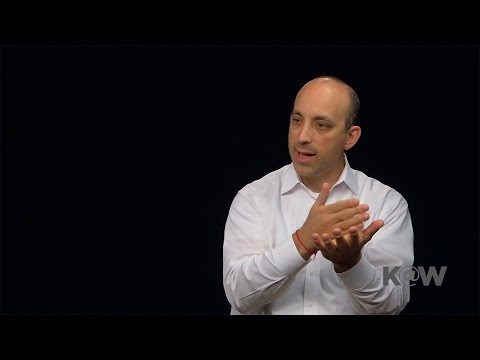
Leadership: Edward D. Breen, Tyco International
Ask about Knowledge at Wharton
Episode Description
📂 Leadership
Read the full transcriptHide the full transcript
- [Music] [Music] so um Ed welcome to knowledge of Wharton we're going to talk about your rather uh
- amazing career you worked at General instruments you were number two the president of Motorola for the last 10
- years you've run Tao I'm going to begin in the middle of um all the above you were number two at Motorola Tao got into
- a lot of trouble with malens at the top you were recruited to come in as the chief executive at the end of July
- 02 and as I recall you're in your office at Motorola knowing that at the end of the day you're going to be announced as
- the new chief executive of Tao then a company of almost a qu million employees huge Enterprise and across the Ticker on
- the screen on your desk it said Tao to declare bankruptcy so picking up on that tell us about that day and then as you
- went to New York and took the rains on that following Monday with all the uh extraordinary attention to the malfant
- of the people who are running Tao the fact that it was a huge company with businesses all over the world you did
- have to take control had to take charge talk us through that transition well the day that that uh I think that
- was a Thursday Late July uh that came across the screen that Tao was uh looking at declaring bankruptcy uh it it
- just showed me what was about to happen as I entered into this new career because it was just chaos for the first
- months and events were like that every day um but you know what what was kind of scary about that uh when that did
- occur or at least those the talk about it occurred is the stock really continued to plunge and if I remember
- the numbers right um on that day specifically the stock had opened around $12 and ended the day around $8 a share
- so that's a huge percentage drop uh in a company that's already got a lot of other chaos going on around it so um so
- that was the backdrop to I guess a couple hours later my announcement coming out that I was taking over as
- chairman and CEO of the company um you know and I went in I started I was going to take a week off and uh I was advised
- by many people including the outside lawyer at Tao you better not there's not time here uh so I started got got back
- from Chicago started the uh next Monday um it it was sort of surreal uh because when you go into a crisis situation like
- that and especially crisis like this one at Tao uh one of your concerns is who can you trust who can you rely on and
- here I am in an environment around a corporate team obviously a lot of them knew what was going on because you can't
- pull off the shenanigans that happened without other people helping you so uh to me that was a big concern day one how
- did I work my way through uh that situation who could I trust and how could I start to rebuild uh the team at
- Tao as quickly as I could let me ask about that because within so many months of the 300 top people at Tao some 290
- were gone and within eight months the board that had hired you itself was gone and talk us through why you made that
- almost a complete house cleaning at the top both in management and the board looking back on that also do you have
- any regrets such that you would have done it a bit differently yeah you know I've been asked that question a lot and
- and there are different ways to handle it but I I I came to the conclusion very quickly with with what occurred at Tao
- um there was no one that was going to believe this was a different company if it wasn't a different management team
- and a different board uh so what really helped me to give you one example is we had five or six agencies investigating
- us well how do you go to the justice department or the SEC and say look we really are a different company and we're
- going to manage differently if the board of directors isn't different than the group that had been there before so by
- there's a lot of nice people on that board and to this day I actually talked to most of them still uh but it wasn't
- the right thing to do for them to stay so I came to that conclusion very early on and you know everyone said gez Ed you
- can't do that it's never happened in Corporate America before no board has stepped down
- uh together and uh you know there's always first and it was the right thing to do it was a clean break and you could
- honestly look someone in the eyes and say this is going to be a different company and we're going to run it
- different and on top management why wholesale house cleaning over the next six months you know most a lot of senior
- people in a company especially a conglomerate the size of Tao reside at the corporate office you know so you
- have your old Tax Group your treasury group your Accounting Group your controllership group um and I you know
- within day said they they know what happened here and they were complicit in some way in it in my opinion and you
- know if you can't have people around you you're not going to trust that aren't your team players so I didn't have time
- to figure out that I get everyone right um or not I just decided we had to rebuild every Department basically from
- scratch and that I would do it over you know pretty much the first year because you can't just ask everyone to walk out
- the door you can't run a company uh but you over about a year maybe a year and a
- half period of time uh you know we turned the whole team over and hired who we wanted on our team along that line
- several of your directors resisting exiting the board did argue that there was going to be a lot of tacd
- information lost if they all left in all the top management left since everybody
- did leave um how impactful was it to have almost nobody there left that knew all the informal things that are not
- written down but are critical for any company to operate yeah one of the things we did um one of the compromises
- we had and I thought it was a very good compromise was that we would keep two directors from the prior board to
- transition for one year with the new Tao board but they weren't voting members of
- the board but they came to all the board meetings because you do need institutional knowledge you know how did
- this deal happen you know there just a lot of questions that can come up so we had a very nice transition with um two
- of the directors for that period of time and then what what I relied on a lot um
- was outside people to help us we had investment bankers in we had a consulting company in I had David boy
- I'd say one of the best lawyers um that there is um I had a a PR firm that we brought in so I kind of kind of called
- it rent the corporate team for a while and they got to know the company well and they helped me through the
- transition as we rehired the Departments but there was a fair amount of knowledge
- with them that had built up over this whole investigative period the time to convince Attorneys General for states
- that were thinking about possibly inditing Tao to convince the big institutional holders that you had
- really transformed governance at Tao uh you made a whole range of changes such that in the estimate of one of the
- rating agencies you went from worst to First took a couple years to do that working with you you had a lead director
- named Jack croll he had a senior VP for corporate governance Eric pilmore the three of you really remade governance at
- Tao what was the essence of the Remake what got in the way what are some of the lessons coming out of that particular
- set of events to remake governance at the time yeah you know what was exciting about it is we kind of got to take the
- book clean again and rewrite it and we came up with all our own governance principles and we really researched what
- are the best practices and we picked them from different companies so uh we really I think picked the best Solutions
- um kind of stated the art Solutions in about there and by way over 10 years we've continued to add things to our
- governance policies and procedures um that I think have been very impactful and yeah I I think you're right we had a
- uh one of the firms that rate shown governance rated us with only a handful of companies with a 10 score um you know
- a few years after I was there but but a few of the things we did which at the time were very unique was we had actual
- positions in the company report directly to the board and not to me so for instance we had Eric pilmore who was a
- head of corporate governance and by way most companies didn't have a head of corporate governance just as one example
- but the second part of that is we had Eric report to the board of directors we had the head of our audit committee
- report to the audit committee and we had our OD budsman report to the audit committee so you know you look at well
- what happened to Tao and some of the other companies that blew up with some of the Malin there was no system around
- the C the the CEO who was all powerful and in our case we changed that by reporting structures as one key example
- I think many more companies have done that nowadays but back then that was very unique yeah that was a lot of the
- hard work in the first 12 or 18 months you had a huge U debt coming due 11 billion due in January February the
- coming year within a year or so you would stabilized uh cash flow became regular a
- lot of the all the investigations were behind you 10 years later now your executive chair of the board um looking
- back in those 10 years crisis stability you've gone through a couple breakups of
- Tao as well of all the big decisions you've made which one are you most proud of looking back over the 10 years as
- chief executive well I I don't know if it's I guess the most rewarding uh one would be um saving Tao
- um it really got close um we didn't know it we saved it really till the second week of January so I'd been there 6
- months uh when we did I think at the time was the largest convertible Bond offering
- ever done and then I at that night I realized wow people are behind us they want to invest in the company and they
- just gave us the breathing room now to go fix all these issues I that was the most proud I'd say the most difficult
- decision which I'm extremely proud of also is taking Tao and making six companies out of it five are public one
- is private and all the companies are doing extremely well um and all trading at alltime highs and and uh you know I
- think it was absolutely the right strategy for the company but that's not an easy decision to make let's think
- about what made for that ability to get through an extraordinary period looking back to your time before you came to Tao
- maybe even much earlier in your career is there an individual or maybe even a couple that helped you become the person
- you are a mentor a coach somebody that influenced your life and you know I was I think very fortunate at a young age um
- I was at General instrument uh the the largest supplier of cable technology to the cable the the N cable industry just
- growing so I grew up around all these entrepreneurs that cre created these big media companies John Malone he owned a
- part of GI he invested with me uh back in the late 9s the Roberts family at comc um my great mentor Frank drendle
- who's run comp scope for 40 years um and these were entrepreneurs and what I learned from them and I I think I've
- taken forward um through my career was they they were very decisive they studied things but they had to make a
- decision the Bold big decisions that need to be made and I've watched a lot of management they can't make the big
- decisions and they drag and delay and there's always a competitor crawling right behind you wanting to pass you and
- uh I think that was a great experience for me in my 20s and then you know the one that sort of then built on that was
- we took GI private with Ted forcan Forceman little one of the great private Equity firms and when you learn in a
- private situation is every decision ision it's almost like it's your company what do you want to do with your company
- and it's an interesting way to look at it you know you don't worry about every constituency it's our company and I've
- always tried to keep that in mind when I make the big difficult decisions is this
- what Ed Breen really thinks needs to be done for the company pretend it's mine and to some extent it is and you know
- not worry about well what what are they this group going to think this investor group what are the debt holders going to
- think what I always try to think purely what is the right decision and the right
- decision at the end end of the day is um what creates long-term sustainable shareholder value and if you keep that
- line at the tip of your tongue when you make a decision you're generally going to have some pretty good results and
- let's pick up on net I like you to describe if you wouldn't mind a moment of decision a time when your leadership
- was on the line maybe a tao maybe at GI maybe at Motorola pick a moment that best
- exemplifies your leadership how you approach things just describe it interpret it for us well I I'll give you
- um let's take GI I think and by way in a whole career I've had a 34 year career I
- was thinking through this the other day I've probably made 10 really big decisions that really really mattered
- that moved the needle in a big way and one was GI when uh we developed a first digital technology for the whole
- industry and it was too expensive for anyone to want to buy and everyone is trying to take our position away from us
- Microsoft Cisco Samsung Sony and what we did is decided to sell warrants in our company to our customers or give them to
- them if they would buy our digital set toop boxes from us and we locked up twoth thirds of the industry within a
- couple weeks the industry ended up owning 15% of the company and you know if you go back and
- look at the GI history that's what made the company take off we won the digital war and um a company that was valued at
- 1.6 1.7 billion we sold to Motorola for 18 billion so that's a situation if you worry about every other issue besides
- creating long-term shareholder value a lot of people wouldn't do that kind of deal um it was absolutely the right deal
- for us if I can ask where did the idea come to do it that way with your customers you know it was a small it was
- a small group of us um John Malone who ran the largest cable operator at the time which was TCI in Denver mhm um
- Frank drendle my mentor who also ran a cable supply business and still to this day is involved and uh myself um and
- with a consultation with Ted Forceman ah head of Forceman little and let me have you look back on
- your career in a little bit of a different way what do you know now especially after 10 years of Tao about
- leading private Enterprise that you would not necessarily have appreciated earlier in your career well a couple
- things I think are big um what you learn when you're in the top seat is there really are a lot of constituents you
- have when there's a big decision you really got to think this through um again I always look at it number one is
- it going to create long-term shareholder value but after that is how do I address
- the employees how do I address our suppliers how do I address our investors the analyst and you just go right down
- the list there's a lot of things you need to think about and take into account uh when you make some of the big
- decisions you make and you know I think the other think part of this is going through you know people have put me in
- situations where there's a crisis I a big believer in from a management standpoint in the senior management team
- spending a lot of your time on the big swings the big strategy questions because what tends to happen when you
- come up in a company we all fight fires all day the phones ringing all day we're
- sending emails this happened that happened and you have to deal with those things what happens to management teams
- they the wheels just keep spinning they don't take the time to think about the big swings there's going to move the
- needle and um I think I learned that at a younger age because of some of the things I went through and if you focus
- on those things will really progress let's turn the question on its head is there some aspect of leadership
- again in your recent experience which turns out or some precept of leadership that turns out not to be as true as you
- thought it was true or not as much needed as you thought it might have been needed earlier in your career is there
- anything about leadership thinking that turns out to be uh just not on the money
- well I I don't know if people think this way but but you know you can have a great individual and a CEO or head of a
- division um but I guess the thing I learned along the way you really have to work on talent management and people and
- their development and really care about your team um I always put it into a sports analogy sports teams talk about
- who's going to play in the next game that's all they talk about how do I win the game who's going to play and a lot
- of companies don't think like that they don't spend time on the people stuff and
- uh there's no one individual going to make a company um so I always want to put people around me I think are better
- than me will challenge me that can take my position and by the way five of them have we've created Five public company
- CEOs we didn't hire them we create you know we developed them I think that's one thing where people don't spend
- enough time um at it I I I might conclude that comment by because I know I would say in um recent years maybe
- because of some of the scandals you people get a misimpression of a lot of CEOs 99.9% of CEOs are great people they
- work hard and they think about their company seven days a week um you know trying to do the right
- things let's uh take that same question and think about somebody who's aged 20 coming out of an undergraduate Business
- program a 29-year-old MBA graduate looking back again on your experience what advice would you have for somebody
- who would obviously not follow precisely in your footsteps but somebody who has a
- lot of interest in taking significant responsibility in the private sector so for their leadership what advice would
- you have well I I would say a couple are just kind of higher level comments um but I think are most important you you
- you want first of all you have to be passionate about what you're going to do or you're never going to get to the top
- seat um and you see it in people you know are they just doing this because it's a job or they're making a lot of
- money at it or they passionate about what they're doing so I would just stress to anybody coming out of school
- do something you feel passionate about cuz somehow it's going to just make you bubble to the top it just is the way it
- is and I I know that in my company is what I look at and everywhere are they passionate or not secondly I would say
- kind of high level U but very important is be a team player if you're not going to get there individually by you know
- not you got to be a team player especi if you get to be a CEO it's all your team um so you got to be a big time team
- player and maybe the third thing I would say and I'm looking back on my experience raise your hand for as many
- assignments as you can there in companies there's always an extra project team you keep your job you work
- on an extra project or inter departmental teams raise your hand and get the experience um it's the best way
- to move up in a company and by you get known that way and what I would always look and I was fortunate find a
- mentor Ed a final question here as we break off looking back at GI looking at motor a looking at your ten years at Tao
- um hundreds of Peri hundreds of moments probably thousands of decisions 10 big ones you said along the way here what
- stands out as the best moment in a period especially at Tao early years which were grueling demanding but
- looking back at all the above what was your most outstanding most rewarding best remembered
- experience well you know it was actually um very it was the six months into being
- at Tao um we had a we were going to raise money convertible Bond offering and we did a conference call from our
- boardroom and then my CFO and I were going to go on a road trip for a week and a half to go raise the money conjure
- up the interest and at the end of that call someone walked down my office said Ed this Steel's 30 times over
- subscribed that night uh I went out with most of my team and I I remember called
- up my wife and I said you know what we're going to make it now now I have the time to go fix the company put the
- operating systems and I want hire the people I want um really take our time and do this thing right that to me was
- probably the most rewarding because those first six months uh yeah it was tough looking in the mirror some
- mornings a a turning point indeed yeah it really was a turning point so Ed Breen thank you for joining knowledge of
- Warton today we appreciate it very much thank you thank you Mike [Music]
Brief Summary
Ed Breen discusses leadership challenges and reforms at Tyco and Motorola, emphasizing crisis management and corporate governance.
Key points
- Ed Breen's Leadership at Tao. Ed Breen discusses his tumultuous transition to CEO of Tao amid bankruptcy fears.
- Rebuilding Tao's Governance. Ed explains the drastic changes made to Tao's board and management.
- The Importance of Passion in Leadership. Ed emphasizes the need for passion in one's career to achieve success.
- Turning Point at Tao. Reflecting on a pivotal moment six months into the journey at Tao.
Episode highlights
- Ed Breen's Leadership at TaoEd Breen discusses his tumultuous transition to CEO of Tao amid bankruptcy fears.“It was just chaos for the first months.”1:46Feb 13, 2013
- Rebuilding Tao's GovernanceEd explains the drastic changes made to Tao's board and management.“There’s always a first, and it was the right thing to do.”4:34Feb 13, 2013
- The Importance of Passion in LeadershipEd emphasizes the need for passion in one's career to achieve success.“You have to be passionate about what you’re going to do.”18:17Feb 13, 2013
- Turning Point at TaoReflecting on a pivotal moment six months into the journey at Tao.“That to me was probably the most rewarding”20:35Feb 13, 2013
Tension
60/ 100Some tension