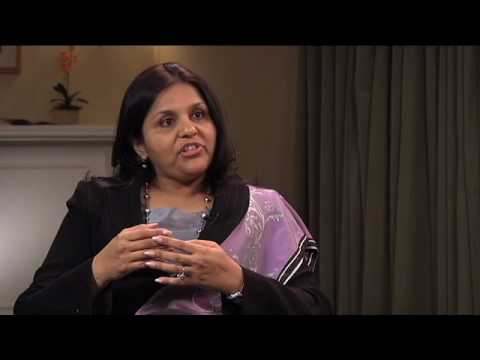
Ezekiel Emanuel Reflects on COVID-19 Pandemic, 5 Years Later
Ask about Knowledge at Wharton
Episode Description
The 5th anniversary of the COVID-19 pandemic highlights ongoing challenges in the health care industry's preparedness, resource allocation, and supply chain resilience. Despite advancements in vaccine development and data-driven responses, issues such as hospital capacity, clinical research inefficiencies, and workforce burnout remain unresolved.
In this interview for the Wharton Business Daily podcast, the Wharton School professor of health care management Ezekiel Emanuel emphasizes that while there were clear lessons, many necessary systemic changes have not yet been implemented, leaving vulnerabilities for future, similar situations.
----- The Wharton School of the University of Pennsylvania is committed to sharing its intellectual capital through Knowledge at Wharton, the school’s online business analysis journal.
Launched in 1999, Knowledge at Wharton offers free access to:
- Articles, podcasts, and videos highlighting Wharton faculty research and analysis of current business trends - Interviews with book authors from Wharton School Press - In-depth series of curated content like Wharton Executive Education’s Nano Tools for Leaders - A searchable database of more than 10,000 articles covering all aspects of business - A weekly newsletter that delivers Knowledge at Wharton insights directly to your inbox
Visit the Knowledge at Wharton homepage: https://whr.tn/3qUpSBE Subscribe to the Knowledge at Wharton YouTube channel: https://whr.tn/3DEAgAU
Read the full transcriptHide the full transcript
- well as we talk about the fth anniversary of the Corona virus pleasure to be joined by Ezekiel Emanuel who's
- Vice Provost for Global initiatives here at the University of Pennsylvania and also professor of Healthcare Management
- here at the Wharton School Zeke great to talk to you again how are you sir good good how do you look back at the the
- window the the and the impact of the covid-19 pandemic but even more so what do you think healthc care has learned
- from that period of time well it's a good question one of the thing I think is clearly and I feel
- uh uh comfortable saying it we we've learned about allocating scarce resources or rationing we've learned how
- the principles we need the ethical principles we need to bring to bear which groups get prioritization and
- which get further down the list um and I think that's actually been a big contribution because it's not just
- relevant to Corona virus um and vaccines and the pandemic it's relevant to lots of other things that the exact same
- framework is useful for like gp1s uh that are in shortage um I think we've also learned a lot about targeting
- high-risk groups and the importance of doing that um I would say uh we have learned a lot about the need for data
- the need for forecasting uh the need to have good resilient Supply chains that doesn't mean we've actually put that
- knowledge into action and that I think is the big disappointment that we have in the end
- not really um changed much of our systems as a matter of fact under the current Administration we seem to be
- undermining the preparation but even under the Biden uh team they wanted to put it in the back mirror and so lots of
- the things that we need to do in this country you know more resilient Supply chains more domestic production of
- generics uh having a domestic production of uh uh n95 masks and on and on we really haven't done those kinds of
- things we you know had a flurry of of uh domestic producers of n95s very good producers as a matter of fact and then
- we just let them Wither on the bind because it's a penny cheaper or a few cents cheaper per mask to buy it from
- China that is uh very shortsighted and unfortunately I think they're shortsighted in many many context has
- has one there's a there obviously was a lot of discussion when you talk about the vaccines and the development of the
- vaccines at the speed at which those products were developed and as well brought to Market is there an element
- that of that that you expect we will see continue to play into our health care sector in the years ahead well you know
- again this is a very interesting things we were able to Jin up you know uh um testing and production of the MRNA
- vaccines um we were not able to sort of rapidly test lots of different interventions in our our clinical
- research Enterprise and structure was maladapted to urgently testing things and I think we haven't fixed that a
- serious problem in my humble opinion um you know frankly I do think academic medical centers have some uh
- responsibility to Bear each one of want to get attention want to claim credit and the collaboration just wasn't as
- effective as it should be uh second thing I would say is it showed that the FBA FDA can act quickly but that
- requires resources it requires lots of people working and you know we're going backwards we're not going forwards we're
- reducing the number of people working that'll slow up the uh uh review times um I think it shows you that we can do
- these things but these are our intensive Endeavors similarly at the uh CDC the monitoring systems for Global uh uh
- infectious threats dismantling it the new uh forecasting Center there dismantling it we're not keeping the
- infrastructure that we need to rapidly respond to threats and I think that's the worst outcome uh uh similarly I
- would say that we learned uh again learned but didn't take into action you know we need better
- ventilation in our public buildings especially our schools we allocated a lot of money but did not mandate that
- that money be spent on upgrades to the uh uh um systems for uh you know air handling and HVAC and I think that's you
- know schools could have could have should have done that um but we didn't for the hospitals uh and with all of
- those different elements that you mentioned a moment ago are we headed towards kind of a a
- regeneration of the hospital system in terms of how it runs and all the technology and all these components that
- will come into play as well um I think hospitals are struggling um uh you know we've had a it
- probably don't know for most people we've had a a steady decline in the number of people admitted to the
- hospital um the peak was 1981 actually obviously there was a big bump during covid uh but the fact is that uh uh more
- and more care is being shifted out of hospital to the outpatient setting where you can do surgeries now that no one
- ever conceived of doing 20 30 years ago in the outpatient setting and um that actually makes the sort of whole
- economic model of hospitals a little more difficult uh um and the preparation you can't have lots of hospital bed just
- waiting um and one of the big problems at hospitals is moving patients who are ready for discharge don't need the
- hospital intensive treatment out of the hospital that system is broken also so if if we have another pandemic at some
- point are are we yeah that I was going to say sh your head it's it's not we're not nearly prepared enough are we we're
- not nearly prepared and I would say that the big problem there is going to be just the human resources we worked our
- our medical staffs to the Bone and um there's a lot of burnout there there's a lot of sort of uh feeling of
- overwork um and not appreciated uh yes early on people were appreciating them but afterwards it wasn't the case um I
- will note one of the terrible ironies I'm I was trying to figure out the right word
- three or four or five five probably four or five decades ago uh the president of
- the Beth Israel Hospital in Boston wrote a article about the rights of patients and the fact that Health Systems had to
- recognize rights now you go into hospitals and there's you know here's what patients can't do they can't abuse
- staff blah blah blah um 180 degree turnaround and I think it it reflects the sort of frustration with the health
- care System uh now and and Co only made it Zeke always great to talk to you and get your Insight thanks very much take
- care see you you got it Ezekiel Emanuel Vice provos for uh Global initiatives here at the University of Pennsylvania
- and professor of Healthcare Management here at the Wharton School
Brief Summary
Ezekiel Emanuel discusses COVID-19 lessons, healthcare challenges, and future preparedness in this insightful episode.
Key points
- Lessons from the Pandemic. Ezekiel Emanuel discusses the ethical principles learned during COVID-19 and their broader implications.
- Healthcare System Preparedness. Ezekiel Emanuel warns about the lack of preparedness for future pandemics.
Episode highlights
- Lessons from the PandemicEzekiel Emanuel discusses the ethical principles learned during COVID-19 and their broader implications.“We’ve learned about allocating scarce resources or rationing.”0:35Mar 13, 2025
- Healthcare System PreparednessEzekiel Emanuel warns about the lack of preparedness for future pandemics.“We’re not nearly prepared enough for another pandemic.”6:31Mar 13, 2025