New Work and Family Choices for Men and Women
Ask about Knowledge at Wharton
Episode Description
Baby Bust: New Choices for Men and Women in Work and Family, by Stewart D. Friedman, founding director of the Wharton Work/Life Integration Project, reveals the surprising results of a 20-year study into men's and women's changing views on work and family. 📂 Management;Human Resources
Read the full transcriptHide the full transcript
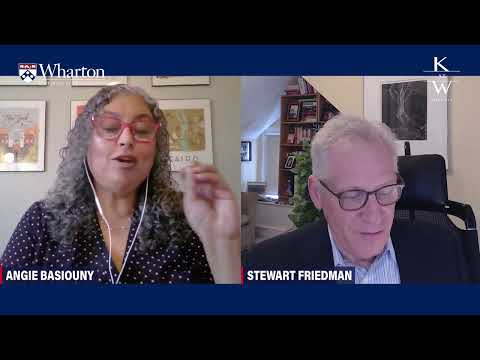
- we're here today with Stu fredman professor at Wharton and author of the new book baby bust new choices for men
- and women in work and family welcome Stu thanks Jeff it's great to be here it's great to be uh here with you again and
- in this conversation that's been going on for for decades but is really highlighted I think in the discussions
- uh happening today in this new book of yours you raised some provocative issues about work and family MH uh for today's
- students and also for uh Generations it joins a conversation uh that's been going on for
- a long time and you know recently we've seen comments from Amry Slaughter from Cheryl Sandberg uh the actions of
- Marissa Meyer what as I read this book I really felt like you were compelled to write it sort of what compels you on
- this topic well uh there's a both a personal reason and a professional one I originally got into this topic area when
- my first son was born Now 26 years ago and uh when I met him for the first time I was uh overwhelmed by this question
- that I just couldn't get out of my head and that was what am I going to do to make the world a safe place for him to
- grow up in which was a question that I hadn't really thought much about before I met him um but I couldn't stop
- thinking about it and so when I got back into my Wharton classroom about a week or so later later um I I frame the
- question in a slightly different way for the students uh future Business Leaders
- of the world how are you thinking about the development not so much of talent in
- the Next Generation but of people uh and what does that mean for you professionally as well as personally in
- your own life and how are you going to figure out how to do that in in your own world and and that created quite a stir
- in the class because first of all they had prepared a case on motivation and reward systems and I had put that aside
- for the day and they weren't very happy about that but uh some people were quite
- upset about the fact that I was talking about family and kids uh others were upset because they didn't really want to
- hear about my personal life uh but quite a few were really grateful and interested in the questions that I was
- challenging them with as I just started to rant on this issue completely unprepared uh
- and they turned the question around to me and said well you know I don't know what to do why don't you tell us since
- you're the professor right uh and so that began a conversation that's now been going on for almost three decades
- now uh that I've had with students alumni and Business Leaders government officials all over the world so it
- started as a as a very personal question for me uh but it very soon became one that I could see uh was was important to
- my students uh to our school uh and to our our businesses and our society and so I I began a research program to try
- to answer some of those questions that's fantastic and and I I can absolutely relate we think about uh our own lives
- as professionals but also as parents you know and I I know I sit across from you
- as a father myself um you're a father you have uh you have two sons and a daughter and so this this isn't just an
- mic exercise definitely not it's very personal who do you really hope reads this book um and who might it be
- difficult for well so one of the things that we started to do with the Wharton work life integration project which we
- started in 1991 was to survey uh students and alumni so uh the class of 1992 undergrads we asked almost
- all of them responded to hundreds of questions about their lives their careers their values their aspirations
- their hopes their dreams um and that became the the basis for this book uh when 20 years later uh we asked the same
- questions of the class of 2012 and went to explore what we could discover about how things have
- changed um and what just popped off the the screen as we were looking at the initial findings was this this result uh
- in response to the question do you plan to have or adopt children yes probably not sure probably not or no in 1992 78%
- said yes in 2012 42% said yes yeah I scratched my head and thought is can that be right and it was uh so then the
- question was why and that's what the book tells the story of is is why that has uh changed so much the interest in
- having children or planning to have children and uh how it's different for men and for women and so as you pointed
- out at the start the conversation has changed new voices have entered the conversation there are new Norms
- evolving among young people and senior people about how to integrate the different parts of life in a way that
- work when I first started asking these questions it was it was very strange to be a man asking questions about work and
- family it was almost all women uh you know exploring that question but being a man at
- Wharton uh talking about families and kids it uh it made me kind of uh different and strange and so I got a lot
- of attention as a result just because of you know who I was not so much what I was doing but uh in terms of the quality
- of it uh and and that brought um a lot of interest in what we were doing here at Wharton and and it's it's something
- that uh you know the school um is was highly supportive of uh and being in the Vanguard of of uh interest in this topic
- now how is it that uh that that it's become difficult for some people to talk about I think the the most challenging
- audience uh or the most challenged audience would be uh Business Leaders and and social policy uh makers because
- what's what we observe in the data is that people's attitudes and values have changed but our our social institutions
- and our government policies and our business practices haven't they are still built around a model of family
- that has a single earner uh with with a mom at home taking care of the kids and that's just not the norm anymore so I
- think it's most challenging for those people who have uh you know the most responsibility for thinking about the
- direction of those of those institutions um so the the really striking statistic
- that you know you open the book with and you talk about um this big decline in the percentage of people who you know
- percentage of our undergraduate students who want to have children or are sure they're going to have children um is
- there a gender difference in that response no no it's exactly the same for men and women so so 78 79% men and women
- 92 and then 42 43% for men and women in in 2012 I'd like to dig into some of the
- findings yeah right and what you really discovered about men and about women from from your surveys and your
- conversations one of the things that you note is that you're really seeing a change in life priorities among men can
- you describe what that what that change looks like over these last 20 years uh men are somewhat more focused
- on career and a little bit less on family and that's that's the general Trend there um at the same time more men
- who are interested in becoming fathers are interested in being more involved as fathers uh and they don't see themselves
- as the sole bread winner anymore uh in '92 the Gen xers the men in that era were still of a mindset that
- was pretty traditional uh but today's men we don't see that uh they expect their spouses to
- be full-time engaged in careers uh they also expect to be working a lot more hours men and women
- so the the average number of expected hours per week has gone from 58 hours per week in ' 92 to 72 in 2012 that's 14
- hours per week more right uh but most importantly young men today expect more conflict between work and family and
- that's one of the big Inhibitors of their willingness to commit to being parents because uh it it it's they don't
- see how they can do it uh in addition uh the to the extent that they carry a lot
- of student debt that's another factor that um constrains men in their willingness to think about the prospect
- of having children it's not that they don't want it so much although that has gone down some the the the idea of being
- a parent it's how do I make it happen uh in in light of all these uh new pressures sure sure and and you talk in
- the book about students today and I I think this applies to both men and women they don't expect permanence they're
- leaving they're leaving college and going out into the work world uh and they have a different view of career
- paths can you describe that a little bit yeah uh was quite striking uh now this is the generation that were uh in their
- very formative years during 911 uh and that had a profound impact on them and the class of 92 and this came
- through very powerfully in the interviews that we did um but in addition uh as has been noted by many
- people studying uh the millennial generation they are much more mobile uh much less you know committed to
- organizations uh and and this particular class 2012 they entered College uh as is
- the Great Recession hit so their sense of um insecurity about their economic Futures is particularly acute uh and all
- those factors lead them to be um more interested in moving faster uh into career tracks that are going to give
- them security the next question I'd like to ask you is about about women yes so one of the things that really stood out
- to me was this change in perception among young women as they're leaving college that it used to be selfish to
- want a career right and now they feel like it's selfish to want children I mean in the conversations
- that you're having with them um how are they how do they deal with um that kind of perception that kind of sentiment
- well one of the pieces of what I see as good news in this story is that uh more people women and men are willing and
- able to say I don't want to have children and for women I especially I see this as a kind of social progress in
- in human evolution uh every generation prior to the current one uh you know women have been you know normatively
- sanctioned to think of themselves as mothers you know there's almost a a mind March into motherhood through throughout
- history that that question hasn't really been raised today young women are saying
- I don't feel a need to do that got it it's an opening up of choices in some exactly that's why the subtitle is new
- choices uh it's not just new constraints and and this this there's good news in this I think now at the same time there
- are many people who want to have children men and women who because they don't have support from their
- organizations from our society and these are questions I get into in the recommendations um you know can't figure
- out how to make it work uh but then there are those who are choosing not to and for good reasons they don't want it
- and I see this as progress that people are able to choose uh to not become parents because not everybody wants to
- nor should everyone become a parent sure and that that's mirrored as you note in
- the book by um by national Trends as well right about uh the average number of births per family um and and just
- what's happening within population Trends within the country yeah the uh the downward Trend in uh becoming
- parents uh you know over the last 20 years our data kind of reflects National Trends sure all right not just not just
- Wharton students absolutely what what else feels really important to you um about you know we're talking about women
- um for a little bit here what feels really important to you about changing perceptions um for women today versus
- this study 20 years ago women seem to be more realistic about what it's going to take to be successful
- in their lives uh and they're more interested uh according to our study in um friendships in networks and in being
- respected uh in their work and in their lives they're also more interested in doing work that has uh positive social
- value they want to help others uh more than the prior generation and one of the Striking
- findings uh that we observed is that the more uh that you wanted to be engaged in
- providing social value through your work the less likely it was that you would become a mother so it's almost as if uh
- there's a competition between serving the family of humanity versus the family that you might create uh with your own
- children sure and and this links to other work that you've done I mean I know within your book Total leadership
- you think about the self right you think about the family the career and the community so for um for
- men and for women what advice do you have um to move away from an either or mentality either family or career to one
- where you can integrate both of them right so in the uh in the recommendations uh in the book um baby
- bust I address what do we need to do as a society what do we need what organizations need to do and then what
- can individuals do and what we have found with this total leadership program that's also a course here that uh has
- been over subscribed for years now there's a lot of young people who are interested in it and tackling the
- question of what does it mean for me to be real to to clarify what matters most to me in terms of my values my vision of
- the kind of leader I want to become the kind of world I want to create to be whole who are the most important people
- in the different parts of my life and what do they really need for me and how can I serve them well and then to be
- Innovative to be continually experimenting with how things get done and I reserve a special section at the
- end of baby bust for how these uh issues and this method can be used by young men
- who uh I find are very confused uh because there is a we're in a moment in history where uh things are changing and
- changing fast and the models that they grew up with are different than the models that they want to create and so
- the the total leadership approach essentially uh helps you to see what matters most to you and then to figure
- out how to take creative action uh that's within your control uh that helps you to align your actions with your
- values in a way that serves the people around you that you care about sure and what the experiments are that people do
- uh to um to practice and to develop this mindset are uh in pursuit of what I call
- four-way wins small actions that you can take that demonstrably improve your work
- your home your community and yourself and by trying to do that in the laboratory of our course you develop new
- insights about what's possible in terms of how to integrate the different parts of your life in a way that works for all
- of them and by practicing that and seeing what's possible and usually what people discover is that they have more
- control and more um sense of agency and capacity to bring the different parts together they realize that uh that they
- can do that in in you know as they as they grow in in different uh parts of their career different stages of their
- career got it got it thank you thank Youk and one of the things that you talked about within the book um you presented
- this metaphor right which which also resonates to me as I think about establishing managing boundaries
- integrating life you talked about the double dutch metaphor right you can't actually jump two ropes at once um and
- you point to people like Richard Fairbanks from Capital One or John Donahue from eBay um what did you see in
- their lives and in their careers uh that could resonate with today's graduates these are two of many many
- examples that are out there that give a lie to the myth that you have to sacrifice everything in order to be
- successful in your career uh what I have seen time and time and time again in my
- own life and in the people that I study and work with and consult with is that um people are more successful in their
- careers to the extent that they don't divest of the of their lives their families their communities their
- personal lives you mind body and spirit but in fact they are more successful in their careers to the extent that they
- invest in those other parts that there's Mutual gain to be had and these these two executives are just two of many
- examples uh that I've been studying and that I'll be writing about in another book next year that I hope we can talk
- about um uh so but the common myth there is that you have to give up everything and it's just not true now that's not to
- say that you know sacrifices aren't needed and that you know there's there's pain and disappointment of course we all
- face that U but what is possible and what I'm hopeful about and what the results of the baby bust um research
- tells us is that uh because men and women are now more aligned in their views about what it takes to make life
- work uh especially dual career relationships we're seeing a lot more experimentation a lot more working
- together men and women private Public Partnerships in creating models that are different than the ones that you and I
- grew up with uh and uh demonstrate that it it doesn't have to be a zero sum game
- and that uh there are different models of career and of family that can work um but it's a long slow process cultural
- change is a slog and it takes years and years and years and years and it happens
- in part through the stories that we tell right well I want to return and we started this conversation uh and you
- said look policy makers organizational leaders they're some of the folks that you hope are reading the book um and
- that they're also the ones responsible for leading this kind of change that you're talking about uh in the in the
- last chapter of the book you have recommendations yeah um so could you talk about some of those recommendations
- if you're a CEO if you're leading Human Resources practice um how can organizations start to change to support
- um these kinds of four-way winds integrated lives it's such an important question uh
- and and it's not just organizations it's social and educational policy and then it's what individuals can do but for
- organizational leaders uh the key is uh making flexibility real uh and using the
- power of digital Communications technology to enable uh real exibility in terms of where when
- and how work gets done and most importantly today in 2013 to um to make Heroes of the people who are successful
- in in figuring out new models for how to get work done and that is going to help
- us overcome the stigma of flexibility which a number of researchers uh Joan Williams Shelley Carell and others are
- writing about and talking about and demonstrating is still very very real for men and for women uh for for taking
- you know flexible work options it's it's stigmatized in most organizations and you you overcome that you help to
- overcome that by uh demonstrating that uh flexibility works and the best way to do that is to tell individual stories of
- people who are successful in both their work and in the rest of their lives whatever matters most of them whether
- it's family or you know social issues or religious you know whatever it is it's not just about kids um and and that's
- that's that's an important function that that businesses can play in addition to
- providing uh you know flexible uh benefits and other kinds of policies but the real issue is culture and cultural
- change and uh again the models that are promoted as valued will make it E make it easier for um for others to see ah
- well if Jeff can do that well maybe can try that uh so long as it's going to help the company and me so it can't be
- just about me and my kids and my needs and you know my emotional state it's what changes can I make that work well
- for me and for our organization so steu you've you've been at this for for 20 plus years right
- thinking about the work life work life balance the work life integration project that you've LED here at the
- school um this is obvious a topic uh that you are that you're deeply connected to that you're passionate
- about um where does it go from here you mentioned I mean some of the things that
- you'll be doing going forward but where does the research go well one of the things we want to do is to uh mine the
- data that we collected about the class of 1992 to learn more about how they have evolved and how they see their
- futures um and then I'm expecting that in 2032 we'll we'll survey that class uh to see what they're thinking uh and and
- we'll be doing more um you know on going research of of Wharton students in alumni to just continue to track their
- values and their interests in in the different parts of their lives uh what I'm most excited about now is uh tonight
- we are launching uh the student Advisory board for the work life integration project and we've got a couple dozen
- students at all levels in both MBA and undergrad who are really eager to uh help use this research as a platform and
- really as a catalyst for creating a new kind of conversation on our college campus and in other college campuses to
- invite and um inform young men and women to start to talk about what these issues
- mean for them now because it's clear that the sooner uh we engage in real conversation about what our interests
- are uh men and women in shaping and leading the kind of lives we want the much more likely it is that uh that
- those dreams will be f F filled because no one's going to hand it to these kids they're going to have to forge it
- themselves they're going to need our help uh and I think it starts with uh with dialogue informed by research
- [Music]
Brief Summary
Stu Friedman discusses changing attitudes toward parenthood and work-life integration in his new book, "Baby Bust."
Key points
- The Baby Bust Phenomenon. A significant decline in the desire to have children among young adults is explored.
- Changing Perspectives on Parenthood. Young women now feel it's selfish to want children, reflecting a shift in societal norms.
- Flexibility in the Workplace. Organizations must embrace flexibility to support integrated lives for employees.
- Launching Student Advisory Board. A new initiative to engage students in work-life integration discussions.
Episode highlights
- The Baby Bust PhenomenonA significant decline in the desire to have children among young adults is explored.“In 1992, 78% said yes to having children; in 2012, only 42% did.”4:40Oct 31, 2013
- Changing Perspectives on ParenthoodYoung women now feel it's selfish to want children, reflecting a shift in societal norms.“More women are willing to say, 'I don’t want to have children.'”11:07Oct 31, 2013
- Flexibility in the WorkplaceOrganizations must embrace flexibility to support integrated lives for employees.“Making flexibility real is key for organizational leaders.”19:49Oct 31, 2013
- Launching Student Advisory BoardA new initiative to engage students in work-life integration discussions.“We are launching the student Advisory board for the work life integration project.”22:41Oct 31, 2013
Tension
40/ 100Low tension