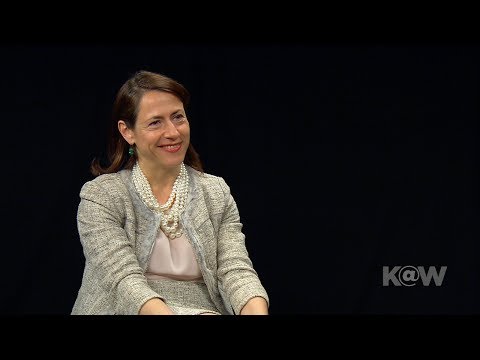
Right-sizing Support Functions Part 1
Ask about Knowledge at Wharton
Episode Description
📂 Management
Read the full transcriptHide the full transcript
- i want to welcome reinhard mesenbach he's a partner and managing director at the boston consulting group also
- known as pcg and he's an expert in cost and efficiency and he's going to talk to us today about
- that and especially about getting cost more costs removed and efficiencies in the support function of of
- organizations uh thank you for joining us today thanks for coming to philadelphia it's a
- pleasure to be with you steve you're also a co-author of a piece of bcg research a recent piece that's
- called beyond cost cutting and uh i want to ask you about that the cost and efficiency uh it's been the
- focus for many companies in in this long downturn and yet it seems like some of them still haven't
- gotten it right so could you talk generally about that that there's still a lot that companies haven't learned yet
- yeah i think when we when we look at uh cost issues for companies what we typically find is that there is
- reasons and and scope well beyond cost that need to be addressed so what do i mean by that when when we
- think of cost uh it's basically a resource people or anything you procure and you put it to some sort of use so
- beyond making sure you get it at a right cost level you also need to make sure you use it to
- the appropriate sense that you want to achieve and what we often find especially in
- support functions and that's the focus of this paper is that this this letter question what
- do you get from your support function is a terrible difficult one because people do not see anything
- really being produced by these support functions and hence you can look at the cost of
- them and often you find these efforts which we call a cut and cope so you reduce
- and then somehow hope people will do something sensible afterwards but very often you find that people
- don't spend much time and thinking around what do these people and what should they be doing
- and therefore give the support functions a different kind of role within an enterprise it's interesting
- because support function by definition the word support suggests it's not central to the company right it's a
- support function and yet your your study and a lot of your work is is based around the idea that that's
- you're really missing something if you think of it that way um so could you talk about why
- the support functions are in your opinion far more important than most people give it credit for so
- the reasons why we think our support functions are critical and and that's also what evidence shows us
- is they're first and foremost they're close to the decision makers so board members typically
- exercise power over the organization via support functions and that being hr finance
- controlling procurement so why are running for example a budgeting process with controlling
- you exercise power over all your production facilities or your monthly reporting
- so there are the support functions in that sense they're basically brain and nervous system
- of an organization and help you to steer it and hence they're not just a cost bucket
- and albeit often a small one compared to uh procuring large machinery or raw materials
- but they are they're elemental for both the culture you have in an organization and also the way the whole organization
- is run you mentioned what some of the support functions are it might be good to define what
- define the functions yeah so well and they're a you know it's a it's a difficult uh term to define
- because support means different things in different industries just maybe picking
- one uh in the banking industry a risk function monitoring credit risk and and is is really closely embedded in the
- business or at least it should be while uh the same applies in an oil producing company
- but if you are if you for example you're you're selling uh paper then risk doesn't really come that close enter and
- then it becomes more of a support function than a core business function so we have i think the the typical
- functions that we always see is hr finance controlling legal strategy business development
- and then there's some more let's say special ones like compliance or risk investment
- procurement which have a have a bit of a business speciality to them depending on
- the industry you're in and then within them we find different different roles they actually do so for
- example let's say in hr you have something which is quite strategic like setting the leadership training
- program or recruiting the right leaders and developing them and then you have some
- very transactional activities and roles like payroll for example so again these support functions then have
- to live these double lives of being on the one hand a driver of the business and the business agenda of the senior
- management while on the other hand doing some transactional things cheap and to high quality standards
- you mentioned finance as being a support function some might think that finance was a core
- function so maybe we could drill down into that idea of what a support function is a little bit more
- okay let me uh give you another way of defining this when we are when we define support
- functions what we are typically including there is anything that doesn't have direct
- client interaction so finance interacts with other departments be it sales or procurement but it typically
- doesn't interact with the real customers of a company and these parts of a company that basically
- lie within the company and help to run it that's what we call support functions what key issues do you
- tend to see around your clients when it comes to support functions on a strategic level what we often see is
- sir that there's a difference between what the what the enterprise actually tries to
- achieve the company and what these support functions are delivering so one of the core question
- is what role should a support function actually exercise should it be for example be the driver
- of the business or should it provide numbers to stay with the finance example and depending on
- that role that you give your finance department you have a very different setup and you have probably different
- distribution of resources between the finance function and the actual production facilities
- and you have a completely different governance so if you have a center function in finance that is
- driving the business you might have a finance committee that's chaired by finance
- well if you have a very strong production areas who are actually using finance as
- a provider of numbers you might not have such a committee and that sort of governance so
- it's crucial to organize based on what you try to achieve so that you have clear understanding of the role
- and the mandate of a support function what do you typically find companies are missing when they look at
- these functions from the strategic level what we often find is that these support functions they evolve and
- develop over time so after several years and maybe after some changes in the environment you find
- that the role that the support function is actually exercising doesn't fit what the company really
- needs so you might have an hr function that is trying to exercise some sort of process control
- in the various businesses while these businesses do not want that and uh what happens so you then
- start to replicate functions so the uh let's say the the recruiting guys from the hr center
- function they try to uh to recruit for the business but the business doesn't want
- them to recruit for them so they build their own people and their then hr tries to put a layer
- on this and for example creates a recruitment board so then the business needs to uh employ
- people the business line to actually provide data for that recruitment board and and support it and over time
- you actually create complex structures which all come from not discussing what the real role of hr
- should be should they provide that sort of support or should they not and if you do not align this you create
- inefficiencies this uh special thing about the support functions is that you do not see these
- inefficiencies or we might call it waste in lean you don't see this lying around on the shop floor so after
- some time you just people find themselves complaining about complex processes long time to decision endless amounts of
- alignment which they've all created themselves but they don't remember what actually
- led to that sort of situation and that's what they find themselves in and in order to overcome it
- they typically build another layer on top of it another governance another committee another person who handles and
- provides more data and that usually escalates the problem rather than solve it that's at the more strategic level what
- about at a tactical level what kinds of mistakes do you see going on okay well we are let's assume the
- the actual mission of our support function and uh the leadership's idea of what they
- should do that's aligned and then the next step is to operate in the right structures and processes
- and so we have to first of all look at typically we look at structures and structures we mean two things one is
- the organizational the org chart how many layers do you have and and thereby how fast does information flow
- up and down in the organization and how distributed is it across boxes what do you lump together so to ensure
- a flow of information the other part that's also important is what's your your actual relation to the
- businesses give you an example uh we worked with a client where we found that the businesses were very self
- mandating so they were doing basically all hr work in the hr department themselves
- so they had their own hr people they did people development training recruiting and so on
- so after discussing this they decided that it would make much more sense to do some very
- operational things like shift planning at the place where it really needs to happen in the sites but to
- bundle uh the more general things like training via the hr department but have the
- people still sit where they were originally sitting so getting the governance and the location
- of the people right so that you both have effects of bundling things but at the same time you are close to the business
- where you need to be close to the business as a second step processes and service
- levels need to be aligned what do we mean by that it's important to have a discussion around
- how often do you need something how big does it have to be how deep and how well
- explained so a typical thing where this where this happens is and goes overboard our reports we we
- tend to find many many reports none of them are made with bad intentions but they typically
- after some time the reason why you create a report and the fact that you create a report
- they don't match anymore so for example we are a few years back we are we helped an energy company in in
- germany and that was in the 2000s and they were still producing a report for the allied
- forces which have left many years back yeah and it's not that they didn't know history
- it was basically they were produced at the report someone found it useful and it became
- it got a life of its own and after her time it was still existing so looking at for example the list of
- reports understanding who does really need it how often do you need it how deep does it have to be
- you can cut it down and thereby also install interaction between those who are provide a service and those who actually
- use it and thereby have a discussion which you often find doesn't exist you also write about in
- the study and and talk about elsewhere the idea of complex historically grown structures
- that that just grow up and keep going similar to the report example that you use
- later and then there's no feedback loop with customers to to get things aligned and on track could
- you talk about that whole idea now we i think first of all it's important to mention
- no one creates inefficiencies on purpose so these things grow over time and what we find is that one of the typical
- mechanisms if something happens we we add things so that's also one of the reasons why it's so difficult to
- overcome it when you discuss with with the head of risk whether he needs another person to
- fulfill some sort of bank of england's new regulation kind of report you can't win because obviously this
- report is required otherwise the bank will close so having a discussion around priorities of all the other
- things that you're actually doing in your department and then finding out could we leave something out could we do
- something more efficient is a different way of tackling these things and historically what we find is that people
- usually don't have these sort of discussions you don't have a discussion between someone
- who's doing something and their internal customers in a structured way you are you have discussions when a need
- comes up that someone raises their hand and say i need more resource another person another building another
- machinery whatever because there's something and then you have a very small tight area in which you discuss
- and in which you always tend to lose if you try to win it a customer of mine said it's easier to
- send a camel through a small hole in a needle than to get a forklift out of the budget
- in one of our factories and that's because once you discuss the forklift people will come to you and say
- everything will break down if we don't have the forklift and we can't deliver to china anymore and so on and so forth
- but you don't have a discussion about priorities and would there be something else we could
- do and decommission and thereby actually fund the forklift so this what can we do instead what are our
- total priorities how do we use our all of our resource best that's a discussion we often find is missing
- and that enables a lean but also a focused center and support function that do things that
- their customers actually desire and want them to do you bring up this specific point of not having a proper
- feedback loop around this issue could you talk about that what's often difficult for support
- functions is that they don't have someone who is giving them orders or who demands things from them
- so they are they tend to self-mandate themselves so all of a sudden you find in your inbox
- an email from someone who says we have now delivered and developed a new training manual
- for something or a new training course or a new procurement process and so on you and
- people ask themselves where is this coming from who asked for it and why is it useful so these questions
- tend not to be raised and the the actual support function is self-mandating and and thereby creating in in all honesty
- they're trying to do the best for the company but they might often so best intention
- is often the worst action and and therefore what's really critical is to have a feedback loop between those
- who are create a service like a new procurement process and those who are on the receiving end
- and who actually have to live with it so there are decisions taken whether the the whole element to which you do
- this the whole complexity is actually serving a purpose or not and then in worst case you can
- escalate this to your board members for them to decide whether you want to have more
- clarity and crisper procurement process to stay in this example or you want to have leaner smoother more
- flexible ways of procuring things and you can take that decision and based on a discussion
- rather than the opinion of one unit which is basically creating their own work one obvious question is why don't
- companies fix this they they don't see it what's what's the problem sounds like there's a there's a lot of
- issues that's they should be seeing some of them one would think i think that takes us to
- some sort of uh specialities or of human behavior i think after living in a complex process for a
- while people tend to live with it and manage within a process rather than stepping out of it and trying to fix it
- so what we find if we often find is that uh if something doesn't work people tend to put extra resource on top
- of it or another governance layer in order to to fix it so if you're if you're budgeting process
- creates strange numbers people basically extend the whole process and put maybe some extra
- checkpoints into it and a budgeting governance body in order to run it rather than step back
- and say something doesn't work here we need to do it differently but we still need to stay
- lean so you you often find that there's extra control if something doesn't work rather than
- fixing the original problem and again this is not because people are stupid but because they come out of an
- environment they are used to and so their solutions are typically fitting the environment they find
- themselves in and one of the one of the core elements to uh to overcome this especially in
- companies and you mentioned it at the beginning some have gone through one two rounds of cost reduction or cost
- optimization is really to change uh the uh the whole setting in which such discussions happen
- you need to help people to find a reason why now it's possible to do things differently
- so think differently about the whole way of how we run things think differently about the whole amount of services we
- provide the service levels we provide the way we interact and that is often the difficult thing
- how do you really break this up so you have a discussion which is free of historical other
- discussions that have happened in the past and thereby allow to really radically
- transform the support functions and thereby then also indirectly the rest of the
- organization you
Brief Summary
Reinhard Mesenbach discusses the critical role of support functions in organizations and common inefficiencies they face.
Key points
- The Importance of Support Functions. Support functions are critical to an organization’s success, acting as its brain and nervous system.
- Inefficiencies in Support Functions. Mesenbach explains how support functions can create inefficiencies without proper feedback loops.
Episode highlights
- The Importance of Support FunctionsSupport functions are critical to an organization’s success, acting as its brain and nervous system.“Support functions are elemental for both the culture and the way the whole organization is run.”3:46Sep 25, 2014
- Inefficiencies in Support FunctionsMesenbach explains how support functions can create inefficiencies without proper feedback loops.“Best intention is often the worst action.”16:52Sep 25, 2014
Tension
40/ 100Low tension