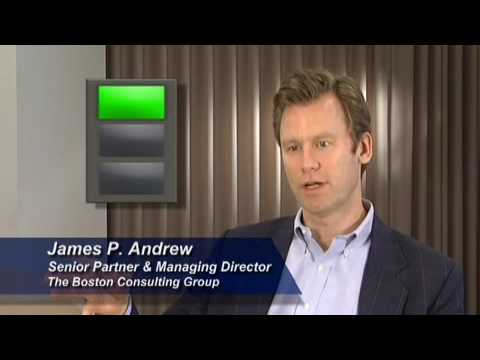
Rightsizing Support Functions Part 2
Ask about Knowledge at Wharton
Episode Description
📂 Management
Read the full transcriptHide the full transcript
- can you give an example of a company that managed to figure that out and then how they went in and change things I can
- give describe one that I feel there it did it extremely well and the so the year the onset was that that there was a
- logistics company and a liner what we call it so transporting large pieces of on huge vessels across the oceans and
- this is a difficult industry and a lot of cost pressure and they basically took out whatever they had in their
- operations or at least they felt they had taken it out and here but it still wasn't good enough and discussions
- around further cost reduction were difficult because people who are arguing I've already taken out ten twenty thirty
- percent of my cost of my people and what then happened was that the CEO said well
- then if that's at the end of where we can get to then we'll change this so i will change the whole environment in
- which we run our companies so they moved from a very localized country by country
- set up and said we will now as of now run it on a global scale certain things will be global enter and there for
- example sales or services or there they also took out all the support functions and drove them on a global scale so let
- now allowed people first of all to have a completely different view and things and end question do we really need this
- on a local level do we really need to have an HR department doing recruiting in germany or is it good enough to do
- that for western europe and thereby have a completely different discussion that previously in the old environment in the
- old governance structures didn't just didn't happen and thereby i think what the what the real success was that there
- wasn't just maybe getting another five percent through a different global structure but it enabled another
- critical questioning of what do we really need where do we move to and how can we how can we change our whole
- delivery model and thereby they actually created another twenty-five percent savings on top of
- what they had done before companies that have been successful overall with this what what what are some of the
- approaches that they took to figure out the right thing to do right in general when you embark on such a journey I
- think the first and foremost critical thing is that you'll understand and agree in your senior leadership what
- your aim for is this another let's say five percent cost take out with keeping everything where it is or are we talking
- about a radical transformation and durand and thereby changing not only what's happening in the support
- functions but also indirectly what's happening in the whole business and and that needs to be discussed first so
- that's all about scope that's about speed how quick do we need to see results how much do we want to see and
- how much do we want to involve the organization so these are critical questions that leadership should ask
- themselves and align on so that later when things start to roll they can actually compare and adjust according to
- the principles they've lied laid out at the beginning so once that's are such a discussions taking place and agree then
- it's important to take stock and really understand where is our starting position where do we actually jump from
- and and then decide how far are we going to move as i said before like a cost target or speed that needs to relate to
- a baseline so you say well I want to take out twenty-five percent of costs over three years and the cost to achieve
- is allowed to be whatever the annual savings then you get a very clear breakdown of what needs to happen over
- what sort of time and thereby also a good understanding of which methodologies which approach can you
- actually use in order to achieve that which is the next step so we often find her in these discussions that people
- have things in their mind that they want to do like I want to engage the whole organization
- at the same time they want to change the the setup enter and move things to India
- so it will be difficult to involve everyone and ask them whether they want to move their job to India so there are
- certain things which are contradictory and we once you've you've set your mind on certain goals you need to make sure
- that your your approach to achieve them actually fits it that sounds are a bit trivial but you often find that there's
- there's these processes which are in terms of engagement in terms of duration in terms of swiftness of execution they
- don't match what the original goal of other companies so once you have that plan established what are the next steps
- supposing you are you have set your targets then the next step is to really work on detailed plans to deliver
- against these targets and once these have been are developed it's a rigorous management process of making sure it
- happens enter and there we always sir try to remember our our clients that the key after some stage is not to do your
- change but to arrive at your goal because after some time you can often find in a header I worked with a bank in
- Germany enter they were so stuck on on basically doing a certain change that they forgot to monitor what they
- actually try to achieve enter and before they actually implemented that sort of change they had already arrived
- coastwise at the point where they want it to be and then you can have a discussion whether it's really useful to
- let go of another 300 people or whether you want to do that at another time or not at all so it's always key to keep
- focusing on where you want to get to so at the other end if there's a cost lift up due to other effects inflation
- whatever you adjust your plans so you arrive at at your target and last but not least enter and that's sir I think
- core is to use such a such a drive to foster different kind of thinking a different
- philosophy so the sale of how did you look at cost and thereby make sure you don't have these big programs all the
- time or every two years but you have a continuous discussion around best use of resource as discussed before between
- units so the ones who produce and the ones who take it both on a budgeting level on a quarterly level so you really
- make best use of your enterprise resources especially at the support function level so let me ask you when
- you go into a company as a consultant how do you actually observe that there's an efficiency there what is it you look
- for how do you see it you mentioned that sometimes the waste is invisible it's not like laying around on the shop floor
- we look at it through four lenses well number one is we measure how many resources are attached to certain
- activities so how many HR people do recruiting number two is we look at organizational structures how deep is it
- how spread is it typically you find her that if there are two spread or two deep
- in the organization then they are inefficient number three we look at what do they deliver so what sort of key
- process indicators or key performance indicators do we find how long does something take how long does it take you
- to get your monthly closing how long does it take you to do your budget how long does it take you to actually get
- someone hired if you have an open position and lastly number four we look at the internal way of looking at the
- quality of service what's the feedback that HR gives finance what's the feedback that procurement gives
- controlling about the quality of service the timing the level of service and so on so if you look at those four lenses
- and you evaluate them it gives you a really good picture where the real problems lie enter and how to overcome
- them so could you give an example of a company that that actually did that so we worked with a chemicals company in
- Europe and what we found just taking their finance in their HR function that they had very different
- so the finance function was actually very lean very narrow structured in their in their organization but they
- didn't get involved in any kind of business related needs so they didn't provide the numbers that people needed
- to do sales forecasting due to proper client based budgeting to do proper pricing and so on so they they were not
- lacking on the cost side but they were lacking on the content side what do they deliver on the other end there was the
- HR department who was seen as very receptive they were always there if you require them there they were very
- friendly and but they were inefficient so it took them very long to do anything like a recruiting process took for three
- months shouldn't take longer than six weeks to find the right person they were way too many they were actually twice as
- many than you would assume from an industry benchmark and their structure was complex and complicated so within
- the same company but under different and a different leadership and and with different history you can find very
- different issues that require then different approaches to actually get them into a state of excellence what are
- the most typical inefficiencies in companies on a support function level I think the most most important lever is
- to get the service level discussion between those who provide a service and those who actually take it up going and
- thereby reduce service levels to the right degree so when you look at let's say a total saving range of your savings
- being a hundred percent work and safe you'll probably get about thirty to forty percent of those savings out of
- that specific lever and other levers being getting a structure right getting your processes right getting automation
- going maybe doing some offshoring or getting the services to the right price that all all is usually only about half
- the size of what you get from getting the service levels adjusted to what's really needed by the business for all of
- these things it may vary by industry you could let us know about that but what kind of savings do
- you see with these companies when they take on a program to really go into this deeply and and make changes so what we
- typically I think that our average program which would yield a saving of about twenty-five to thirty percent
- let's on the one hand not being too radical but on the other hand also being a worthwhile to actually engage on the
- discussion whether things need to change or should we just take out for example five percent then you often see people
- just changing mine herb it's not really questioning themselves just doing a little bit on the fringes and trying to
- get everything through the door as previously so twenty five to thirty percent on the cost side and in addition
- I think that the biggest side effect is that you get a different culture of discussing things and thereby quicker
- decisions much quicker decisions to cut decision time by half for example and a lot of better understanding of what the
- other person is actually doing so how do we provide real support as a support function to the business instead of
- being a bureaucratic burden on someone and and so there's a lot of indirect benefits from a process where you engage
- the organization not just the support function but also the the the units that work with those support functions so
- that the intact and develop a new way of working so you have a one-time reduction
- in cost which may continue throughout the years but you've also set up a situation where maybe some of those
- inefficiencies that crept in those layers of complexity are less likely to creep back in executive exactly so what
- you try to do and we will all be in human beings will never fully succeed is to reduce the level of the era of the
- old problems coming back enter that so so structures becoming more complex governance becoming more complex people
- just being added on and thereby creating complex processes and information flows so all of this being trimmed down
- to an acceptable level keeping in mind that for many companies cost is important but cost is only a means to
- actually achieve revenues so they're in the business that might be growing that might be expanding you might acquire
- things so it's important to look at cost enter and these support functions but it's important to look at them in the
- way not only as a cost Center but in way of enabling the other functions to deliver their best what do you find top
- leaders the top team struggles with the most as they approach a program like of cost-cutting like this in my observation
- the biggest issue that we find is it there is little alignment on the actual goals that such a program is is having
- and so the real underlying issues that you try to address they often paste it over by we need to save twenty percent
- and then people trying to push their own agenda indirectly by saying this is in scope this is out of scope we have to do
- this we have to do that but it only comes out over time so misalignment or not existing alignment at the beginning
- think it's the biggest issue that we observe to hinder these on on a senior management level and the second one that
- sir that's key for such a program to to succeed is then to engage over time and not to declare victory when you've
- basically only started to see how it could work so I think the really sticking with it supporting your people
- pushing them but also then a pet on the back where it's required and helpful is extremely it is extremely helpful and
- powerful in order to make such a program a success the companies that get it right what is it that they do
- differently what's their approach there when you get into a company who are who is performing well I think we see two
- elements one is two really open an open arena to discuss core issues on a senior level so they
- discuss that doesn't mean that it's this is basic democracy and everyone can then
- raise their hand and then they take a vote they can still have a very hierarchical decision process but
- there's an open discussion to get the real issues out and then a line on it and then everyone pulls on the same side
- of the rope into the same direction so that's number one and there's a number two is to actually bring that down one
- level deeper into the organization there were three levels where people between various functions intact so to get them
- to a line on what they want to achieve rather than on what they are doing so a goal-oriented thinking process
- goal-oriented and solution-oriented rather than I need to deliver step one two three four and then I hand it over
- that makes difference between a well-functioning company and one that's struggling in your work you've found a
- way to link this cost efficiency drive to shareholder value I'm curious about back and you tell us about that indeed
- what we saw when we looked at it by industry and in various countries it's there's there's a clear correlation
- between a three year total shareholder return enter the change of the air SG&A costs for sales general and Edmund house
- which comes close to our support function definition and there there's a bit of the question of the chicken and
- the egg is it good companies also have good support functions or is it good support functions creating good
- companies but what we believe in is there certainly a correlation between being good and having good support
- functions so whatever position you in aim for good support functions and it will help you drive the rest of the
- company and their bar also the total shareholder return okay thank you thank you for joining us it's been a pleasure
- to be here thanks you
Brief Summary
Corporate efficiency strategies lead to significant cost reductions and improved performance through leadership alignment and global restructuring.
Key points
- Transforming a Logistics Company. A logistics company shifted to a global scale, achieving significant cost savings.
- Efficiency Observations. Consultants look at four lenses to identify inefficiencies in companies.
- The Importance of Leadership Alignment. Senior leadership must agree on goals for successful transformation.
Episode highlights
- Transforming a Logistics CompanyA logistics company shifted to a global scale, achieving significant cost savings.“They created another twenty-five percent savings on top of what they had done before.”2:27Oct 2, 2014
- Efficiency ObservationsConsultants look at four lenses to identify inefficiencies in companies.“We look at it through four lenses.”7:42Oct 2, 2014
- The Importance of Leadership AlignmentSenior leadership must agree on goals for successful transformation.“Misalignment at the beginning is the biggest issue that we observe.”14:50Oct 2, 2014
Tension
45/ 100Some tension