How Lean Services Lead to Lower Costs and Happier Customers
Ask about Knowledge at Wharton
Episode Description
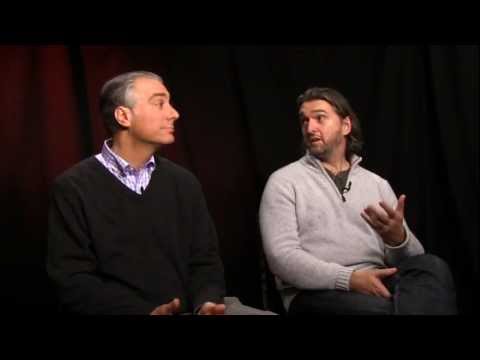
Toyota's lean production system transformed operations in the auto industry by reducing waste and streamlining manufacturing processes. Now these lean principles are being implemented in the service sector and the results have been dramatic: Costs are being slashed and vast improvements have come about in customer service. A variety of organizations, from call centers to hospitals, are discovering the benefits of lean services. Devesh Raj, a partner and managing director at The Boston Consulting Group (BCG), spoke to Knowledge@Wharton about the opportunities and challenges inherent in implementing lean processes within service-centric organizations. 📂 Management
Read the full transcriptHide the full transcript
- [Music] [Music] Dish, thank you so much for joining us today. My pleasure. Thank you for having
- me. Great. So, we're going to talk about lean practices and services. Now ever since the 1950s when Toyota started
- implementing lean manufacturing uh lean has become quite a by word in manufacturing but uh in services it has
- always been a much harder situation. What are some of the reasons for that? Um well maybe let's spend a moment on
- talking about what it is and how lean applies to services and um why people should care. Um as you said rightly lean
- has has had a long history in the manufacturing space. Um in the last decade or two it's become uh much more
- common to see it applied to services. It's the same set of ideas which start with taking a customer perspective on um
- a process and taking out waste from a process. Um it's a little harder in services to do that for a few different
- reasons primarily rooted in one simple fact which is in the manufacturing world um you have a product a physical product
- that's going through a manufacturing process. Um in the services context it's not a product it's actually the customer
- it's a human being that's going through the process which drives a few different
- differences. Um, you know, in the manufacturing context, you the product is typically a widget. You're making the
- same thing a million times over. Um, in the services context, each transaction is slightly different. Um, they're not
- identical and you have to account for that complexity when when looking at that process and thinking about how to
- improve it. Um also in manufacturing um the um process of making the product is usually not um
- visible to the customer. So you could for example have a process that has a high defect rate um but as long as you
- have a QA step at the end that takes out the defects you can get a terrific product to the customer at a great
- price. Uh and that's a perfectly acceptable trade-off. In services however typically in customerf facing
- processes the customer sees everything. So think of yourself standing in line at
- Starbucks. Uh if there's a high error rate in that process or if there's a delay in that process, you experience it
- immediately. There's no covering up for that, right? Um and then a third point I'd highlight is from now from a
- practitioner's perspective looking at a process and trying to improve it. Um in manufacturing waste is very visible. You
- walk into manufacturing plant you will see waste if it exists. You'll see inventory piled up. You'll see defects,
- rejects, um you'll see bottlenecks. If you walk into a services process, typically these days in companies, um
- these are electronic processes. A lot of the workflow is electronic. So you might
- see rows and rows of cubicles with people working away at the process, but you wouldn't see waste physically
- optically. And so you really have to map out the process carefully, understand the facts, um, lay out the value stream
- to try to figure out where the waste it's. So those are a few few of the ways in which you know it's it's different to
- apply lean services and and perhaps a little more subtle. So tish why should companies care about lean services?
- So look, Mul, as you know, we are in a um challenging macroeconomic environment where growth has been difficult for a
- lot of companies and will probably continue to be for the foreseeable future. Competition's quite intense. And
- we're also in an era where um consumer attitudes and perceptions are are changing. Uh consumers and customers
- generally expect high levels of service. They're conditioned by the evolution of
- technology around us. and you know the era of global, social, mobile um and companies have to adapt to
- respond to those needs. They have to be um flexible, adaptive uh you know be able to be responsive to what customers
- are asking for. Um when we actually look at um service processes in companies uh and
- I'd say both customerf facing ones and back office ones, we actually don't find them to be that responsive to the needs
- of customers. They tend to be often slow, errorprone, uh, and lead to c customer
- dissatisfaction. Think about your own experience, let's say, in interacting with your bank or with your telecom
- company or with the health care system um or even with government services. You know, you'll find plenty of areas where
- processes could be a lot more responsive than they are. Um, lean is a set of techniques as you know uh rooted in in
- the manufacturing world which takes a look at processes from a customer's perspective and tries to help take out
- everything that the customer does not feel is value adding is quote waste in the process. And so it can be a very
- powerful lever for companies to um significantly improve both the cost, the efficiency and the effectiveness of of
- their service processes and make them much more responsive to customers needs. Now let let's assume that a company does
- succeed in identifying where the waste is and and and it gets it out of the out of the service uh process. uh what kind
- of impact uh do you have you have you seen companies see on their bottom line? Um we find actually lean efforts can be
- quite transformational. Um we see cost improvements in the range of often a quarter to a third of the cost of the
- process. Um let me give you a a very simple example uh and in how how we actually see this. Um we work a lot with
- telecom clients. If you ever ordered a telecom um service um at home, you know, it takes a long time to get that service
- up and running. Um one of the important steps in um a telco installing a new service is actually the process of
- testing the service before before they turn it up. It turns out actually that they typically test the service in
- almost eight different segments before they turn it up with each one of those tests being um timeconuming and labor
- intensive. Um it actually turns out when you look at the process that um if you replace
- those eight individual steps with one single end to end test the error rates are so low that you're better off making
- that change and uh you you end up getting a a significant improvement in cost in the 30 to 40% range and you cut
- the cycle time by more than half. So um that's an example of you know how you would take out cost using a lean
- lens and actually I emphasize um one additional um lesson from it which is actually a lot of it is about taking
- cost but it's not only about taking cost. It's actually about improving the quality of the interaction with the
- customer. So in that particular example you know reducing the time to install by
- half is actually a huge benefit. you know, you wait less for for that service to be up and running. And lean when done
- right uh is impactful not just in cost. It's actually about whatever the customer deems to be value, which often
- is quality. That's right. So that that's great. That's a huge impact if you see 25 to 30% impact on the bottom line. I
- wonder if we could go back to something you said a little earlier about how difficult it is to standardize uh uh
- things when you look at services. Uh what are some of the challenges involved in standardizing operations in services?
- So you know as we as we talked about a little bit earlier um in in the services context you're not
- producing widgets you're producing a very human customer experience. So you um can tend to break you can tend to
- group your transactions into categories or kind of short list of categories but you can never actually make them fully
- identical. Um and so what I'd say is standardization actually is one lever that tends to get used in lean. There
- are a host of other levers as well. um you know from uh uh reducing unnecessary steps or duplicative steps or
- eliminating rework and handoffs and so on and so forth. Those are all an integral part of lean standardization is
- one part. The the challenge with standardization as I said is you can take it to the nth degree in
- manufacturing. You can only take it so far in services. Could you u give any examples of
- companies that have done an outstanding job in implementing lean services? Certainly I can um give you several
- examples from you know different industries um where we've um uh seen lean in action. Uh let me start maybe
- with um a finance process you know representative I would say of of a lot of back office processes in companies
- like finance HR and IT um accounts payable it's a common process in a lot of companies where you pay invoices to
- the vendors of of the companies um you you typically have a uh large group of people who process these invoices and
- make sure that they can get paid on time and accurately. One of the um issues we
- typically find with those processes and several other transactional processes is
- the issue of variability. It's a classic lean waste unevenness in a process. Uh and we often test it in the following
- way. We create a uh a dummy invoice, an artificially created transaction effectively and send it to 10 different
- operators. So it's the same transaction sent to 10 different people and we repeat that three different times and
- time what level of variability CV across those people and we are very frequently
- stunned by the results. We see 6 to 7x differences in the productivity of the best performer to the low um to the
- weakest performer. Not just 10 or 20% differences but six to seven times. Um, as I said, that's a classic lean waste.
- You shouldn't have that level of variability. And it often happens because people are following different
- practices. They haven't been trained consistently. They're not following the same script. And actually, quite
- importantly, there is often no expectation for how long a transaction should take. Nobody's measuring it. Uh,
- you know, they often measure performance at an aggregate level across the group,
- but individual performance on a transaction is is often not measured and tracked and managed. Um so taking that
- out can be a really significant opportunity. Uh let me take another example um from let's say a retail bank.
- Um you know you I'm sure have made customer support calls to your bank. Uh many processes have um um cyclicality in
- work volume. So the calls to a retail bank will often go up in volume and come down. Um often these peaks are
- predictable. In a retail bank that we've worked with, for example, um the middle
- of the week is when the calls peak. And the peak is actually quite high. It's one and a half to two times the normal
- workload um of that group. And if you don't handle that with extra capacity, you can lengthen the average weight time
- of the call. Customers get frustrated, they drop off, and you know, that's not a great outcome. So um you know often
- operations will handle this by staffing to peak. You keep around enough people so that you can handle the peak load and
- you never miss a beat. But of course those people are not doing much the rest of the days. Um you know a simple idea
- that you would see in lean is the idea of crossraining across different groups to smooth out utilization. So for
- example, you could take the mortgage desk um crossrain them on handling support calls and bring them into
- service whenever the call volume goes up very high. Um and of course they can go
- back to their work you know on on the other days. So again a very simple example that we've you know seen work in
- in the banking space and actually in most customer service operations. Um let me highlight another one from a very
- different industry which is healthcare providers. Um if you've ever been to a hospital u as an inpatient um you'll
- know that um in the hospital's process flow specialized tests like lab tests and blood tests and imaging can often be
- bottlenecks. Um in fact in one hospital client that we worked with if you measure the extra time that patients
- have to stay in the hospital just because of scheduling issues with these tests it's in in the range of 2 to three
- days. So people patients are literally you know stuck at the hospital extra time just because of the scheduling
- challenges around these tech around these tests and the bottlenecks. Um what we found also is that if you improve the
- communication across various departments so that you're not when you're scheduling one of these tests, you're
- passing on more granular information about the criticality of the test for each individual patient, the likely time
- frame of stay. You can actually cut that waiting time in half. So these are pretty meaningful impacts
- you know um three different examples of um cross trainining of improved scheduling and of of um evenness or
- tackling unevenness in a process that you know grew up in the manufacturing world can be but but can be very
- powerful in a services context. Great. So uh let's say a company uh is sold on the idea of implementing clean services.
- They see the benefits. they see the value. Uh uh when they actually try to implement a lean program, what are some
- of the most common obstacles that they face in doing so? Uh and how can these be overcome? I'd say there are, you
- know, three main things um that are that are fairly straightforward and and ones
- we see frequently. Um the first is actually finding where the lean opportunity is. as as we were talking
- earlier um you know lean applied to services is a little different it's a little more subtle and the waste isn't
- quite visible so it's actually feriting out where the waste is happening takes a
- little bit of work getting to the facts you know getting to the value stream and
- so on so that's one just figuring out which processes is the waste in what exactly is the waste and how do you
- tackle it um I'd say a second um very common issue is getting the organization to buy in um getting people to change
- ultimately um service processes are all about people and it's about getting people to
- think differently. It's getting people to um work differently and that's not an easy thing and uh you know there are
- ways to overcome it which is to involve people in the process and make them um feel ownership um over the changes that
- that they should be making. But that's a common challenge that we see. A third one I'd highlight is sustaining the
- changes. Even after lean efforts have been designed and implemented, we often see that it's very hard to sustain the
- improvements. Uh if you don't um monitor, track and um encourage the organization to continue um the change
- and sustain it, there can be a reversion back to to old practices. So I'd say those are a few of the common challenges
- we see. Now you've also identified uh in a report that I I uh saw uh uh some success factors uh that companies need
- to pay attention to if they want to implement uh a lean program. Uh could you take us through a few of those? So
- to start with um I'd say one of the common success factors for a for a strong lean program is getting a really
- good handle on how people spend their time. Believe it or not, actually, if you walk into most service operations,
- it's a simple question. Um, how do your people spend your time? Most service operations actually don't track that
- very well. They may track it at a very macro level in the sense of understanding what accounts do people
- spend time on or what's their attendance level. Uh, but they don't track it down
- to an activity or a transaction level, which is really what you need to do lean effectively and to figure out what's
- value added work versus nonvalue added work. So getting a good handle on how people spend their time is is actually
- quite important and helpful and it doesn't require a big IT solution. It's you know uh often not a complicated
- answer but a simple set of tools that can help you do that. I'd say a second success factor is um very clear um
- measurement and monitoring of success. So very clearly defining what you think success is for the effort. what measures
- or metrics or KPIs would you want to put in place and then actually measuring them and making them transparent. You
- know, back to our earlier conversation, whether it's a cost metric or a quality metric around customer satisfaction or
- turnaround time or net promoter score or or whatever it is that the right metric
- is, but getting transparency around that and ongoing tracking is extremely important.
- I'd say a third um um success factor is for the management of the company and and uh you know the employees to not
- think of lean as a one-time project. Uh it really is a mindset shift. It you know lean starts with the philosophy
- that um processes can always be improved. Everything can always be improved. And
- so while there is typically a one-time step change benefit you get when you first start doing it um you know the
- fundamental principle underlying lean is that it's about continuous improvement.
- It's about changing all the time. It's about improving all the time. So I think going in with that mindset and
- instilling that mindset in the organization I think is another really important success factor. Well it seems
- that that last point you mentioned is very critical. uh but it it almost also seems like one of the most challenging
- and the most difficult. How can companies develop a lean culture? Um it you're absolutely right. It is actually
- one of the most challenging things to do um in any transformation but particularly in in in a lean-like effort
- where where this is the fund you know changing what people do is kind of the fundamental improvement you're making.
- I'd say a few things that we've seen work very well. The first is for the executives um you know to really own the
- transformation and embody the behaviors uh that the transformation requires to really be out there visibly. This is not
- something that you delegate to somebody else. It's not something that a a specific lean group does for you. This
- is something that the executives of the company have to take on as a priority. Own it visibly be out in front on. Um, a
- second thing, um, is to pay really close attention to the human aspects of change. As I said, changing people and
- what they do and their attitudes is not trivial, but actually getting them involved in the lean process and getting
- them to feel a sense of ownership is critical. Lean is about grassroots problem solving. It's about the people
- who are closest to the process thinking about what the improvement should be and
- then owning them and implementing them and seeing you know the results. So paying careful attention to the human
- side of change I think is is another important enabler of of culture change. And I'd say a third common um success
- factor if you will that that we see is communication communication. Communication. It's really important to
- communicate clearly right from the start of the effort um you know with clear objectives a clear platform a rationale
- for why you're doing what you're trying to do in the lean transformation and then you know keeping up the
- communication as you try out various things communicating to the organization what's going on what improvements are
- coming out celebrating successes and wins so people feel good about the change um and bringing the entire
- organization along so they feel part of you know the effort. So le one last question. Let's assume that uh in the
- studio right now in in addition to just the two of us, we had uh the CEOs and chief operating officers of some really
- large services companies. If they want to get started on a lean initiative in their firms, what advice would you give
- them about how to get started? Um I'd say um to start with just first start with a very clear idea of what
- you're trying to do and why you're trying to do it. So clear set of objectives and rationale. Why is lean
- important for them as a company or them as an industry and um what's the target?
- What's the set of targets? What do they want to drive the organization to? Um once you've done that I think then you
- can get into how do you actually tactically launch a lean effort. And typically what we see being effective is
- to take um you know a couple of different parts of the company. It may be a couple of processes. It may be
- business units. It may be geographies um and then um actually pilot um something.
- You know take a process um look at it through a lean lens. try to identify the sources of waste, actually pilot some
- improvements and see what results you get. We find that kind of an approach really helps you contextualize lean to
- your environment uh and build some fact base and a level of confidence that it can work within your company. Once
- you've done that, then I think you have a pretty good platform to launch something pretty broad. Um and you can
- you can then kind of sequence the rest of um the processes or units that you've that you're considering in waves. Uh
- design a clear rollout program or implementation program you know communicate as I said uh and you know
- bring the rest of the company along. Great. Thank you so much for speaking with us today. My pleasure. Thanks for
- having me. [Music]
Brief Summary
Tish discusses lean practices in services, highlighting challenges, benefits, and strategies for successful implementation.
Key points
- The Challenge of Lean in Services. Applying lean practices to services is more complex than in manufacturing due to human factors.
- Transformational Impact of Lean. Lean efforts can lead to significant cost improvements, often between 25-30%.
- Common Obstacles in Lean Implementation. Identifying waste and getting organizational buy-in are key challenges in lean service implementation.
- Starting a Lean Initiative. Begin with clear objectives and rationale for implementing lean in your organization.
- Pilot Improvements. Identify sources of waste and pilot improvements to contextualize lean in your environment.
- Effective Communication. Ensure communication throughout the organization to facilitate the lean transformation.
Episode highlights
- The Challenge of Lean in ServicesApplying lean practices to services is more complex than in manufacturing due to human factors.“It's a little harder in services to do that for a few different reasons.”1:18Feb 22, 2013
- Transformational Impact of LeanLean efforts can lead to significant cost improvements, often between 25-30%.“Lean efforts can be quite transformational.”5:59Feb 22, 2013
- Common Obstacles in Lean ImplementationIdentifying waste and getting organizational buy-in are key challenges in lean service implementation.“Finding where the lean opportunity is takes a little bit of work.”14:50Feb 22, 2013
- Starting a Lean InitiativeBegin with clear objectives and rationale for implementing lean in your organization.“Start with a very clear idea of what you're trying to do.”21:41Feb 22, 2013
- Pilot ImprovementsIdentify sources of waste and pilot improvements to contextualize lean in your environment.“Take a process, look at it through a lean lens.”22:30Feb 22, 2013
- Effective CommunicationEnsure communication throughout the organization to facilitate the lean transformation.“Communicate and bring the rest of the company along.”23:11Feb 22, 2013