South Africa's Role in Africa's Economic Renaissance
Ask about Knowledge at Wharton
Episode Description
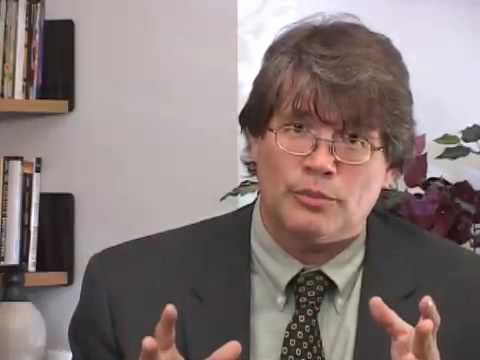
South Africa occupies a unique position on a continent that is undergoing a boom. The country is an economic bridge that pairs Western investors with burgeoning business opportunities in sub-Saharan Africa, and it also is a source of ideas for other developing countries eager to learn how a fledgling democracy can work in the wake of a trying past. Knowledge@Wharton spoke with South Africa's ambassador to the United States, Ebrahim Rasool, about the economic strength of the region, its challenges and the common cause South Africa shares with other countries.
Read the full transcriptHide the full transcript
- [Music] [Music] we're speaking today with Ibrahim rasul who is South Africa's ambassador to the
- United States thank you for joining us today oh thanks very much it's a great pleasure Mr rul has been A Member of
- Parliament a special adviser to the state president of the Republic he's been a premier of the Western Cape
- Province and has served in numerous top cabinet positions including heading up Finance Economic Development Health and
- Welfare he was also deeply involved in the anti-apartheid movement from the time he was in high school and spent
- time in prison and under house arrest in connection with those activities so quite a varied background thanks for
- joining us again uh I want to start our discussion by speaking about the South African economy uh it's performed fairly
- strongly uh post Global financial crisis as has sub Sahara Africa in general um and I wonder if you could talk about um
- why it's done so well and what the Outlook is for the next couple of years no I think that um the South
- African economy has performed far better than many of the oecd countries and largely I I think it's because our
- banking system has been a very robust and strong banking system it had a strong regulatory environment it did not
- lend money did not have and so I think that we felt some of the aftershocks from having been fairly integrated into
- Western economies but we did not go into free fall and so our growth rate came down from about 5% on average down to
- just about 3% and slightly low it's not where we want to be but I think that um where we could have been um we are
- fairly happy that we have settled at about 3% and rebuilding from from that point we did have problems with
- unemployment especially as Western countries including American corporations so we we had those aftershocks but we
- did not suffer the main recession um it it sounds as if your economy may have reacted uh in some ways
- similar to the way that let's say Canada's economy reacted where again the banking system was not involved in as
- many of of the kinds of Investments as let's say the European Banks and the American Banks were so they were
- somewhat isolated and then there's perhaps another parallel which is that um they were then well positioned to
- benefit from from a great demand in Commodities oil and and but also minerals and so forth could you could
- you talk about that a little bit Yeah know I think that um particularly um we maintained a flow of exports of in South
- Africa's case mineral production um agricultural products and a range of other um products that we have like
- Automotive components um and fairly sophisticated um transaction issues that South Africa has slowly but surely built
- up since aparted and we found ourselves in a space where there was a greater demand for those kind of goods and um
- certainly I think um that has created a robust underpinning to our economy and we're happy to see that that has endured
- all the vicissitudes of the post 2008 period the World Bank um projections for ecomic growth for sub Sahara Africa in
- general are are very strong over the next two years somewhere between 5 and 6 and a half% I believe u climbing as as
- you get towards the end of that two-year period uh for South Africa it's also pretty strong uh I think three and a
- half to 5% but slightly down from sub Sahara as as a whole if you if you take South Africa out of the subsaharan
- growth effort um sub Sahara Africa is growing largely I think on the back of of oil and other Commodities um being
- sold to to largely to China but other parts of Asia which have of course done better through through the crisis uh do
- you see South Africa Rising up up to the level of growth that the subsaharan African
- region has reached in general just a couple of points behind which might surprise some people um but um but I
- think that the country has a lot of plans for attracting foreign direct investment and so forth yeah no the
- difference between say South Africa and many other count in subsaharan Africa is
- that we have a far more Diversified economy a far more industrialized economy we manufacture a lot more things
- with our raw materials and that's what we try to get onto a market and there we're heading into great competition
- because suddenly excess production in the United States creates a glut there's a price um differential that then takes
- place and so South Africa has to be at its competitive best with its products onto the global market whereas um
- selling oil to the world economy selling cash crops to the world economy selling
- gas to the world economy can have a massive spike in your growth rates and um give you a sense of Greater GDP but I
- think that if we were to choose South Africa would choose its diversified manufacturing base um a lot more over
- just a single product like gold as we had before relied on that as a main export we now are fairly happy that
- we've Diversified of that base and are servicing a world economy the difficulty is that in servicing that world economy
- with manufactured goods you run into heavy competitive headwinds from your traditional industrial Powers while
- while Global demand is still at at a fairly low AB at least I think that that for we we are seeing that that is
- probably the Crux of the global economic problem it is that aggregate demand is down and that is why South Africa's
- trade and investment strategy is Shifting far more towards Africa because for the whole world Africa represents a
- Last Frontier of a market in which there's a burgeoning middle class it's requiring
- um Commodities it's a consumer it's a growing consumer market and so South Africa's um diversify in its
- traditional destinations for for trade into Africa itself and that's the advice that we're for example giving to the
- United States to get out of a protectionist mindset to get out of a closed economy mindset to get out of
- Siege mentality and to see the burgeoning African Market as the Salvation even or the point at which
- they can Kickstart the US economy back into life 300 million people requiring both capital goods and white goods
- that's where the US should be focusing its attention towards that's where it should be investing in to develop the
- productive capacity that's why it should not even consider um ending um the African growth and opportunities act
- because the more liquidity it creates back in Africa the more it fuels this middle class's demand for goods and
- that's the way we believe um you overcome the Crux of the problem which is a decline in aggregate demand in the
- world for people who aren't paying close attention they they might be surprised to learn for example that in subsaharan
- Africa there were 40,000 cell phones sold last year so talk about a burgeoning middle class I mean that's
- that that's a perfect measure right there I mean 40,000 cell phones 40 million 40 million would be what is sold
- in a day that's what I I think 40 million is is just the power of the technological capabil that
- I think Africa is beginning to Hon us um you talked about this this um competitiveness that that you're facing
- growing competitiveness have you struggled can you tell me a little bit about what's the recent history of
- currency uh differential between say the US and and your currency or or or with the Euro for
- example I think that we've had a fairly comfortable relationship with the US currency the dollar Rand um exchange
- rate when we were in the order of 7 and a half Rand to the dollar the weakening of the
- dollar has strengthened the Rand and that has increased the competitive headwinds against us because suddenly
- we're having to export things into the world economy at a stronger Rand rate whereas our competitive Advantage was
- that we were not too strong and not too weak in relation to the dollar so dollar
- weakness has been a a a a a problem for economies like South Africa I think Australia faces it um
- currently it affects your exports it affects the cost of your goods and ultimately your competitiveness but it
- is not a problem of our making right I mean Brazil's been very outspoken complaining about that as some some
- other countries um the you were as a premier of the Western Cape Province um as I understand
- it um in large part responsible for luring in some 1 billion US in foreign direct investment uh what was the
- strategy you had there that worked so well can is that model can it be is it being replicated in South Africa in
- general and again can it be replicated throughout um subsaharan Africa I think the strategy is very simple you've got
- to pick winning sectors in your economy and then you've got to understand what are the competitive
- advantages Within those sectors that you're selling and who are the buyers we found for example that in agriculture
- the buyers were going to be your Arab economies your middle eastern economies where food security is a major issue on
- the other hand we realized that in the film sector we were producing films with worldclass facilities in Cape Town we
- were producing films 40% cheaper than in a standard Hollywood production all we needed to do was to
- persuade a group of actors and producers and filmmakers to take the longall flight to Cape Town and once they
- reached there they discovered scenery that have never before been seen on film and so it's really been about
- using winning sectors identifying competitive advantages and then having a marketing strategy led by the premier
- order the governor himself in order to lend The credibility of government handholding through the process of
- investment and the other one that was also property development because we realized that property values um in
- South Africa and particularly in Cape Town yielded 30% returns year on year on your property investment as opposed to a
- global average of 6% even even in a post recession period your yields are between
- 12 and 15% now that's not the story of Cape Town that's the story of Africa the average rate of return on investments in
- Africa is 8% the global average is 3% and the US average is 2% now we realize that in the United
- States there's a lot of unproductive Capital waiting for better days they're not wanting to put it where the yield is
- 2% return there are cultural and other impediments in the US mind that prevents them from
- crossing the Atlantic Pond and finding 8% rates of return now I think that between myself between my hosts the
- subsaharan African Chamber of Commerce our duty is to build courage because the business case is
- apparent we simply have to build courage and hold hands and take us investors over to Africa particularly sub sarn
- Africa match Partnerships with them so that they share risks and be able to help them identify the right kind of
- investment that's the approach that we've taken with public entities like the export import Bank of the United
- States that is now investing heavily in Building 100 um locomotives for South Africa in funding a conventional um
- Power Station energy station um with our public utility escom $6 billion US going
- into that but the result is that for example on the rail building the locomotives there would have been
- General Electric plants that would have had to close lay off workers slow down production Along Comes Africa puts an
- order of 100 locomotives the money is put forward by exm Bank not only does that money return with interest
- it keeps the US industry sticking over that's the virtual cycle that's the logic that we're using now investors of
- course associate higher return with higher risk uh which is makes perfect sense um so what are the myths about
- risk in investing in South Africa or let's say Africa and which challenges or risks are real and how can they be
- managed I think firstly you're dealing with fairly relative terms because we are dealing with fairly good returns in
- Africa it's not excessively high it's just that in the US it's a low now that's the first thing that we've got to
- change in the perception the second thing we've got to understand is and and you don't have to believe me you've got
- to read the McKenzie report the McKenzie report says whatever risks you have to invest in to overcome in Africa is
- mitigated within the first year's return so if you have to put in extra security
- because you're not feeling safe if you have to put in extra insurance because you're not clear about it if you have to
- put in extra banking um um Shore UPS because you're you're uncertain whatever you've put in you more than get back in
- your first year of returns that's the that's the important thing but political risk and risks of violence have reduced
- enormous if we were having this conversation 4 years ago you would have been justified
- in showing me 16 conflict zones across Africa you would be hard pressed to find to fill up the fingers of one hand today
- that's because Africa is reaping the dividends of democracy it's understanding that when you have
- democracy the returns financially and economically are enormous secondly in the past three years you've
- had about 50 safe elections we can point to the one in Kenya that went wrong we can point to the one in the Coto that
- went wrong but the fact is that that was dirty girl four years ago today you're speaking about um safe elections
- president's retiring people in Ghana the split in the election was 5149 the incumbent president who got
- 49 retired that's toer um for for for for for Africa so I think you you've got a diminishing
- political risk you've got democracy dividends coming up but most importantly we are building durable
- institutions of democracy the rule of law and most importantly financial and Economic Institutions that I think give
- predictability to certain situations and that's the reason that today you've got
- 20 if not more over 20 homegrown multinational corporations across Africa with an average
- each um of profit of about3 billion US per anom now that is a partnership before you'd have to come in on your own
- take all the risk on the chin now you've got at over 20 multinationals with whom
- you can partner share the risk with share the input cost with you don't have to do it on your own and that I think is
- the story of Africa and it's told by the McKinzie report it's told by Steven radlet and stalled by JP Morgan and many
- others those corporations that are out there and available for Partnerships many of them are actually right in South
- Africa is that correct I think I think that that is probably for the next decade still going to be the case that
- they're going to use the strong platform that South Africa offers because it's got an enduring democracy it's got a
- justiciable rule of law it's got a global 247 banking system um it's got the infrastructure it's got the massive
- infrastructure it's got the telecomunications connectivity it's got Fiber Optic Cables running from both
- sides of the country um across Africa and the world and so many countries will many companies will locate um their head
- officers in South Africa to take advantage of it and then from their springboard into subsaharan Africa so
- that's uh that's a good argument for attracting investment there's um we're all familiar with the brick countries
- Brazil Russia India China the fast growing large Emerging Market countries there's a new group behind them
- sometimes called the settes and um of which South Africa is one and that includes Colombia Indonesia Vietnam
- Egypt turkey and and South Africa all very different different regions of the world and so forth um considered up in
- commers there's others this is this is one grouping how would you say South Africa is different from those and and
- what advantages might South Africa offer over say Indonesia I think it surprised many that
- South Africa took up membership in bricks because we didn't share India China and Brazil's GDP and growth rates
- um of that kind but the emerging economies in bricks understood that if they wanted to make any Headway in the
- world they needed a strong reliable African partner so not withstanding the differential in GDP growth South Africa
- became a member of of bricks with ketes we are probably in GDP levels um far more on par with other countries in that
- emerging economies um not very extreme um genico efficience between us fairly average U per cap cap income we share
- that we're trying to make transitions from agrarian economy to Industrial economies from extractive economies to
- to to to to knowledge based economies that's what I think we have um in common with us I also think that countries in
- KET um fulfill very strategic geopolitical roles like turkey for example as a bridge between Europe Asia
- and the Middle East South Africa plays much the same kind of role as a full crumb
- um for subsaharan um Africa Indonesia plays that in Southeast Asia and so forth so I think that there are ways in
- which we have far more similarities um in mind and what I think we need is really to aggregate because in the
- global world that we're living in National economies mean nothing you've got to find
- Partners um that share basic characteristics with you if you are going to be able to turn your sales to
- take the best best advantage of global opportunities and Ward of the worst aspects of globalization um in the world
- today there's also many cultural um benefits that come from being in cetes I think if you look at Turkey Indonesia
- South Africa struggling with how do you manage democracy that has to also deal with
- legacies in Turkey of heavy secularism if not secular fundamentalism um Indonesia history of c and bloody South
- Africa is history of apartate so you're also dealing not only with economic globalization you're dealing with a
- globalization of identity as well and identity politics and in the US we should know what the dangers are of
- ignoring identity politics because you can't get mired in wars that you think you can get out of very quickly if you
- don't understand fundamentally that globalization is a double edged sword and I think that that's really why we
- find ourselves in those kind of Partnerships there are some challenges that um that Outsiders considering
- Investments would look at you've had a series of difficult strikes and and labor issues um so how would you how
- would you address you know that issue someone's thinking of investing and say oh but you have this lab labor Strife or
- or maybe there's some other challenges that stand out that they would would need to be modified about what what
- would you tell them on that issue and what other issues would you think um would be important for them to
- understand specifically yeah I think that if you take our Labor Relations for example and that is why I think with
- ketes we have far more e in common because we are all emerging democracies unlike say for example in in in bricks
- where not all of us share some democratic underpinnings oh it's a purely economic Arrangement but in KET
- we're trying to deal with the push and pull of democracy you want to have productive economic growth but you also
- need healthy mechanisms of sharing the country's resources in order not to have tensions between competing groups that
- create a new form of instability within emerging democracies and so you may not face the
- cause that you used to face before you may not face The Civil Wars that you used to face before but social disquiet
- and social inequality becomes the biggest danger that the KET countries would really have to put their minds
- together on how to manage it what we would want to understand is that it's being
- institutionalized in South Africa you've got a bargaining season we know it opens
- in June and it closes by by August that's when all the unions line up to negotiate the next
- increases and it has its Sound and Fury but at the end of the day it's all institutionalized you can manage it and
- the ability to manage and to build in the tensions in society in a constructive way is probably one of the
- biggest lessons that I think those emerging democracies will teach even the established ones because it will find
- antisocial forms in your in your in your established democracy like Britain suddenly out of the blue you have these
- riots and the British government is taken by surprise because it has taken for granted many aspects of its
- democracy and has not kept its finger on the pulse of social inequality growing and identity inequality growing within
- British societies so they will now have to find ways to institutionalize it rather than be caught by surprise and I
- think that this is what what Africa is trying to do in much the same way that we've tried to solve the Kenia problem
- how do you deal with competing El electoral claims um and and and I think that the delicious problems of North
- Africa and the Middle East where people want democracy are shunning U the undesirable elements of fundamentalism
- but also are saying that the current regimes are unsustainable I think it's how we respond
- to these tensions and how do we in institutionalize them but give them vent interesting um could you also
- explain how the uh the broad based black economic empowerment effort is progressing you know you can discuss
- economic empowerment or empowerment in very technical terms in legal terms or in moral
- terms I'd want to put it a lot more scientifically it's like osmosis where you have to have a
- movement of matter from areas of high concentration to areas of low concentration until the organism is in
- equilibrium the objective is to find equilibrium in your Society you cannot sustain in South
- Africa High concentration of wealth in a minority that is colorcoded and high concentrations of poverty in a majority
- that is colorcoded you've got to create active mechanisms for osmosis to take place in order to build in equilibrium
- into South African society now if we understand that then everything else is a matter of
- methodology and black economic empowerment is simply a matter of saying how do we take
- Mining and Ward of the clamor for nationalization by getting greater ownership transferred to black people
- and when we speak about greater ownership we're not speaking about 50% we're not speaking about 100% we're
- speaking about 26% when we speak about management we speak about 26% when we speak about
- employment Equity we're speaking about using National demographics and so the point that I making is that these are
- mechanisms to create the flow of Osmosis in order to bring equilibrium now we understand therefore
- that we can't make our problem the US company problem and so we create the exceptions to the rule that
- your partners who are South African would have to comply with that but we can't simply say let's put a break on
- for example inward investment to South Africa by making onerous osmotic processes their problem
- as well and I think that we we're we we we're getting the debate out of ideological terrain and into practice
- iCal terrain and even investors who come there from countries like the United States later understand that the
- stability of the company depends on how you spread ownership and how you create um participation in the structures of
- that company thank you um one last question uh you your country hosted the World Cup
- in 2010 uh what were the permanent benefits of that and uh what were some of the lessons you
- learned you know sometimes when you have a set of competing priorities school system that isn't
- Optimum a health system that is screaming a road system that is creaking um public servants that want more pay
- infrastructure that is not on par Railway systems that require ports that need to be built and so forth you
- actually need a focus and for South Africa more than the romance of World Cup 2010 was that it provided us with a
- focus and with a guillotin it had to happen by 2010 and so everyone looks at the
- stadiums and the truth of the matter is only two new stadiums were built the other eight were
- upgraded but most importantly it said that if you wanted a rapid rail system you've got to get it
- done by 2010 and today we have a rapid rail system in the most populous part of South Africa if you wanted to redo your
- road systems and get them wider get them and get them longer and connected to the rest of Africa 2010 was
- the deadline if you wanted your airports modernized 2010 was the deadline and all
- our airports are modernized today and they look better than Dallas International um and if you
- wanted your port done in order to bring in passenger liners which would act as floating
- hotels 2010 was the deadline if you wanted to bring your hotel infrastructure from the 20th century
- into the 21st century 2010 was the we've achieved all of that those are permanent
- gains but most importantly on a continent which to the rest of the world they can't distinguish Zimbabwe from
- South Africa somal from Congo Kenya from Egypt it was a GE geography lesson it was a mindblowing experience
- the most visitors who came there were citizens of the United States they spent the most they stayed the longest and
- they enjoyed themselves thoroughly they came with a low threshold how to beat off people who will mug you how to hoard
- of elephants in the road Etc they came with all of those misconceptions in their head they had the most wonderful
- experience they're aren even the world's uh biggest soccer fans they're not but the team did well we were torn in South
- Africa when they played Ghana in The Knockout rounds because our Instinct was that an African team needed to go ahead
- so it was bana bagana versus Obama Obama and um it was such a Pity when the US were eliminated because then the Visa
- indicators of spend in the country began to drop so um the romance of an African
- team going forward versus the money spent by the US fans was a tremendous one but I think it was a mind openening
- experience for people thank you very much for joining us today no thanks very much very much
- great discussion thanks to subs and African chamber for arranging this this is great
- [Music]
Brief Summary
Ibrahim Rasul discusses South Africa's economy, foreign investment strategies, and the lasting impact of the 2010 World Cup.
Key points
- Resilience of South Africa's Economy. Ibrahim Rasul highlights how South Africa's economy has thrived post-global financial crisis, outperforming many OECD countries.
- The Burgeoning African Market. Rasul discusses the potential of Africa's emerging middle class as a key market for investment.
- Political Stability in Africa. Rasul notes the significant reduction in political risks across Africa, enhancing investment opportunities.
- Emerging Democracies and Inequality. Social disquiet and inequality pose significant risks for KET countries.
- Lessons from the 2010 World Cup. The World Cup served as a catalyst for infrastructure improvements in South Africa.
Episode highlights
- Resilience of South Africa's EconomyIbrahim Rasul highlights how South Africa's economy has thrived post-global financial crisis, outperforming many OECD countries.“South Africa's economy has performed far better than many OECD countries.”1:26Aug 31, 2011
- The Burgeoning African MarketRasul discusses the potential of Africa's emerging middle class as a key market for investment.“Africa represents a last frontier of a market with a burgeoning middle class.”6:43Aug 31, 2011
- Political Stability in AfricaRasul notes the significant reduction in political risks across Africa, enhancing investment opportunities.“Political risk and risks of violence have reduced enormously.”15:28Aug 31, 2011
- Emerging Democracies and InequalitySocial disquiet and inequality pose significant risks for KET countries.“The biggest danger is social inequality.”23:35Aug 31, 2011
- Lessons from the 2010 World CupThe World Cup served as a catalyst for infrastructure improvements in South Africa.“2010 was the deadline for modernization.”29:42Aug 31, 2011
Tension
40/ 100Low tension