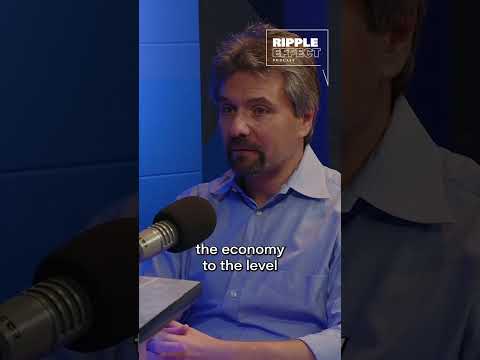
Wharton Professor Peter Cappelli: Has High Unemployment Become Acceptable?
Ask about Knowledge at Wharton
Episode Description
When did 9% -10% unemployment rates become acceptable in the U.S.? Wharton management professor Peter Cappelli takes on the issue. 📂 Finance & Accounting
Read the full transcriptHide the full transcript
- [Music] When did unemployment rates of 9 and a half or 10% in the United States become
- as they seem to have become acceptable? Uh well, I think after they stayed there
- for a little while. It's kind of remarkable how we get used to these things. In the Great Depression, you
- know, people got used to much higher rates of unemployment. 1981 recession, uh, 8% became sort of the new normal
- then for a while. 1990s, the economy roared along and, you know, 4% became the new normal. So, I think you can get
- used to these things reasonably quickly. I think what's maybe a little different
- now in terms of whether this is really acceptable depends entirely on who you ask. But I
- think one of the things going on now is there's a much sharper divide uh in terms of what we think might be done
- about it. So there's a a larger group of uh more vocal folks now who think that there is nothing to be done about the
- current unemployment rate that we just have to wait for the economy to work itself out and that there's particularly
- nothing the government could or should or ought to do. And I think that contributes uh maybe more and faster to
- this idea that it's normal and acceptable. Is there something different about who's
- being affected this time? It's always been workers in the lower paying income brackets who were affected the
- most. Um, but there's some statistics I think that show that that that slant is is even stronger this time and um do do
- you agree with that and what's the cause of that and if so what could be done about it? I think if we roll back the
- clock um after World War II, layoffs were concentrated almost entirely on younger workers uh and almost completely
- on production workers. So if you had a white collar job, you never lost your job because of ups and downs in the
- economy. And if you had a production job, you were in a unionized operation or you're in one that copied the union
- practices, the least senior people got laid off first. So that began to change in 1981. we started to see many more
- white collar layoffs and also increasingly layoffs of more experienced workers. Uh I'd say what's different this time
- around is that you know between 1981 and now we had a pretty uh moderate economic
- environment. Recessions that we had were pretty modest and pretty mild. So I think what's going on now is uh the same
- sort of thing that went on in 1981. Uh and that is lots of white collar workers getting hit and particularly older
- workers with more seniority getting hit. I think in part because they're more expensive. Uh in part because and I'm
- not sure this is right a lot of employers think that younger workers would be better value uh in terms of you
- know replacements. So I think what's a little different now is it looks like uh men are being hit more uh and that's
- because uh the service jobs uh are disproportionately women and employ women and those jobs have been a little
- less hit than the manufacturing production sort of jobs which are disproportionately men. I think that's
- the big change. Uh, I'd say otherwise this recession just looks a little more like 1981 and not like the milder
- recessions we had in between when layoffs were not such a big deal. The period of time that people are being out
- of work for has increased quite a bit. Um, long-term unemployed now account for 46% of total unemployed, which is up
- from 28% just a year ago. So, the longer these folks are out, the rustier their skills become, the more difficult it
- becomes to wedge themselves back into the workforce, especially if they're older. Um, what are the implications of
- of that kind of dynamic, which I don't think we've seen before. Uh, well, I think again this is uh what you see in
- deeper recessions and and I think it's uh particularly a consequence of structural changes. you know, if this
- was just an old-fashioned inventory-driven recession where the economy wears down its inventories and
- then comes back up, um it wouldn't be such a big deal, wouldn't hit so many people, wouldn't hit so deeply, people
- wouldn't be laid off so long. Uh I think what we're starting to see now, you know, with maybe a more global economy
- is that certain sectors go down and stay down. The jobs go overseas, the business
- goes uh to competitors elsewhere, especially in manufacturing. So those jobs never come back. Uh and that's a
- trend that's been underway since about 1981. And you know the consequence of that is
- really horrific, right? In the sense that uh um it's hard for people to retrain uh later in life. It's hard to
- get the skills to retrain. You're competing uh with people who are 22 and don't need a lot of money and sometimes
- are looking for jobs simply to get um experience. you you see an incredible explosion now in internships and
- voluntary internships where people basically work for nothing. Um often this is actually against the law. It
- violates the Fair Labor Standards Act to hire people or to have people do productive work and not pay them. But
- this is pretty widespread and people are doing that just to get experience. And if you're somebody, let's say, who's
- been a production worker all your life and you're trying to be retrained for a service job, um, let's assume the jobs
- actually were there, you're competing against people who are, you know, much younger and don't need as much money,
- uh, who are perhaps better plugged into career management services and things. It's it's really quite difficult. Um and
- that you know doesn't even account for the fact that people who have been out of school for 20 years or so to go back
- to school and to learn a completely different skill set is can be quite a difficult thing to do. So this is quite
- devastating. You know some of these folks who lost their jobs now frankly will never get their jobs back. Uh when
- I say that they will certainly not get their current job back. They're unlikely to get any job that's related to the one
- that they were laid off from back. Uh and so the step down is quite extraordinary. You know, if you were
- like an investment banker or something, you know, and you think about what's the
- next best use of your skills if you can't get employed in that arena anymore, you know, it's not completely obvious
- what the next step down is for you. Uh and for a lot of those folks, it's it's way down. Just to back up a little bit,
- we were talking about policy differences and whether the government should do anything or we just wait for the economy
- to spontaneously recover. Um, is there any way to square that circle? Are there any kind of policy decisions that might
- be acceptable to both sides? Uh, perhaps it's tax credits for hiring people. Um,
- maybe you have some other suggestions. Uh well I I think the you know the dynamic at the moment is the rise of a
- kind of you know anti-government uh um dimension to the politics. Certainly this has always been part of American
- policy debates uh but it seems to be stronger now. And they these arguments basically say that uh you know deficit
- spending doesn't work. Uh they basically say that uh government spending per se won't stimulate the economy. Uh and some
- of these positions are frankly just you know as the extent to which we know about these things simply wrong. You
- know for example the idea that um uh extending unemployment benefits is bad for the economy. Uh some of the
- arguments are these folks you know if you give them unemployment insurance they won't take jobs. Well there's
- certainly something to that but the problem right now is there are no jobs to be had. you know, so it's not like
- you're preventing these people from getting um paid employment. Um and in terms of stimulating the economy, uh
- that's a great way to stimulate the economy because those folks spend virtually every penny that they get in
- unemployment benefits. But you know, the there are folks who have influence on the political spectrum who just don't uh
- accept that position, don't even believe that stimulating the economy is a useful
- thing uh to do. So there's not a lot of middle ground there. I think you know the idea of uh demand uh le expansions
- that is give employers more benefits more tax credits that sort of thing to to hire.
- Uh I think the the problem with that it sounds good to the uh pro business community but when you start thinking
- about it carefully it's quite a difficult thing to pull off. Uh how do you know for example that a new hire uh
- has really come about because of the tax uh policy you know the tax changes are we just getting people who would have
- been hired anyway who are claiming the tax uh credits uh it's very difficult to police that sort of thing the
- possibilities for fraud are actually much bigger than they are I think for uh unemployment insurance so I think part
- of the problem with things which are politically acceptable uh particularly to the sort of anti-government view is
- that the, you know, more of evidence-based view finds most of those things unpalatable and that they don't
- actually work very well. Um, so there's almost no common ground between uh what the sort of progovernment folks would
- find acceptable and what the anti-government folks would find unacceptable. you know, in terms of
- cutting more taxes is always popular with the anti-government folks, but um at the moment uh the budget deficit
- lobbies uh find that unpalatable. So there's just not a lot of common ground. So it sounds like gridlock if it wasn't
- so uh tight of a standoff. um what kind of policies might work in a way that maybe didn't you know run the deficit up
- so much that they become uh self-defeating? Well, you know, I I think at the at the
- moment the the sense uh about why the economy is is not doing better uh is something that uh you know we don't have
- a great answer to because we don't have a lot of experience with situations like
- this. You know, the prevailing view was that after 1981, we had sort of figured out how to manage recessions better. Uh
- there's a push back on that argument now. And the push back is uh to suggest that what really changed was not that we
- got better at managing the economy. What really changed was that companies internally got better at managing their
- inventories. uh and the idea of an inventory recession, you know, where companies
- just build up these stocks of inventories, they got too much sitting around, they don't buy anymore, and then
- the economy goes down. That idea more or less went away because these just in time inventory systems mean you don't
- build up piles of inventory. So, um I'd say the first issue is we don't have a good sense of what's going on uh right
- now with respect to, you know, how to improve the economy. I think there is a sense that you know from uh historical
- research that um things like unemployment insurance payments uh do help they stimulate the economy. Uh I
- think the problem right now I mean certainly my read of the problem is that the problem is still in the financial
- sector and it has to do with uh banks uh and their willingness to make loans. interest rates are at, you know, record
- low levels, but people who are looking for a house, for example, find it extraordinarily difficult to get a
- mortgage. If you get one, you can get it at a great rate. Um, but the banks are so uh concerned about defaults now um
- that it's very difficult to qualify for a mortgage. So, credit is tight as the problem despite the fact that monetary
- policy has made interest rates quite low. uh and we don't actually know how to solve that problem without getting
- deep into the manipulation of the banks themselves. Uh and that probably goes beyond
- um what even the progovernment folks would see as acceptable at the moment or at least know how to traverse it. So
- it's it's a bit of uncharted water, you know, how to make the banks loan or even
- encourage the banks to loan. Pretty tricky undertaking right now. a little closer to home. Um, how was this
- environment affecting MBA graduates such as those from Wharton? Well, I'd say, you know, for our students, uh, it has,
- uh, not been as bad, frankly, for two reasons. One is a historical reason, and that, uh, because they're seen as being
- some ways the top of the pool. Uh, when jobs are available, our folks would would be the ones to get them. and uh
- people having a tougher time are the people further down the the pecking order. Uh but I think that the companies
- that traditionally hire our students, the investment banks and the consulting firms especially who hire big waves of
- MBAs every year, um they made some strategic decisions a few years ago um to make sure that they didn't get stuck
- with a demographic imbalance. So in the 2001 recession for example a lot of companies consulting firms stopped
- hiring and then they discovered three years later that they had no employees with three years of experience and their
- business model is that the third years teach the first years what to do and then the fifth years teach the third
- years what to do and they discovered they had no third year people anymore. They didn't hire two years before. So, I
- think the the bad news is they decided to lay off more people uh in the downturn than they probably needed to uh
- in order to make sure that they could come back even in the downturn and hire uh some people to be firstear associates
- um to smooth out their demographics. So, I'd say this is in some ways has been a
- redistribution of the burden from the new hires uh to the more experienced workers. You see this in law firms to
- some extent too. The people who were in the worst shape often were people with three to five years experience suddenly
- got laid off. Um some of the better students from the better schools uh graduating found it easier to get jobs.
- Thanks very much for chatting with us today. My pleasure.
Brief Summary
Unemployment rates and their normalization, demographic impacts, and policy solutions are discussed in relation to economic recessions.
Key points
- The New Normal of Unemployment. Unemployment rates have become normalized over time, with varying impacts on different demographics.
- Long-Term Unemployment Crisis. The percentage of long-term unemployed has drastically increased, affecting skills and job prospects.
- Job Loss Consequences. Many workers who lost jobs may never return to their previous employment levels.
Episode highlights
- The New Normal of UnemploymentUnemployment rates have become normalized over time, with varying impacts on different demographics.“It's remarkable how we get used to these things.”0:30Jul 21, 2010
- Long-Term Unemployment CrisisThe percentage of long-term unemployed has drastically increased, affecting skills and job prospects.“The longer people are out of work, the rustier their skills become.”4:00Jul 21, 2010
- Job Loss ConsequencesMany workers who lost jobs may never return to their previous employment levels.“Some of these folks who lost their jobs will never get their jobs back.”6:20Jul 21, 2010
Tension
50/ 100Some tension