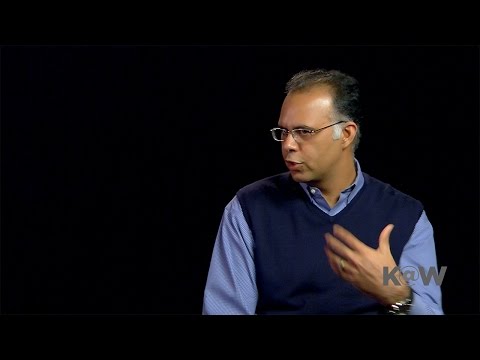
Crowdfunding Commercial Real Estate — the New Disruptor?
Ask about Knowledge at Wharton
Episode Description
Crowdfunding is proving capable of taking on commercial real estate deals under $10 million. Is it just a matter of time before it moves up the ladder and disrupts the whole industry? More: http://knlg.net/1IBWwbP 📂 Finance & Accounting;Real Estate
Read the full transcriptHide the full transcript
- we're joined today by dan miller and he is the co-founder and president of a company called
- fundrise which is a crowdsourcing company in the real estate sector and this is a fairly new idea
- and why don't you tell us about it how it works and how you got involved sure so my brother
- and i launched fundraise in 2010 we're the first crowdfunding platform in the u.s
- initially we built the platform to fund our own real estate transactions so we were
- buying and developing properties in washington dc created the platform to let anybody invest with us in the single
- deal for as little as 100 bucks this is the first crowdfunded transaction and now we fund other real
- estate companies so scaled from doing our own projects to now projects all over the country
- so when people hear that number 100 they're probably thinking a very small scale but it's not necessarily a small
- scale so why don't you tell us what what size the projects are and is it residential
- is it commercial sure it's mostly commercial projects in urban areas about under 30 million so a little below
- institutional scale we're normally providing about two to five million bucks per deal
- three years ago that was three hundred thousand last year it was a couple hundred you know six seven hundred
- thousand so it's growing very quickly and really what crowdfunding allows people to do is
- distribute investments online take a lot of very small investors pool those together into a larger check so
- just because they're small minimums doesn't mean the sum doesn't add up to a large amount so you have
- people you you put a project on your website and you say we want to buy and develop this building
- would you like to invest and you can invest any amount you want i i guess the minimum sounds like it might be 100
- but you get investors up to a million i understand yeah is there an average or a
- mean that makes sense for people to understand about 10 000 10 000 is a good number people think of of
- of what the kind of average investment is and so we source deals we underwrite deals you have offices around the
- country so that process is like traditional real estate sourcing underwriting you
- have people work the markets they meet real estate developers they discuss our platform and then we put the
- deals together the innovative part is putting it on the site and allowing anybody to be part of
- the investment and the investor what is it that they get out of it what kind of return
- why would they want to do that than maybe some other kind of deal what's the advantage to them well that that the
- real value is in that you have technology cutting out middlemen that were direct between investor and real
- estate companies as opposed to having private equity funds or other groups in the middle
- and so that way you're able to have double digit returns for investors which is still the cheaper cost of
- capital for real estate companies so generally we're doing preferred equity investments so
- junior to bank debt in the deal but senior to equity in the deal so it's a kind of high term or high
- fixed deal relatively short term during the transition or development of the real estate asset
- so if someone didn't know your company how would they know that their money was secured that this was a good idea
- or it may be a good idea or or maybe not a good idea they really watch and see so that's what
- we've seen on consumer behavior people sign up for the site they rarely invest in the first 120 days
- they sign on regularly they look at deals they check them out they see that they're raising the funds that they're
- closed and then they invest 5 000 and then they start getting distributions on that deal
- and then they might invest 10 and 25. so we've really seen that type of consumer behavior happen which i think
- is similar what e-commerce was you know the first time you bought something online
- you weren't sure if it was safe to put your credit card in you didn't know when the box was going to arrive
- and now it's instantaneous you know same-day delivery i think similar consumer behavior patterns
- because you're serving them a product they've really never invested in before through a mechanism online that they
- haven't done for that many different types of investments so interestingly you're you have a niche
- here when it comes to the size of projects you're not you're not um investing in or
- developing 200 million dollar office towers you're investing in in a certain size
- project which um those with with large amounts to invest tend to not be interested in so much could you
- explain how that that's really where we begin so with institutional investors they'll rarely
- write a check of less than 10 million of equity and that's not because the deal doesn't
- make sense if it's smaller it's because they have a multi-billion dollar fund they can put it out in so many
- increments if they have a lot of one million dollar investments they won't be able to manage it
- and so it creates this artificial barrier where the small medium enterprise the mid-size real estate operator who's
- established who has a real track record if they bring a deal that's 15 to 20 million dollars of value
- it's very hard for them to get that finance so we plug what technology tends to be efficient at
- is the kind of mid-market space for the the real estate operators and provide them capital to deals that
- are often ignored by institutional investors what kinds of projects have you completed so far we've done
- projects in 15 different markets the highest profile was we raised five million dollars for three world trade
- center we sold five million dollars of the senior bond the senior construction loan
- on that deal we've done about half of our business between dc and new york and just
- launched offices in la and san francisco most of our deals like i said between five to 25 million dollars in deal size
- again we're funding another real estate company they come to us we're funding a portion of that deal
- and most of them are urban areas in transition so buying a apartment building upgrading the units
- then selling and refinancing lots of different types of projects but always in some development or transition
- so in addition to finding investors through the use of technology which wasn't so easy to do before
- the technology allowed for it and finding people who wouldn't have been able to invest this way before you're also you
- mentioned earlier cutting out the middleman so that means you're saying that you're cutting costs
- quite a bit could you explain how that whole cost cutting exercise works how much of
- the cost do you cut out i assume that's a big part of the business model and uh what what
- how how what percentage of the cost you cut out and how does that translate into how these deals work right and and
- that's really the real value that we're able to deliver cheaper capital the real
- estate operator and and better investments to the real estate investors ultimately if
- that's not the value proposition then there is no business here and our comparisons off into a private
- equity fund we charge half a percent per year to the investor to asset management and service
- the investments private equity fund normally charges two percent a year management fee and 20 percent of the
- upside over a preferred return so we kind of use a mock sample deal three year investment
- 12 year 12-year i mean 12 percent annual return we charge one and a half percent over
- those three years a typical private equity fund will charge 8.4 over those three years so it's
- really a huge spread that then gets split between the real estate company and the
- investor so we hear a lot about disruptive technologies and you're just talking about disrupting private equity
- in the real estate space do you think that that's um that's a scalable model that's at least
- in the uh at the level of project that you're talking about which is under 30 million
- roughly although i guess that could change it's going to change i mean i think what
- you've seen in other businesses when you look at digital media blogs twitter facebook they started out relatively
- small and then it became large and institutional so i think where where is the most efficient
- place to start is is the ignored portion of the market that institutions have difficulty
- serving because of their scale but i think it really will shift it's about creating efficiency for private
- commercial real estate transactions it's very inefficient market it's a huge market
- but you have a deal you make some phone calls you try to raise some funding there's not an efficient way to put the
- deal to have it distributed for people to look at it to make investments to have a platform like ours standardize
- it so i think it's going to bring efficiency to all parts of the market it's just going to take
- time to go to different sectors so it's a little bit like an airbnb or an uber where
- you're you're the the i guess the conduit that's connecting the the uh the person with the need uh
- with the person who can fulfill that need and that's uh creating less overhead and that sort of thing is that
- the idea right it the business model is called marketplace lending at this point lending club's the best known ones
- so you have borrowers you have investors you connect the two you also use your own capital to
- guarantee the funding so that you match you make the two stick together and by by creating that standardization
- you have efficiency on both sides so what we've seen is with the decentralized model it can operate much
- more efficiently at much cheaper costs it doesn't have all the centralized infrastructure that
- bank branches have with big offices and corporate overhead and so i think as you see crowdfunding
- get larger and the sums of capital be bigger i think you're really going to see a
- challenging challenge existing banking infrastructure that is very centralized with a lot of overhead and additional
- costs but it's not just bank infrastructure it's not just bank buildings and right and that sort of
- thing but it's also the cost of actually going out and finding investors which is
- i i guess labor intensive and it involves a lot of meetings and lunches and hand-holding and
- you're basically saying that's not necessary anymore at least in projects of this size at least for now
- yes we think of ourselves like an outsourced capital markets division for a lot of these firms
- mid-sized real estate operators they don't have a full-time person on a capital markets desk
- and we're arranging financing we're giving them a sense of what the quotes for different capital is going to be
- we're giving them connection to the investors but we're handling the investor relations the distributions
- the tax documents so it's very much centralizing that role letting the real estate developer focus
- on their jobs sourcing deals developing deals and us managing the entire capital
- raising infrastructure so compared to how it used to be done and what it used to cost to do that
- how does your cost structure compare in other words how much are you cutting out
- right right when you say you're cutting out the middle man what percentage of fees and costs are you cutting
- so generally somebody who syndicates equity will charge three to five percent uh minimum potentially higher for them
- to corral and raise the capital private equity funds will charge two to twenty so you have on the investor side
- at least a five to ten percent fee that the investor indirectly pays or directly
- private reits are another market that's similar for private real estate transactions that's a 15
- up front fee when you enter the investment so you're talking about pretty huge fees that that we think technology
- is going under versus your fee would be what half a percent per year and then we
- charge the borrower one and a half percent at closing um so it's it's for the borrower it's cheaper capital
- for the investors it's more access to investments and also opens up a new part of the market traditionally
- with uh you know with a real estate syndication you're limiting it to people investing 100
- 000 or more and so you're talking about a huge unmet part of the market that hasn't been able
- to invest in single real estate transactions there's something else about this also
- about the the kinds of projects that you do where the people that invest oftentimes will have some connection to
- it maybe it's in their neighborhood or maybe they know somebody that's involved in in
- that building somehow and so they it feels more real to them somehow that's that's where we began i
- mean we were developing urban info projects with leasing to chefs and restaurateurs that
- people knew locally converting old historic buildings that people were very excited about
- and we always had people come and talk to us about you know what are you doing why what are these projects looking like
- and how are they coming out we thought why don't we go out to those investors let them invest in it they might own a
- home in the neighborhood they have already understood the real estate they have a lot of other data around it
- that makes them excited to invest that might not be purely financial but doesn't mean it's wrong and so we just
- did our first project in detroit we're going to raise capital for the old tiger stadium redevelopment
- and in the same way it's old baseball stadium everyone in detroit's been to it they want to be part of revitalizing
- that area and bringing it back and so i think you're seeing what we're able to do is because you're selling
- these investments to retail investors they're buying you know they're buying a product that has more texture
- as opposed to just a 16 ir there's other components that they're able to evaluate
- so how big of a project is that and what percentage of that amount do you think you'll be able to help that project's
- about 30 million um and it's gonna be at 20 equity will raise between a half a million to a
- million um and we now fund with our own balance sheets so we guarantee the funds at
- closing with our own cash and then put it up on the site so it really for the real estate company
- they're not taking the risk of raising the money online that's been one of the big things that shifted that
- we centralize the asset management we centralize the investor reporting and we make sure that the funds are
- there at the appropriate time so this is the part of commercial real estate development
- that's going to be changing big time in your estimation what parts will remain the same there's
- obviously a people element to some of this and so yeah deal sourcing we've seen most of our
- deals come offline for with our kind of regional offices people being in market knowing the neighborhoods meeting
- the developers in person done very few deals where we haven't met the developer or where they originated
- online so we're finding that putting the deals together is a very offline process
- we're finding underwriting due diligence there's certain information needs to be
- collected it has to be ordered from these third-party groups appraisals environmental surveys
- and somebody has to centrally underwrite it two functions that we're looking at there to
- to you know use the people more efficiently is kind of crowdsourcing that aspect where
- if a broker somebody brings us a deal they can upload it and share fees with us or maybe you start to have experts in
- certain markets who underwrite the deal and into the crowd kind of become a credible
- third party group but right now it's us handling all those aspects so i would say the sourcing underwriting
- and closing is very old school it's the distributing the investment the marketing of it online the investor
- reporting that's where we've done it had a fundamental shift thanks very much for joining us thank
- you so much you
Brief Summary
Dan Miller discusses Fundrise's crowdfunding model for real estate investments and its impact on the market.
Key points
- Fundrise: A Crowdfunding Pioneer. Dan Miller shares how Fundrise became the first crowdfunding platform in the U.S. for real estate.
- Investing Made Accessible. Dan explains how crowdfunding allows small investors to pool resources for larger projects.
- Transforming Real Estate Investment. Dan discusses the shift in commercial real estate development and investor engagement.
Episode highlights
- Fundrise: A Crowdfunding PioneerDan Miller shares how Fundrise became the first crowdfunding platform in the U.S. for real estate.“We're the first crowdfunding platform in the U.S.”0:22Apr 22, 2015
- Investing Made AccessibleDan explains how crowdfunding allows small investors to pool resources for larger projects.“Just because they’re small minimums doesn’t mean the sum doesn’t add up.”1:25Apr 22, 2015
- Transforming Real Estate InvestmentDan discusses the shift in commercial real estate development and investor engagement.“This is the part of commercial real estate development that’s going to be changing big time.”12:44Apr 22, 2015
Tension
30/ 100Low tension