What's Behind the Flare-ups in Oil Prices?
Ask about Knowledge at Wharton
Episode Description
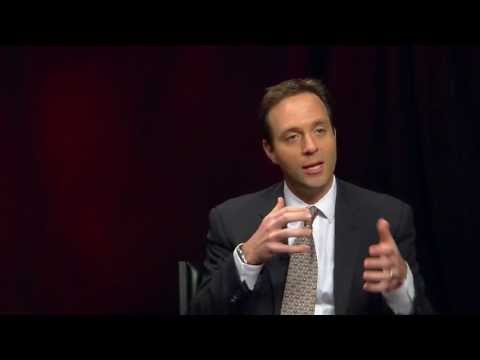
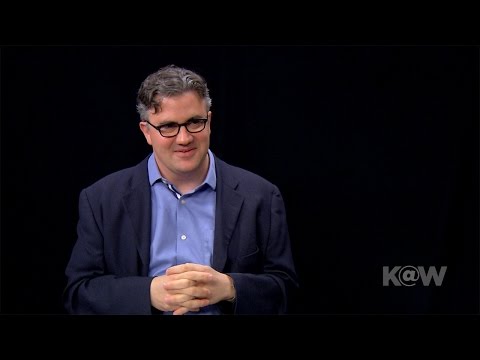
Memorial Day, which marks the beginning of the summer driving season in the U.S., saw gas prices at nearly $4 a gallon all over the country -- and even higher in states such as Florida. Globally, the picture looks more worrisome: Oil prices crossed a record $135 a barrel during the weekend of May 24-25, although by Tuesday prices had come down to $131. What's behind these regular flare-ups in oil prices? What are the major economic and geopolitical factors at work? How does expensive oil affect the U.S. and world markets, and what can we expect over the coming months? Knowledge@Wharton discussed these questions and more with finance professor Jeremy Siegel, author of The Future for Investors, and Witold Henisz, a professor of management.
Read the full transcriptHide the full transcript
- [Music] this podcast is brought to you by knowledge at Warton please visit knowledge. won. up.edu for more
- information Memorial Day which marks the beginning of the summer driving season in the US saw gas prices at nearly $4 a
- gallon all over the country and even higher in states such as Florida globally the picture looks more
- worrisome oil prices crossed a record $135 a barrel dur during the weekend of May 24th though by Tuesday prices had
- come down to $131 what's Behind These regular flare-ups and oil prices what are the
- major economic and geopolitical factors at work how does expensive oil affect the US and world markets and what can we
- expect over the coming months knowledge at Wharton discussed these questions and
- more with Finance Professor Jeremy seagull author of the future for investors and with vold Hennis a
- professor of management as we know oil prices jumped to a record $135 a barrel during this past weekend
- uh do you think they're near the top now and if not how much do you expect them to rise over the rest of the summer I
- think I would be presumptuous to to even uh theorize about whether we're near the
- top I don't think anyone really knows uh it it's my feeling that um even OPEC has
- basically lost control of the price of oil and they're not they're going flat out and I mean that they can push some
- more but not easily um and uh you know given given the demands it it obviously could go much higher and I
- don't think anyone knows I think it's a guess what do you think I think a a guess and a lot of uncertainty is
- certainly accurate there have been discussions recently of $200 a barrel oil the big uncertainties are is there
- more existing capacity in the OPEC nations can they produce it and will any one country go offline um there's a lot
- of uncertainty in African countries Latin American countries about whether they can maintain their production and
- expand it according to existing forecasts we simply don't know the answer to that and the Traders are uh
- trading based on that uncertainty generating the high price of oil today yeah I think uh a lot of people are not
- very sure about what are the major factors uh economic and geopolitical that are really driving the rise of oil
- uh could you help explain that a little bit for our viewers we're in a period of
- tight balance between existing supply and demand which is generating a lot of uncertainty about the future path of
- both of those variables I think the big uncertainties uh that um we have to Grapple with are how much more capacity
- does Saudi Arabia have and how much can they bring online in the short term we simply don't know they don't they
- haven't revised their existing estimates of reserves for some years and we simply
- don't know whether there's those are conservative estimates or whether they can be expanded and that's true in many
- countries throughout Africa and Latin America we don't know what the future capacity uh and reserves levels are yeah
- I I think as I mentioned I don't think there's an easy way to increase Supply or at least significant Supply in in the
- short run I think a lot of it is is economic um it's it's hard to blame speculators because we don't see a lot
- of inventory increase in oil which would be a sign that people are hoarding it uh
- at this point um and I think what is also the psychology is everyone wants a piece of oil because they want to
- protect themselves against oil price in increases so if I own some at least I'll
- have something that'll go up when the price of oil goes up well of course if everyone tries to do that you know it's
- almost like the sky is the limit because uh you know I don't think everyone can protect themselves completely immunize
- themselves uh against this oil increase and that that's what's uh that's what the upper threat is the other side is
- the demand uncertainty how much more will demand in China and India and other countries grow the other side of the
- equation there's also a lot of unknowns right I I saw that George Soros the the bill Aire investor was interviewed by
- one of the British peers over the weekend and and he said that primarily he thought that speculation was
- responsible and uh for for the rise in the price of oil but it sounds like you don't necessarily agree I I think I mean
- there's a fine line between speculation and buying for an even more expensive future I think uh I mean I think people
- realize how important it is uh to to hold some oil producing assets in their portfolio and if everyone thinks like
- that that will go up it's not just speculators running a train uh moving that up and this is a scarce a resource
- that the world is using more and more uh rapidly um uh you know peak oil is always in the air and um uh I I think uh
- that's generating the increases I think if you look the probability that one country could go offline driving a
- substantial increase in price is something that people are trading on the probability of is that spe culation or
- is that hedging when Southwest Airlines Hedges their future uh oil oil uh Supply
- they're lauded uh as being smart relative to the rest of the airline industry that's not speculation that's
- hedging that way you know many of the media reports seem to make a connection between the weak dollar and the rise in
- the price of oil again could you help explain what the connection might be it's it's more than just uh the dollar
- going down because even if you measure it in Euros which has been one of the strongest currency they've had a huge
- increase uh recently um and today we had the truckers in Britain uh calling for a
- strike because the price of gasoline is going up so high there and they can't pass on the charges quite as easily as
- we can and uh it's it's it's now a worldwide phenomenon I mean certainly as a year ago in dollar terms we're up more
- than the rest of the world but over the last three four five months the increas has been so rapid that it's it's
- affected every currency I agree uh what what effect Is high oil having on inflation the US Stock Market
- and the economy more broadly uh you know it's uh it's surprising that many economists felt
- that by now we would begin to see uh the higher oil prices move into what we call
- Core inflation which is uh you know those those those basic goods and services that are not directly oil and
- energy because just in manufacturing Etc we haven't really seen it because there's been downward pressure on home
- prices now there's been some downward pressure actually on physician prices medical prices surprisingly have been
- very soft over the year sort of offset the increases in oil but with these recent increases that we've had they've
- been so massive and so rapid we haven't really had time to see how they might figure in to the indices and that's why
- I think over the next uh couple months it's going to be really important to look at these price indices I don't
- think they're going to be as good I think there are two direct channels or sorry one direct and one indirect
- channel that are really interesting to watch one is just the cost of Transportation uh and that'll spill over
- into High um uh spill into certain Goods including foods and others uh and also the indirect cost as we start as the
- price of oil keeps going up we're starting to spend more on alternative fuels and and divert uh efforts into
- renewable fuels that's driving up the cost of Agriculture so they're both direct and indirect channels which we
- can foresee in the next 12 to 24 months and we see the substitutes for a while particularly in natural gas has gone up
- dramatically just over the last 3 months after remaining stable for many years did not go up with o oil which is over
- the last 3 or 4 months it's gone up around 40 or 50% right you know another thing that many Asian countries have
- recently announced uh for example Taiwan Indonesia Malaysia is that they're going
- to get going to get rid of all the the subsidies for for fuel what impact do you see that having on on both the
- markets and the countries themselves I think there's a question as to whether that's credible It Was the removal of
- fuel subsidies that led to the downfall of suaro and Indonesia whether it's really credible that they'll actually
- follow on that promise in the face of popular unrest is is a big uncertainty so I I take a step back and say whether
- that can actually happen uh before we really analyze its impact although it's certainly more expensive now to maintain
- price lids and it might be that some of these governments just don't have money it's you know to to be able to buy at
- the world price if they are importers and then subsidize it down to the level that uh you know they had been in the
- past so um um it could provoke a lot of uh unrest uh even uh if the government had wanted to keep the prices lower
- right uh turning now to the US economy uh home prices fell in 20 us metropolitan areas in March uh the case
- Schiller index fell 14% compared with the level a year ago do you see any Silver Lining at all in the housing
- market or will the downturn continue for the foreseeable future well I the the good news is if
- you didn't own a home and you were intending to buy one uh you're getting a potentially good deal out there uh if
- you had been renting for instance and waiting for the prices uh to go down also for those people who wanted to
- upssize their home you know we planning to do it and wait it people people lost of course are those who bought in the
- last year two years three years at the peak and that's what we're worried about because many of them are underwater with
- a threat of foreclosure Etc and so on that's been a very major uh depressing point so it really depends on what
- position there are sing lining for some people but but uh certainly not for all and and more uh economic indicators
- are scheduled to be announced this week ranging from new home sales to consumer confidence and also a few others we
- actually got the consumer confidence today and was not good it was I think it was another like a 15 or 16 year low uh
- yeah this is the conference board comes on the last Tuesday of every month now we got that at 10:00 a.m. and um um uh
- it was another downtick I mean the the the double whammy of the home prices and the rising price of oil is is Weighing
- on the psychology and um you know it's it's all the surveys show uh near record consumer dissatisfaction um with the way
- the governments are holding the economy and confidence in the economy itself so what's based on what you said what's
- your prognosis for where the economy as a whole is going and what can we expect to see well I did some just kind of back
- of the envelope type of calculations um and uh they were it was pretty sobering um at uh we imported about 12
- million barrels of oil a day um and uh at $130 a barrel no one knows it's going to stay there could go higher or lower
- um uh that's that's about 4% of GDP uh over five almost $600 billion and uh that's doubled uh over
- the last year so uh first oil was occupying 2% now it's gone to four so that's like 2% can be just ch if we
- could stay at these levels chopped off the growth rate for a year of our our our GDP and given that like productivity
- is up on average around two years of GDP this whole process so far would would cost a whole Year's prod AC ity gain
- into the US economy now with that said um it still seems like we're muddling along above
- zero um and uh uh or our quarter is two two months over um and uh most people are still saying this is going to be a
- positive quarter just like last ones too nothing great but nothing negative the way you would think of in a
- recession I think to to end where we started a little bit thinking about the uncertainties you know the impact so far
- has been uh substantial but we're still above zero the uncertainties as to whether the credit crunch spills into
- auto loans as was reported this morning uh spills into uh other uh highly leveraged debt uh whether the oil price
- has KN on effects um in food prices such as I already mentioned uh whether it causes uh whether uh it leads to other
- spillover effects and instability in Africa instability um uh in Asia um these are the things we can't see that
- could really cause something devastating in the coming months so what are the the
- key geopolitical risks that you are most concerned about going forward if this economic situation continues well under
- the current circumstances any attack which would uh impact the the supply of oil would have devastating consequences
- an attack in the spratley islands uh an attack in the Gulf region uh an attack on a Refinery we just don't have the
- spare capacity in the short term so we're really at risk of of any uh break in the supply talking about terrorist
- attacks when referring to that uh this just this morning I think there was a report that an attack in Nigeria uh was
- uh responsible for an uptake in the price of oil yeah some of the hopes about the price of oil Falling Up
- Buffett called it a bubble recently were on the on the back of Nigeria's suppli supposedly finally coming back online
- under shell and others but we can't we can't be sure that that's actually going to happen so yes I think those
- uncertainties are really Paramount on the geopolitical front yeah it seems like every time we say oh
- you know the price went up because of this this and that then then that thing disappears and the price still goes up
- so there's got to be much more forces than some of the commonly used uh you know phrases and explanations for for
- that I think deep-seated increases in demand deep-seated hedging real hedging uh against against that uncertainty um
- and a relatively fixed uh short-term Supply I think is just fueling um fueling this increase so uh to end with
- a variation of the question that we usually ask we ask uh you most often to comment on what should be the strategy
- for investors going forward this time I'd like to ask what should investors and oil consumers be doing going forward
- what what do you think well you know let me let me comment a bit on investors because I I
- follow that that area pretty closely I I I I still claim if this this is a market
- that would want to go up if it wasn't being hit over the head with oil uh at ever increasing prices because that is a
- big chunk as a major world importer of oil um uh if if there can be some stability here or if we can get back
- down to 100 and just stay there I think we see the market up 15% from where it is because you can just see the way it
- wants to Gap and then oil oil oil but if oil continues at this rate or or continues to rise I think it's going to
- be hard slugging uh in in the market not a panic not a real sell or sell off but
- it's going to be going to be tougher for for Equity investors in the short run we
- told any final comments no I defer to Jeremy on the on the broader macro questions well thank you both for
- joining us today really appreciate your time thanks for having us thank you for more information please visit
- knowledge. won. up.edu [Music]
Brief Summary
Experts discuss rising oil prices, economic impacts, and geopolitical risks affecting global markets.
Key points
- Oil Prices Surge to Record Highs. Oil prices jumped to a record $135 a barrel, raising concerns about future costs.
- Uncertainty in Oil Production Capacity. Experts discuss the unknowns surrounding OPEC's ability to meet oil demand.
- Impact of High Oil Prices on the Economy. Rising oil prices are affecting inflation and consumer confidence in the US economy.
- Geopolitical Risks and Oil Supply. Tensions in oil-producing regions could lead to significant price increases.
- Investor Strategies Amid Rising Oil Prices. Experts suggest strategies for investors and consumers in the face of high oil prices.
Episode highlights
- Oil Prices Surge to Record HighsOil prices jumped to a record $135 a barrel, raising concerns about future costs.“Do you think they’re near the top now?”1:08May 28, 2008
- Uncertainty in Oil Production CapacityExperts discuss the unknowns surrounding OPEC's ability to meet oil demand.“We simply don’t know the answer to that.”2:07May 28, 2008
- Impact of High Oil Prices on the EconomyRising oil prices are affecting inflation and consumer confidence in the US economy.“The double whammy of home prices and rising oil prices is weighing on psychology.”10:08May 28, 2008
- Geopolitical Risks and Oil SupplyTensions in oil-producing regions could lead to significant price increases.“We’re really at risk of any break in the supply.”12:59May 28, 2008
- Investor Strategies Amid Rising Oil PricesExperts suggest strategies for investors and consumers in the face of high oil prices.“If oil continues at this rate, it’s going to be tougher for equity investors.”14:50May 28, 2008