The Evolving Crisis in Ukraine
Ask about Knowledge at Wharton
Episode Description
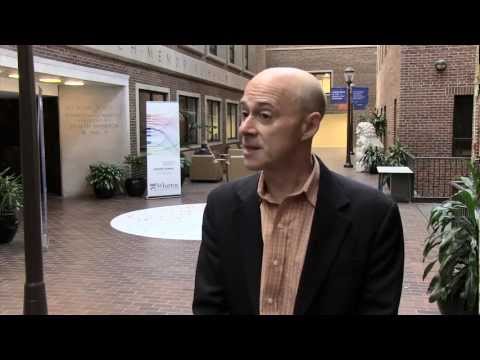
Events in Ukraine are moving swiftly these days, with Crimea's vote to secede followed by evolving reactions from Russia, the U.S. and Europe. Sophia Opatska, CEO of Lviv Business School in Ukraine, discusses what led to the current crisis and what lies ahead for a country now divided.
Read the full story: http://knowledge.wharton.upenn.edu/article/evolving-crisis-ukraine/ 📂 Public Policy
Read the full transcriptHide the full transcript
- we're here today with sfia oasa CEO of Lviv business school in Ukraine Sophia yesterday 97% of the voters in Crimea
- decided they wanted to secede from Ukraine and be annexed by Russia what do you make of
- this well um I don't think that people in the world believe that that was 97% because if you have uh elections and
- the conditions which and pressure uh which was happening yesterday in Crimea and which is happening already for two
- weeks in Crimea I don't think that this is like real world um of people and that
- um that uh people in Crimea uh even many of those who would think that um it's going to be better with Russia that they
- are aware of all the facts that they aware of all the situation and um that they that they take conscious decision
- right now what do you think Russian President Vladimir Putin Putin has on his agenda
- he's going to talk to I think both houses of Parliament tomorrow what is he going to tell
- them well what you know there might be difference between what he's going to tell and what's on his agenda so um I
- don't know what he's going to tell but um speaking about agenda I think that um he did not really like what was
- happening in Ukraine over last months um I think the uh plan was to have um some kind of um um some kind of
- unity between couple of countries like Russia Kazakhstan Belarus and Ukraine economically but also I think that was
- very much about political influence uh because um that was something uh related to
- dictatorship and not real democra y that was something um uh related with um absence of free media and um um of
- violating human rights um so so the whole the whole protest which took place in Ukraine that was really against those
- things but also against corruption which I think all of us are aware um take place not only in Ukraine but Tes takes
- place in Russia um maybe in a little bit different woran but but it still happens
- there um so I think he does not really like what happened in Ukraine and this is um his opportunity to take care that
- those processes do not happen in Russia so what do you think the decision uh after the referendum will mean for
- Ukraine going forward well I think Ukraine in no matter what happens with Crimea needs to
- do very important important economic reforms and reforms overall reforms in in um um uh rule of law uh reforms
- economic reform administrative reforms if we I mean we were not really doing them for 23 years and um one of the
- reasons why people in Crimea would like to go with Russia because they they did not find economic um wealth in Ukraine
- and they they look for uh different opportunity so if if economically Ukraine would be doing differently I
- don't think that would be an issue at all um so no matter what happens with Crimea I think um it's very difficult
- it's very difficult for many people emotionally you know keep doing work and focusing on reforms but this is
- definitely what we need to do in short term because when of of opportunity for Ukraine is very short right now and we
- have to take this uh moment but what do you think that the the new government in
- Kiev ought to do in response to Putin's actions um well it's very important that
- we do not allow the same things in in other Eastern oblas regions in Ukraine um there are some tries
- to um with with people brought from Russia you know waving Russian flag and uh to destabilize situation and I think
- that's very important right now to have the situation stable in the country um we are still I think we as a
- count still look for some diplomatic Solutions and in that sense I think um I think our new government did a great job
- you know uh working with other International peers um and yes Beyond the politics what are the
- economic advantages of Ukraine aligning with Europe as opposed to Russia uh well there were a lot of
- discussions you know what Ukraine will gain with Europe what Ukraine will lose with Europe well maybe for some um uh
- for some Industries it's not very very well to go with Europe and um I think the major issue for ukrainians is that
- going with Europe should create a different system of management in the country it was for us I think uh it was
- uh one of the main reasons how we can get how we can become more transparent country how the rule of law can start
- working um so that people don't have to go to the court and bribe for the for the decision of the Court um which means
- that other counterpart knows from the very beginning that if you don't bribe you don't get the decision we need to
- get rid rid of those issues and for us um we have a lot of questions towards Europe as well I mean it's not that we
- support the way of life 100% you know we have some differences in values and in some sense we um we are um we would like
- to go with some things like we do in Ukraine but still uh the most important is how the
- system is is running the country and and that was the most important thing and again you know know I I I understand
- that some industri might lose but I'm sure that those are not knowledge-based Industries those are most probably last
- century or last two centuries Industries which we need to to reform in any way and this can be also a good uh reason I
- know it's going to be tough I know it's not going to be easy and in short term we might lose but the question is would
- you like to win in short term or in long term so in Moscow today according to press reports these sanctions that the
- US government did impose today were met basically with derision and mockery in fact the Russian stock market I think
- went up assuming that everyone both sides want a diplomatic resolution no one's interested in a military one what
- types of sanctions could the US and EU impose that would be effective but not drive drive both sides into into a
- deeper disagreement uh well I think you have posted the question very in in very
- right way that assuming two sides would like a diplomatic resolution well unfortunately we don't really see that
- the other side would like to have this diplomatic resolution even moreover I think that um there is even more and
- more pressure um how not to resolve it diplomatically but if I were to answer the question how this can how the
- situation can be influenced you know from outside of the world um outside of Ukraine world
- um um I think that has to do something with energy issues um well Russia is uh selling oil selling
- gas and definitely it's one of the major uh sources of income in the country to the to the country so I think if um
- there was a way somehow to influence that would be the way to do it for the energy sector most probably what's what
- do you think is going to happen to the minorities in Crimea the the people who did not want to join rejoin Russia well
- thank you very much for this question because unfortunately uh very often this question is not asked about other
- minorities which are not Russian minority in Crimea um in reality well Russian Russians have the majority uh
- about 50% of of the population in Crimea are Russians but they were not ethnically settled there ethnically were
- Crimean tatars uh who make about 20% and uh they were deported by Stalin and then 23 years ago when Ukraine
- gained independence um they had they got the chance to come back to Crimea there are
- also ukrainians there who make also about 20% and then there are about 10% of other ethnical groups Greeks
- Armenians uh Georgians so very very huge mixture um what will happen to them neither tatars nor ukrainians uh nor
- many other minorities who live in Crimea accept the results of the referendum and
- the whole situation itself uh so unfortunately we will have very many refugees uh in my opinion Crimea will become
- nothing will be happening there so it will be it might be kind of Silent War which can last for very long time like
- it happens in Pria or it happens in uh abazia or North Atia um which means there is kind of no
- war there but nothing H happens no tourists no in no development of infrastructure just you know
- Frozen um the way it is um so so most probably a lot of refugees will move to to Ukraine to to
- Mainland Ukraine if we can say that way uh I know that Western Ukraine already gets a lot of refugees uh especially
- from Crimean tataris um there were a lot of pictures already uh quite uh from Crimea which
- are quite offensive to creman tatars and um I think that in reality one of the major reasons why Ukraine is so uh
- focusing on the situation in Crimea and tries to keep Crimea um with with the whole Ukraine sovereignity is also
- because not only ukrainians but uh Crimean tatars who don't have other land to live could you explain a little bit
- what the impact of the agitation in Ukraine has been on the Lviv Business School uh
- and and how how how has it affected you and what do you think is going to happen
- going forward of the situation how it influenced the school uh well it well our University it
- it was always I I should talk not only for the school but for the University overall Ukrainian Catholic University we
- always have been in very proest Western position in the education as well so for
- this reason we had quite a lot of um uh difficulties with former minister of Education who was very Pro Russian and
- uh who was putting a lot of pressure on our institution and he was trying to control as much as possible
- universities um in what sort of ways was that control exercised well well for example we are we're
- completely private institution and we don't get the penny from the state but in a way still we get a lot of um uh
- rules a lot of uh um from Ministry of Education uh they provide accreditation for example it's not um it's not the um
- independent body or Association providing accreditation to the universities but it is Ministry of
- Education so you have to go for license there you have to go for accreditation you have to um the books have to be
- under um the signature of Ministry of Education so there are a lot a lot there was a lot of controlled things uh plus
- there was a huge corruption in the Ministry of Education for example all institutions had to put down some um uh
- some database system and they had to buy it from some relative of minister of Education company so so the whole system
- is is very is very corrupt and very uh interdependent and our institution was always honestly saying that we believe
- that this should be according this International standards this should be according to these best practices in
- Western countries um and of course this was not liked very much um so uh from the very very first day for students and
- for the faculty body it was not the choice what we should do um I think a lot of things were run by students a lot
- of initiatives were run by students and um Administration and um faculty members
- were always supportive uh a lot of people as individuals participated in the protest um well um yes we had
- somehow to to to change the way we are working you know sometimes uh we are doing right now some social things which
- are not directly related to our work uh but at the same time I think one of still important rool which we have right
- now is to build the community I think the university and the Business School itself has very high level of trust from
- business community and from Community overall and it's not only about leiv it's about cave as well um it was always
- very transparent institution and um this level of trust which we have um it it um
- you know we we could see it in in very different initiativ which we started and how they were supported and people very
- often right now they they like to come for our events though that the time is not uh easy but they like to come and to
- see how other people think what they think to discuss to you know just to be together what is the outlook for uh us
- and European companies who do business in Ukraine or or want to do business in Ukraine what what can they look forward
- to in the next year year uh well last years were quite difficult we did not really were getting
- investments in Ukraine um for the same reasons you cannot plan longterm you cannot um uh you have to deal with uh a
- lot of bureaucratic issues so one of the um very important reforms which we need
- to do is deregulate we need to create environment for Innovations entrepreneurship
- and uh this is one of the first initiatives which our Min uh Ministry of Economics is right now focusing on um
- also from our business school a lot of alumni are involved in the regional projects of D regulation so that
- business people are telling from business side how this reform should be done in a way that they can run business
- in a transparent way but at the same time that it's not controlled completely um by um government um in a way
- International companies were in better situation because many Ukrainian companies that they had additional
- challenge um they did not have very good environment for doing business but at the same time if you were doing business
- it could have been taken away um just you you know companies were offered amount of money and either you sell for
- this amount of money which is half of the price of the company or you lose it so there was a lot of pressure on
- Ukrainian companies as well so 3 months ago could you ever have anticipated where you would be and and
- how far you would have come and is the euphoria that you all must have felt several weeks ago month ago is that
- sustainable is that still there is there still a sense that things will move forward and get
- better if you would ask me in October is it possible that people in this country after not
- fulfilled expectations of orange Revolution would be able to get out of the streets I would not believe you I
- mean I I would say no definitely no everybody were you know I would say had enough of the what is going on in the
- country but I don't think people really believed but what happened is that in 23
- years there was um no situation that then people were injured or or killed you know so be there was everything in a
- peaceful manner done in Ukraine um and and that was a huge shift for many people that that such things
- could happen in the country and um I I would never say that it would you know it comes sometimes we think okay we
- cannot it cannot be more than that but then there is another month and and it's more more than
- that um about aphia I don't think we had aphia this time I mean we were happy that um we were happy that it's almost
- ended though now we see that it did not end but um because so many people were lost because so many people died and
- those people were just amongst us you know it's it's it was it was very difficult emotionally
- and we still live through this and day after day and because of that I think right now we cannot give up we just
- cannot give up we every time we remember how many people lost their lives and we
- think was it worth doing that so what we have to be different you know um I think
- one thing which every Ukrainian should promise to to himself to his it cannot be the way how it was for months ago and
- I I have to do whatever I can do at my place it's my obligation it's not obligation or responsibility of the
- president of the country it's not responsibility of prime minister or the cabinet of ministers it's responsibility
- of every single Ukrainian or citizen of Ukraine to do something to change this country otherwise it was not worth that
- maybe one last thing uh what based on the experience of the past few months what lessons in leadership do you think
- you have have learned that you have may not have learned before it's very interesting uh because
- um during last three four months you know people people were always looking for some
- leader but maybe because our opposition leaders were a little bit undecisive we saw other way of
- leadership um this we saw this um opportunity and this possibility when every person can take a leading role so
- due to that due to self organization so many new interesting initiatives evolved
- and people were supporting them and uh people were engaging in different initiatives and right now it's still
- continues because we uh again we realize that it's not anymore a job only of the
- government you know people people take the initiative um just to give you an example you know right now we need to
- have a lot of new faces in in the in the public service in public administration
- we realized that we need a lot of new young people going there and changing the system so we as a school got a
- request you have to start some programs in public administration something we have not been thinking about a month ago
- and right now you know when we say that we would like to start a free month modular program in one month you know it
- looks a little bit unrealistic but at the same time if not us then who that it we just we have to to we have to respond
- to the need and I think that's what people learn learn to do and that's Al that's one of the way of
- leadership I think another another understanding of leadership is that um it's it's about leadership but it's it's
- about all as human beings I think that's something what we really as ukrainians started to realize I mean we started to
- communicate before all these events people were living in their small silos you know business people communicating
- with business people church with church NOS with NOS um you know according to Social
- statuses all those um Silas were maybe meeting but not talking too much and and still people were perceived very much by
- social position or or their professional position I think what happened at maidan
- people you did not really know who was there and there were very rich people there people who are on on on retire
- retired already uh people who have their companies or who don't have their companies who do different professions
- and you did not really care who they are you were just grateful that they are support all of that that you have same
- values and people were talking to each other about important things um no matter which social or professional
- status you have so we we we started to notice each other as human beings first of all not not according to um regali
- which we have and I think that's I think that's the major shift in in our society
- as Society great well thank you so much for joining us we'll look forward to to following what happens thank you very
- much and thanks a lot I hope it will go positive way thank you thank you [Music]
Brief Summary
Sophia Oasa discusses Crimea's referendum, Ukraine's reforms, and leadership lessons from recent protests.
Key points
- Crimea's Referendum Results. 97% of voters in Crimea chose to secede from Ukraine, raising global skepticism.
- Ukraine's Economic Reforms. Ukraine must implement crucial economic reforms regardless of Crimea's fate.
- Leadership Lessons from Ukraine. The recent turmoil has shifted perceptions of leadership, emphasizing individual initiative.
Episode highlights
- Ukraine's Economic ReformsUkraine must implement crucial economic reforms regardless of Crimea's fate.“Ukraine needs to do very important economic reforms.”2:56Mar 18, 2014
- Leadership Lessons from UkraineThe recent turmoil has shifted perceptions of leadership, emphasizing individual initiative.“Every person can take a leading role now.”20:31Mar 18, 2014
Tension
65/ 100Some tension