Sachin Pilot: 14th Wharton India Economic Forum
Ask about Knowledge at Wharton
Episode Description
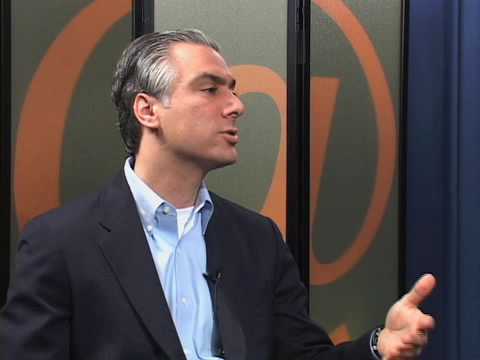
Interview with Sachin Pilot, Minister of State, Ministry of Communications and Information Technology, Government of India at the 14th Wharton India Economic Forum.
Read the full transcriptHide the full transcript
- [Music] uh welcome to knowledge Reon glad to have you here uh just wanted to start
- off by asking you so what is a minister of State for communication and it2 what are your responsibilities well I'm a
- minister in the department and um we have three uh government of India departments in this ministry which is uh
- the Telecom Department then the information technology department and the department of post so these are the
- three areas that we look after in this ministry okay so what kind of things are you responsible for well we look at uh
- like I said all those three areas of work um but primarily for the Telecom sector it's uh mobile services landline
- Services um any form of communication in India uh it comes under this ministry and for the it sector it's uh the
- software uh the hardware manufacturing uh all these soft it enabled software Services BPO so on so forth anything to
- do with electronics um and internet and with uh Hardware of uh it okay uh so you
- went from General Motors to the Wharton business school to politics and then you
- won your first election when you were 26 years old so tell us about the transition and the lessons you may have
- learned uh from those transition when I look back it seems to have uh happened quite on its own but uh it is a fact
- that once I did my MBA at Barton I I went back to India and I took some time out to think uh what it is that I should
- be doing and I said to myself all that I've seen you know growing up in a family that had politicians in it all my
- experiences all what I've learned what I'd seen across in India traveling so on so forth I thought all of those could be
- used on a platform which is politics and be much more effective cuz I'd worked in
- the private sector I'd got this wonderful degree from won and uh I really wanted to put it to bet you
- choose uh therefore after a lot of thought I decided to run for elections and people were kind enough to have
- elected me u in 2004 For the First Time MH so what kind of strategies from your business school days are you uh using to
- solve problems that you Fe face today but I think good education uh always holds you in good stead uh especially
- from a college and university won and upen I think have really added uh to my worldview and how I've seen uh various
- things develop and the many challenges that we face because remember most of the challenges today are quite Global in
- nature and one one has to have a perspective that you know where the horizons are very wide and you're able
- to understand the issues so that you are best able to deal with it uh and best suited for the kind of policies that you
- want to initiate so I think the experience and the education I've had um especially with the faculty and the kind
- of exposur I had at won um I think have made me more well prepared to take on U you know the challenges especially in
- the in the economic Arena I think they've been quite beneficial and uh I think education of any sort helps you in
- policym whether you're a lawyer or doctor engineer uh but I think an MBA degree um has been very very useful to
- me yeah I I read somewhere that you spent a night in a remote Village in rajastan you slept on a wooden cart and
- had uh your meals with the Villagers what prompted you to do that and what did you learn from it well I while
- growing up I had always been doing it with my father when he was a member of Parliament and traveling across India
- because ultimately those are the people that I represent and I think by being with them spending time with them and
- you know understanding more of their sorrows and joys and being uh a partner to them uh I think it's very very
- important because in India the politics is U is it's very emotional it's very physical you know you have to be there
- with the people that elect you and uh I think a lot of people a lot of my peers a lot of other politicians do that uh it
- shouldn't really come out as a surprise as to why someone did that I think it's it's a very natural way of being
- Associated and being able to relate to the people uh who have put you where you are okay um I also read that you had
- said that India must Bridge the digital divide so that the other India can be the part of the growth story so can you
- tell us what prompted you to launch that project well you see in India we've had
- tremendous growth in the last 15 years uh but the Endeavor of the government and I also personally believe that we
- have to make sure that the goods and services of the government must be distributed equitably I think every
- Indian has a right to be a part of the uh Information Technology Revolution that we've had in the last 15 years it
- should not remain isolated to just the big Metro cities of Delhi Mumbai and Kolkata I think people in smaller towns
- in tier three tier four cities in smaller Villages have as much of a right to participate in India's growth story
- and how we can do that uh because I think uh the internet the information technology uh the Telecom Services can
- be a great bridge between people whether they come from urban areas or rural areas whether they're rich or poor young
- or old I think all these um divisions and all these fault lines can be transcended if you use technology and
- put it to good use and it and I think uh in the coming years we'll see more of this the it has to be used as a catalyst
- to be able to transform and change people's lives especially ones who don't have the resources uh to you know get
- access to that kind of services so the government is really working hard to making sure that there is no divide uh
- especially the digital div you know by giving people more access to Information Technology uh we hope we'll be able to
- achieve that so what kind of challenges are you facing in the project I mean India being the way it is with the lack
- of in infrastructure in some places and we've heard about the last mile issue as
- well so what kind of challenges are you facing but if you go back and look at 1995 uh our teley density of T density
- basically is number of phone lines per 100 people it was about 1.5% because we were dependent on wires being dug up or
- put out so that people could get Telephone Connections once Wireless technology came in and
- mobile phones penetrated the Indian market today we are adding about 15 to 18 million mobile subscribers a month we
- have about 550 mobile users in India so it is really leap frogged India's connectivity because of the wireless uh
- mobile technology coming into India I think the same is about to happen uh for the it sector where we we will have
- Broadband access to all villages in India in the next 3 years um because once you're able to create that
- infrastructure without the physical infrastructure being present by Wireless Technologies by microwave Technologies I
- think that will really help us U uh surmount the challenges that you mentioned about lack of infrastructure
- uh the second point I'd like to make is that India uh is a country which has 22 official languages so Hindi and English
- are dominant languages but almost half of the nation does not speak Hindi or English so we have from my Ministry uh
- try to give uh software and fonts free download uh of all these 20 languages is so that people are who speak Udu or
- banga or Canada or Cindi or guki they are also able to take advantage of having a PC and having you know
- information available because if you can't read off the screen it's really not of much use that's right uh let me
- switch back to the digital divide question for a second so you have two very disparate audiences that you're
- trying to address sort of the halves and the halves Nots so what kind of strategies are you using to get Buy in
- so that you can move forward in this I think the ones that you talk about the halves are the ones who uh have enough
- disposable income who have uh Mobility who live in large cities or or large towns um I think there the market forces
- will help deliver those Services there's enough private sector participation for
- us to meet our objectives it's the ones that have been left out of this uh those
- are the areas that we have to focus on so we have deployed uh enough funds our policym our budgeting our fund
- allocation our programs are quite targeted to those segments of our society uh which have not really you
- know seen the fruits of the economic growth that we've witnessed in the last decade and I can speak for this ministry
- that I working in the Telecom Ministry there are Villages that are sparely populated so uh private companies uh
- will only go to areas where there's profit to be made they will not go into rural areas rural parts of India that's
- why the Indian government has now decided to put up mobile towers and give the backbone infrastructure to areas
- which has population uh in villages less than 500 for example in areas like the Northeast part of India the hilly
- terrain areas the tribal areas the really poorer States those are the areas where the private operators you know
- really are not that comfortable going in but I think we as government have to ensure that even those people have a
- right to be uh you know a part of the Telecom Revolution and to that end we have got this fund which is more than $4
- billion and all of that money is going to be used to make sure that we ensure connectivity in bordering parts of our
- country in the desert areas in the you know the tribal areas um and so on so forth so um it obviously the private
- sector is important uh to the success of any uh Enterprise anywhere so I don't know if you've seen the world bank's
- report on doing business and said that uh the number of processes you need to start a business takes about 30 days in
- India while it's about 6 days in the US so what would be this one thing that you
- want to do that will spur Innovation and growth uh using that as a platform but I
- do think that uh it does take longer to establish businesses in India there are other uh hindrances like mentioned the
- infrastructure uh the deficiency of power and you know Road Network Etc but I can assure you that the government is
- fully aware of that fact and we are working quite aggressively ensuring that uh we are able to give the airports
- ports Railway Network the highway Network as as well as reforming our processes so that people don't face the
- kind of troubles uh that you had mentioned uh it's an ongoing process I think we've had some success uh but I
- think more needs to be done but we very well aware of it but we do have to work with multiple agencies so there's the
- central government the federal government then you have the state governments and then you have the local
- body governments so there has to be you know uh compliance of everybody uh but you know we are making sure that our
- bureaucracy and our Administration uh gets leaner and you know more efficient in the time to come uh you said in a
- recent interview uh I guess that you know if India is more wired then India would have fewer problems can you
- elaborate on that point a little bit well I think um a a lot of the issues that people have in rural India uh are
- more to do with getting U certifications or getting paperwork done or running from Pillar To Post to get you know a
- piece of document uh that really belongs to them that leads to a lot of um uh you
- know corruption at the lower levels and a lot of delays Etc I also think that people have in India many ethnicities
- many languages many cultural differences U you know different geographies different climates Etc but if you're
- able to get everybody to participate in the um in the it sector and really use the the digital mode to communicate and
- to meet and interact with each other I think some of these differences that people have tried to uh Tred to really
- uh work on I think they will also reede so a more connected India a more educated India a more exposed and uh uh
- an India that's more aware uh of the uh services that are being available uh being made available on the digitized
- mode I think will certainly change the way governance happens and if you're able to work with the government and
- have like you mentioned again the last mild delivery uh it's very very important that we partner with uh
- private entrepreneurs with NOS with civil society it has to be a collaborative effort I think no single
- government can claim to deliver all the services so we have to partner with people who are also equal
- stakeholders you had um so it's widely accepted I guess now that the Telecom sector success was a huge deal in India
- and then it has done it has made available to a lot of people the services that they ordinarily wouldn't
- have been able to get so what are the factors you think that contributed to that success when we first started off
- with Mobile telepon in India in early '90s it was uh prohibitively expensive the handsets were expensive the call
- rates were very expensive uh and I'm happy to say today that we have one of the cheapest call rates in the world our
- call rates average between 1 to two cents us cents a minute uh which is the lowest in the world um the the handsets
- have become much cheaper because the economies scale have made sure that there's enough competition and um even
- though the margins are less but it's a volume business now so people have really taken to mobile telephoning and
- our teley density today is uh more than 50% as opposed to 1.5% in 95 so there's been a huge leap frog in our
- connectivity through the mobile telephones uh I think because of the call rates going down so low because of
- the availability of the infrastructure and people realizing how um how mobile connectivity is able to make their
- businesses their interactions much more effective and much more um uh efficient I think people have realized that so
- they've taken on to it uh very keenly so let me switch Gees for a second so where
- and how do you draw your entrepreneurial inspiration well I don't think I'm that
- much of an entrepreneur but I I do think that uh if you have the initiative and if you uh if you let people work
- together there's enough creativity in India enough young people have so much to offer of they have the capacity and
- the skill sets to uh perform and outbeat anybody and also the kind of self-confidence that I witnessed uh
- young Indians have today uh I think it's nowhere to be seen uh so that's a real uh advantage and a real bonus for a
- young country to have a Workforce that's talented that's committed and um you know I think there's nothing lacking
- except that we have to give the young people in India a platform and a Direction so that they can go in the
- right way so um what is the one so what is the one Untold success story that nobody's talking about from
- India well I think there are a lot of successes uh as also as um a lot of challenges we face but in the last five
- or six years we've been able to you know really focus on the priorities uh that the Indian people wanted us to focus on
- so we've had uh a law which is known as a right to Information Act where people have a right to know of all transactions
- of the government it's made the whole governance of India very open and transparent we've had um a compulsory in
- uh employment guarantee scheme in India the first of his kind anywhere in the world that you know every able-bodied
- person in one family one person will get 100 days of job guaranteed by law I think these are fundamental pathbreaking
- legislation that we've passed in our government uh we working on a food security bill that ensures uh food
- security for all the Indian citizens um we've got uh right to education bill pass so these are basic basic things
- that you know uh should have been done some time ago but you know India never had the wealth and the economic strength
- to implement some of these hugely expensive programs so we have affirmative programs we have the social
- welfare programs um and our budget last year uh budget this year that's uh going
- to be implemented is in the tune of a quarter of a trillion dollars just the government's budget and uh a large
- portion of that is dedicated to putting money into the social sector like education healthare Sanitation Rural
- Road network connectivity and so on so forth so uh looking back at the successes in the Telecom sector uh in
- your mind what does the Telecom sector look like in 2015 and how do you get there oh gosh that's difficult to say
- because uh the Telecom sector changes every month uh if not every week um so I think the landscape uh looks pretty
- bright to me I think there's enough competition uh we still have uh a hunger for connectivity it'll go on for a few
- years um but the Challen like I said to you earlier is that the urban connectivity Urban tele density is 140%
- that means there 140 phone lines for 100 people in Delhi Kolkata Bombay but in the rural areas it's 20% so there's a
- mismatch there but we need to fix that that's why even the private operators now realize that there's money to be
- made in in the rural market so they're all after having saturated the pig cities are now pushing towards the
- smaller towns and Villages uh which again I think is a good thing so I think the Indian Telecom sector is B to grow
- uh we'll have many more value added Services we're looking at ways of exploring mobile banking for example uh
- we have a 3G auctions going on right now then you'll have you know video conferencing live television uh all of
- those things uh were never thought of 10 years ago it's an everchanging world and
- uh I think it will only uh bear fruits for the Indian society and the Indian economy yeah on behalf of knowledge at
- Barton I want to thank you for spending time with us today thank you for having me e
Brief Summary
The Minister discusses India's digital divide, telecom growth, and strategies for equitable access to technology.
Key points
- Education's Role in Politics. Education is crucial for effective policymaking and understanding global challenges.
- Bridging the Digital Divide. India's government aims to ensure equitable access to technology across urban and rural areas.
- Telecom Sector Transformation. The Indian telecom sector has seen a dramatic increase in connectivity and affordability.
Episode highlights
- Education's Role in PoliticsEducation is crucial for effective policymaking and understanding global challenges.“I think education of any sort helps you in policymaking.”3:03Apr 8, 2010
- Bridging the Digital DivideIndia's government aims to ensure equitable access to technology across urban and rural areas.“Every Indian has a right to be part of the IT revolution.”4:32Apr 8, 2010
- Telecom Sector TransformationThe Indian telecom sector has seen a dramatic increase in connectivity and affordability.“We have one of the cheapest call rates in the world.”12:20Apr 8, 2010
Episode quotes
Tension
40/ 100Low tension