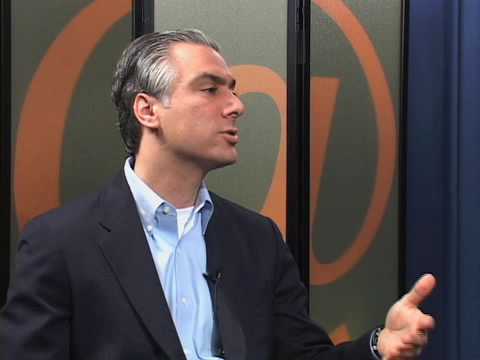
Caja Navarra CEO Enrique Goni: 'Banks Must Treat Customers as Citizens'
Ask about Knowledge at Wharton
Episode Description
Banks have had a difficult time in the recent global economic crisis. Not only have some closed shop and others have had to be bailed out by governments, but also their image has taken a bad beating. This will have serious consequences in the long term, many analysts say. The way forward is to empower the bank customer, says Enrique Goni, CEO of Caja Navarra, a savings bank in Spain, in this conversation with Wharton management professor Mauro F. Guillen.
Read the full transcriptHide the full transcript
- [Music] [Music] we have the pleasure today of having with us Enrique G who is the uh
- president of uh kaha Navara a Savings Bank in Spain and also uh responsible for industrial Investments at kaisa bank
- which is one of the largest uh Savings Banks in all of Europe in fact uh Mr G thank you so much for coming thanks
- thanks a lot my blessure uh so uh given your you know very long experience in the banking sector in a key European
- economy um I would like to begin by asking you uh a very very general question which I think a lot of people
- are wondering about which is what are the main challenges that the banking sector is facing nowadays uh if you had
- to choose two or three which ones do you think are the ones that uh are uh at the
- top of the list uh in the minds of uh Bankers around the world these days well first of all well thank you very much
- Mao this my pleasure to be here um answering first of all uh of course getting more more more and more Capital
- raising Capital second from my point of view is how to find Finance the the new the new
- requirements for it uh Technology Innovation and third one from theological point of view is how to
- rebuild the peace with customers and with Society in general how to get once again the
- confidence and stable confidence between the and Society between the banks and the society yes
- okay so these are the three the three main challenges facing Banks today uh putting aside at least for for a second
- uh uh the need for more Capital uh you mentioned as the second Big Challenge uh finding the the resources to invest in
- technology and uh and in Innovation which specific areas uh do you think banks are in most need of uh investing
- in uh let's say over the next three or five years yeah well first of all of course uh Mobile
- Banking uh second could be how to to make ouring but first of all to compete better uh in the markets Mobile Banking
- how to resolve this and uh thinking about the European and the Spanish situation uh what new models or what new
- experiences uh uh would you say are the most important taking place right now in
- the area of Mobile Banking well the immigration from from the cards uh to the phones to the cellular we have uh
- some virtuous examples in the worldwide and uh and European banking have the the
- whole attention and the have put the Isis in this okay so it's replacing old forms of payment for for new forms of of
- payment that's right uh do you think that uh the uh uh social virtual or digital social networks uh which of
- course people uh you know are increasingly using through their mobile phones do you think banks can benefit
- from this new social technology which is social networks and uh you know how uh people's behavior are being is being
- affected by what their connected others are doing do you think social networks digital social networks will have an
- impact on banking yeah yeah yeah I'm I'm sure I'm sure uh from from the point of
- view of the banking activity from the point of view of the bankers uh to use the mobile instead of
- the conventional other conventional payments models introducing us a high potential in in efficiency second The
- Experience tell us that uh customer uh use 20% more in the through the mobile than with the uh for example the credit
- C or the or the Plastics so it's more uh much more business and less uh less expenses MH so
- Mobile Banking is going to make uh perhaps Banks more profitable yeah than of course of course of course that is
- the idea uh which uh countries in the world um do you think are more advanced uh in terms of the implementation of
- Mobile Banking well we have two two very clear examples uh one is uh Japan uh Japan is is the pilot the the
- housing pilot or the model and uh Japan is showing us very great examples of getting new efficiency ratios and how
- people is increasing their their operation and the bation with the bank and in in in in other world and in in
- other geography it could be Kenya Kenya uh in the top of the progress Japan but uh in the new new
- emergence in Africa Kenya okay so those would be the uh the most the places to uh to observe to emulate under my point
- of view yeah that's right okay and uh uh at your own uh Bank MH um what has been
- the most significant challenge that you faced in terms of using these new mobile
- technologies uh for conducting business what has been the most important uh obstacle or challenge well uh two two
- challenge uh one one is not from my point of view is not problematic is how to train the organization and how to
- train the uh the the people the customers but I think I think this this is going to be easy second is how to uh
- deal with uh the it how to to deal with the it companies because there are a lot
- of business to share and what par is in this size and what par is in the size of
- the bank of course so are you suggesting that those big uh benefits or profits that you were referring to a second ago
- uh may not only go to the banks they may also go to the it providers or maybe the
- telecom companies for sure for sure for sure they are going to they are going to
- get a relevant part part of the of the profit they are going to increase the use they are going to increase the their
- turnover uh so uh they are going to make much more profitable or their Investments uh so how to manage with
- this and how to deal and how to negotiate it what part of this uh is going to be support by the banking
- Banker Bank activity and what is going to be support by the it or telecom companies and what
- part of the turnover can be share uh are the the two deals for the managers okay and uh what do you think
- should Banks do in order to ensure that they get a uh you know sufficient uh share or
- part of those profits I mean are there one or two things that Banks should definitely do in order to protect
- their own share of the profits uh that may be created by Mobile Banking two ideas um first of all first
- of all it's very evident but uh first of all how to uh protect theel uh both self
- that uh you are going to be a telecom company and not a bank and I'm going to be a
- bank how how I'm going to be in my in my site and how are you going going to be in your because we are going to build
- something together very very uh relevant and uh that is going to receive the 70%
- of the whole transaction worldwide and second second who is going to invest second who is going to invest
- who's going to put the money right make who's going to do with the money uh in the
- infrastructures and uh for sure in the development yeah and uh research on development do you think banks should
- establish um relationships with several telecommunications operators or providers uh that's one possibility or
- should they uh instead Focus their attention on just one of them and uh proceed in that way you know in order to
- implement a uh Mobile Banking applications what what is better from the point of view of the bank if for a
- long-term relationship the second the second but uh but but but I'm sure that uh that is a world that is open and so
- the first uh steps everybody is going to to talk with everybody but but uh I I think that uh finally you can uh you can
- uh be much more competitive through a Widing a a good a good a good marriage instead of having uh several relations
- okay okay now you mentioned as a third very important uh challenge facing Banks today uh the uh addressing the one of
- the biggest uh problems that banks have uh uh seen since the since the crisis which is the the the loss of confidence
- on the part of uh customers and uh and Regulators of course and uh more broadly society as a whole so banks have
- essentially lost uh quite a bit of Faith they have lost uh you know trust uh they have a big
- deficit not just in terms of capital but also in terms of confidence so what do you think uh uh you know should Banks do
- uh over the next uh you know two years or five years in order to rebuild that uh
- confidence well um for sure there are many many ways and different respon different answers
- um I think I think that uh one that have in count the full transparency uh promote the
- participation and uh and uh try to consider the customer or the client like something
- more than this like uh something like a citizen uh could be a a good way I think I think that the past have
- show us uh a lot of things that we could not repeat this the the crisis of confidence
- is a crisis uh first of all of transparency uh and and it's very very very difficult to get the the virtues of
- transparency if there are not participation I can show you uh an account and I can show you which has the
- secrets of these accounts but if you are not interested in this I can be very transparent but it doesn't mind
- so be transparent is good but it's not enough you have to promote the real interest uh of the customers in the
- bank uh because there are something in need for them yes of course but because they have a
- role better and higher that be customer so they have new politician economics or social rights
- for example I think this could be and this could be the message of the new ways of the of the new time uh people
- people don't want to feel like a subet uh in a in a company people people want to to feel they have uh something
- relevant to to say and something relevant to share with the shareholders mhm so I've seen you say in the past
- that you think that the clever companies of the future should be like republics yeah uh with citizens and uh and these
- citizens of course include not only customers but also suppliers and that they have rights yeah uh so could you
- explain a little bit more how do you think this model uh you know should work what are the different components of
- this model of the the bank right as a republic right as opposed to just uh simply as a company that tries to make
- money yeah but it could be a bank it could be another company the question this the question
- is um having a look at the history we have an example of of free citizens that want to be much more than
- anything citizens it was Roman Republic well the Romans they have a lot of troubles and mistakes etc etc etc but
- they build something that during 20 centuries it was the relevant and the the the core of the
- world what what was the beginning of this the beginning of this was created for from the well something
- like a very old condition of citizeness something brilliant something that is demanding for everybody well this is an
- example put it into into the companies into a bank how to how to to design a bank who is going to be love
- it love it I said by the customers well the only way the only way is if they have not only um participation a
- cosmetic participation because you answer uh you you make some questions about the product the quality of the
- services Etc no no no it's because they are they are very close the KE the key decisions they want to know and they
- want to to have the a participation in space in which is the price policy why uh this uh
- guarantees uh how how they can uh concentrated much more products have a low rate I I mean I mean there are many
- ways to put your interest as close as the bank or are the company that you even go
- in defense of this brand and this is sure sure sure uh interest and uh under my point of view
- the key question is how to open the ownership and the property rights and share is with the customer
- having having in count that the property right the shareholders they always have
- to uh something like uh two two basic rights first of all having the the the capital the capital gains and second
- having the accounts how you organize a company but in the middle of this you can go
- ahead and put uh the new formulas like social marketing CSR etc etc uh go ahead of
- this and open the space to share opinions and to share policies so what do you think shareholders of a bank uh
- would want to support this kind of comprehensive uh relationship that you're talking about where customers
- perhaps even suppliers participate uh in uh in the bank why would shareholders want to go shareholders want
- shareholders want to to to to increase their capital gains and so if this if this work uh work on in this way uh for
- sure the shareholders will be very very strongly glad happy so you're essentially
- predicting that Banks or other types of companies that succeed at implementing a
- model such as this will gain a competitive advantage over other Banks or other companies yes I think thinks I
- well I think so not because of the banking industry only I said that this is a message of the new time uh new time
- is citizeness New time is you have the accet of the full information through the technology so new time is uh the
- word of the companies couldn't be a closed War okay in your own Savings Bank k you
- have implemented a model that follows uh these principles yeah could you just explain so that we see the relationship
- between the third challenge about uh you know confidence its relationship to the
- second challenge with those technology what role does technology play in your bank yeah uh when it comes to uh helping
- customers participate yeah in the bank well uh this is a capital a capital role a fundamental role is impossible is
- impossible to promote this new kind of relationship if you don't have the basis of an a strong technology and an open by
- the way an open model of technology to integrated this new um data of relationship yes and and and and
- fortunately we have it and uh and we could we could did it so you mentioned that in information Technologies uh are
- very important mhm uh when it comes to implementing a system in which customers can participate as Citizens in this
- Republic right so what specifically does the it system need to do uh so that uh customers can
- participate you have to you have to have as minimum you have to have a strong base of uh data
- warehouse and you have to to have spec techniques um abilities in data mining those two those two are the the
- the basis and for sure it's much better if you have uh personal accountability to every customer you
- know how much are you earning with a customer Etc so you need to know how much money the bank is making with each
- customer and you need to be able to communicate to each customer yeah of course how much money is been made and
- then what is we did it right and in your uh system what is the customer supposed
- to do with that information uh can the customer take action once he or she knows how much the bank yeah is uh the
- sense the S the sense of sending this information is because we recognize uh the right in the customer of knowing
- how much the bank is earning with the the mortgage of the credit card Etc we recognize the the the right to allocate
- a part of this earnings in the social or Community per they want okay so in other
- words instead of the bank making the decision as to what uh corporate social responsibility initiatives to do or to
- undertake what you're doing is you're delegating that to the customer the customer then can choose yeah the bank
- has made $50 with me yeah then I get to say uh a fraction of that money uh how it is spent on CSR activties yeah my
- point and summarizing who are which are the companies that are cled be because they
- rebild the relationship as republics is is the companies that empower the customers soaring is is give power to
- the the customer and Power customers upgrade their conditions mhm mhm yeah give them additional rights and in your
- experience uh do customers that are given these rights that are empowered do they stay more with the bank uh do they
- uh increase their loyalty to the bank yeah yeah yeah of course of course of course the increase the the the un
- loyality uh rate decrease from 12 till 8 this is the turnover in yes in four years in four years but this is this is
- much more relevant if you consider you have in count that sector the average in the sector were
- increasing so so it's very it's very clear this is an example uh how about uh for example if a company
- recognize their customers the right to have an opinion about the bonuses of the managers or the team are you doing
- that in your bank yes we we did it how does that system work so customers determine how much money Executives like
- yourself yeah my like myself yes yes yes and how does it work the system well uh
- this work this work because we made a very big random survey through even 40 ,000 customers in a year asking them
- questions like uh and and and and asking them question like for example do you think we are going by you in the bad
- moments or only the good ones do you think we are managing a language you can understand or are
- incomprensible in comprensible juron to remind that we are powerful that you know do you think um we believe
- believe uh we trust in people and we spread of mission what do you think we are are as
- interested in you as in your money please rank us from 0 to 10 MH and the board of
- directors every year they rank a a classification for for example we need a seven and two years
- we get the seven but one year it was 60. 6.3 I know and I lose lost 30% of my bonus so those this was real fire so
- those customer ratings essentially yeah at least in part determine the bonuses of Executives at bank yeah why not why
- not it is a republic yeah and and it's good for the shareholder because you are off in good turnover good
- payout uh good uh efficiency Etc and you are giving the the owners of the company
- that you are building a longterm relationship and this is not uh how how to how to offer your shares to be
- invested if your customers are disappointed with you how can a responsible chief executive
- officer make make this it's impossible so shareholders this is not shareholders can think this is my right who is going
- to say if my chief executive is going to get 100% of the bonus this is my right I don't want to
- share it but the question is why not why not could you also let us know what are
- the implications uh of of this uh model of the bank as a as a republic for the employees of the bank
- mhm well first of all first of all employees didn't believe this this this can be
- through um but uh a very relevant part of them they feel like uh authentic supporters
- they feel that this is something like we're going to do good business by doing good
- things so we are going to we are going to go to to do uh to do it well by doing the good the good things so um this
- represent the opportunity to not only be bunker or be in another company this give you the the the the
- opportunity to feel much more than a briak in the life in the in the in in the in the worldall of a company no you
- are you are a promoter of a new model of society MH where companies are real citizens and they promote a new kind of
- citizens of citizenship and so and so for the employees it it represent a challenge
- because how how to be in one hand how to say no and how to say no but I'm going to remain you you have right
- no no how to say no I'm very credible and continue be confidence in the other hand then you
- need you need uh to believe in this and you need to uh want uh and to trust that this is not
- because is only an strategy is an strategy of course this is uh something that is is good is good for you and is
- good for the society okay okay well Mr G thank you so much uh for being with us uh today and uh we wish you a lots of
- success at your bank okay thank you thanks a lot [Music]
Brief Summary
Enrique G discusses banking challenges, mobile technology, and rebuilding trust with customers through transparency and participation.
Key points
- Challenges Facing the Banking Sector. Enrique G discusses the top challenges banks face today, including capital and technology.
- The Importance of Mobile Banking. Mobile banking is reshaping the banking landscape, enhancing efficiency and profitability.
- Rebuilding Customer Confidence. Mr. G emphasizes the need for transparency and customer participation to regain trust.
- Trust and Strategy. A discussion on the importance of belief in strategies for personal and societal benefit.
- Gratitude and Farewell. Closing remarks filled with appreciation and well wishes.
Episode highlights
- Challenges Facing the Banking SectorEnrique G discusses the top challenges banks face today, including capital and technology.“What are the main challenges that the banking sector is facing nowadays?”0:56Dec 17, 2012
- The Importance of Mobile BankingMobile banking is reshaping the banking landscape, enhancing efficiency and profitability.“Mobile Banking is going to make Banks more profitable.”4:42Dec 17, 2012
- Rebuilding Customer ConfidenceMr. G emphasizes the need for transparency and customer participation to regain trust.“The crisis of confidence is a crisis of transparency.”11:38Dec 17, 2012
- Trust and StrategyA discussion on the importance of belief in strategies for personal and societal benefit.“You need to believe in this.”27:56Dec 17, 2012
- Gratitude and FarewellClosing remarks filled with appreciation and well wishes.“Thank you so much for being with us.”28:17Dec 17, 2012
Tension
40/ 100Low tension